The back story
Zemun’s frontier story: the quarantine, the hospital and the park
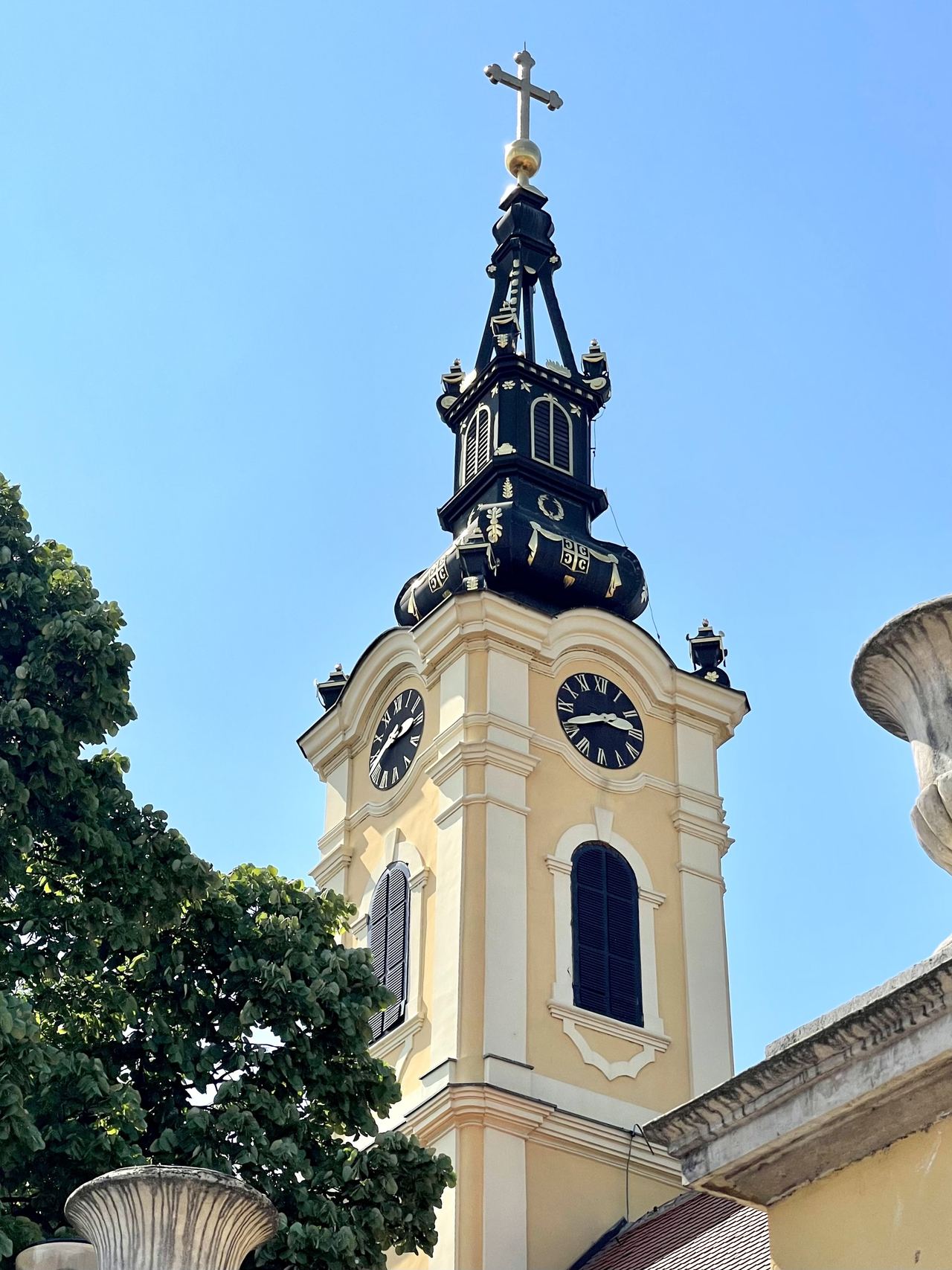
Photo Credit
Image courtesy of © ULTIMATE International MediaHow the Habsburg frontier town of Zemun guarded its gate: the quarantine of 1730, whose churches of 1786 and 1836 still stand in the City Park, the hospital founded in 1784, and the customs and trade of the Danube.
For almost two centuries, anyone travelling from the Ottoman lands into the Habsburg Empire along the Danube had to stop at Zemun. The little town opposite Belgrade was more than a border post: it was a gate, and behind it lay the quarantine, the customs men and, in time, one of the largest hospitals in the south of the empire. Walk through Zemun’s City Park today and you are standing on that story.
The quarantine of 1730
In 1730 the Habsburg authorities built a quarantine station, the kontumac, on the edge of Zemun. Travellers, merchants and their goods arriving from across the rivers were held here before they were allowed further into the empire, a precaution against the epidemics that crossed borders with the trade.
Walk through Zemun’s City Park today and you are standing on the old frontier gate.
The kontumac had its own churches, and two of them still stand: the Orthodox Church of St Gabriel the Archangel, built in 1786, and the Catholic Church of St Roch, from 1836. Look out, too, for a surviving stretch of the old quarantine wall. These are the oldest monuments in the park.
From quarantine to City Park
When the quarantine was no longer needed, its grounds became a garden for the town. According to the City of Belgrade, a small park was laid out on the site in 1880, and further planting in 1886 and 1888 turned it into the Gradski park, Zemun’s City Park. Today it is a shady, well-loved green space between the old town and the newer streets, with paths under mature trees and the two old churches among them.
A hospital for the frontier
Zemun’s other great institution grew up alongside. In 1758 the Catholic parish opened a hospital, and the town’s Serbian community kept its own building near St Nicholas’ Church. The town merged the two, and 25 February 1784 is taken as the founding day of the Zemun hospital, which historians count among the oldest in Serbia. In its day it was one of the two largest hospitals in the south of the Habsburg lands, together with Osijek.
Customs, trade and the market
Trade kept the frontier town alive. Boats and carts crossing between the empires were checked at Zemun, a past remembered in the name of Stara Carinarnica, ‘the old customs house’, now a restaurant on the quay. And the green market on Masarikov trg, whose records reach back to the late 17th century, still feeds the town as it did when farmers rowed watermelons and grapes down the river.
A town that stayed itself
Zemun belonged to the Habsburg Empire until 1918 and became part of Belgrade only in 1934, and you can still feel the difference in its Baroque bell towers, its squares and its slower rhythm. Gardoš Tower, raised in 1896 for Hungary’s millennium, crowns the hill above it all.
Our advice: start in the City Park by the two kontumac churches, walk down Glavna to the market and the old town, and finish on the quay below Gardoš. In one afternoon you will have crossed three centuries of the frontier.
Why it's on our list
- The kontumac of 1730
- Two quarantine churches in the City Park
- The Zemun hospital, founded 1784
- Customs, trade and the market
What’s nearby
Distances from Zemun’s frontier story: the quarantine, the hospital and the park are approximate, measured in a straight line (as the crow flies). Times are approximate too: walking at about 80 metres a minute, cycling at about 15 km/h and driving at typical city-traffic speeds. Traffic and routes vary.
Nearest taxi ranks
- Taxi rank, Dubrovačka450 m5 min walk
- Taxi rank, Trg Branka Radičevića650 m8 min walk
Key sights
- Zemun & Gardoš Tower850 mWalk 11 minCycle 3 minCar or taxi 6 min
- Kalemegdan Fortress3.9 kmCycle 15 minCar or taxi 15 min
- Knez Mihailova Street4.7 kmCycle 19 minCar or taxi 17 min
- Sava Promenade4.7 kmCycle 19 minCar or taxi 17 min
- National Museum of Serbia4.8 kmCycle 19 minCar or taxi 18 min
- Republic Square4.9 kmCycle 20 minCar or taxi 18 min
- Belgrade 360 Deck5.0 kmCycle 20 minCar or taxi 18 min
- Skadarlija5.3 kmCycle 21 minCar or taxi 19 min
- Ada Ciganlija6.0 kmCycle 24 minCar or taxi 21 min
- Nikola Tesla Museum6.3 kmCycle 25 minCar or taxi 22 min
Getting around
- BAS bus station3.9 kmCycle 16 minCar or taxi 15 min
- Beograd Centar (Prokop) station6.4 kmCycle 25 minCar or taxi 22 min
Location
The map comes from Google Maps, which sets its own cookies once it loads.
More in depth
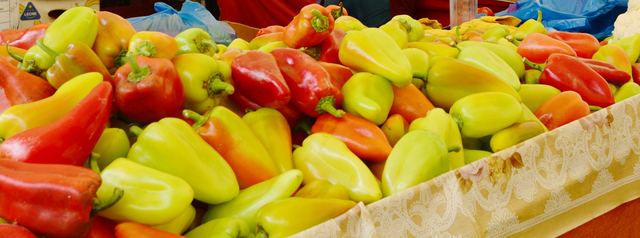 Zemunska pijacaZemun Market: The Soul of the SquareZemun’s green market fills Masarikov trg with farmers’ cheese and kajmak, peppers for ajvar, cured meats, honey and river fish, as it has since at least the 17th century. Here is how to make the most of a morning there.
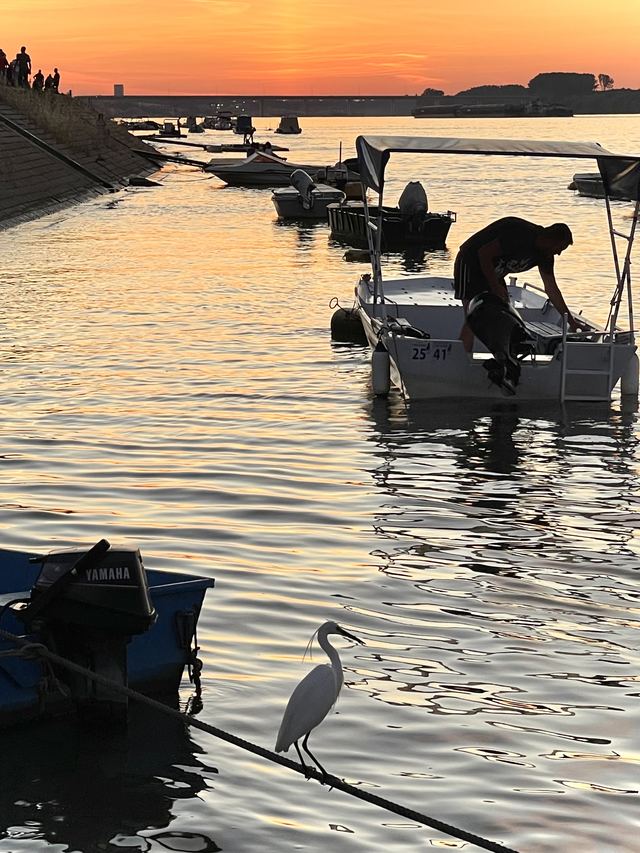 Riblja čorba and river fishFish on the Danube: the restaurants of the Zemun QuayFish soup and river fish by the Danube: how to eat on the Zemun Quay, from Venecija, open since 1913, to Šaran, Reka and Stara Carinarnica.
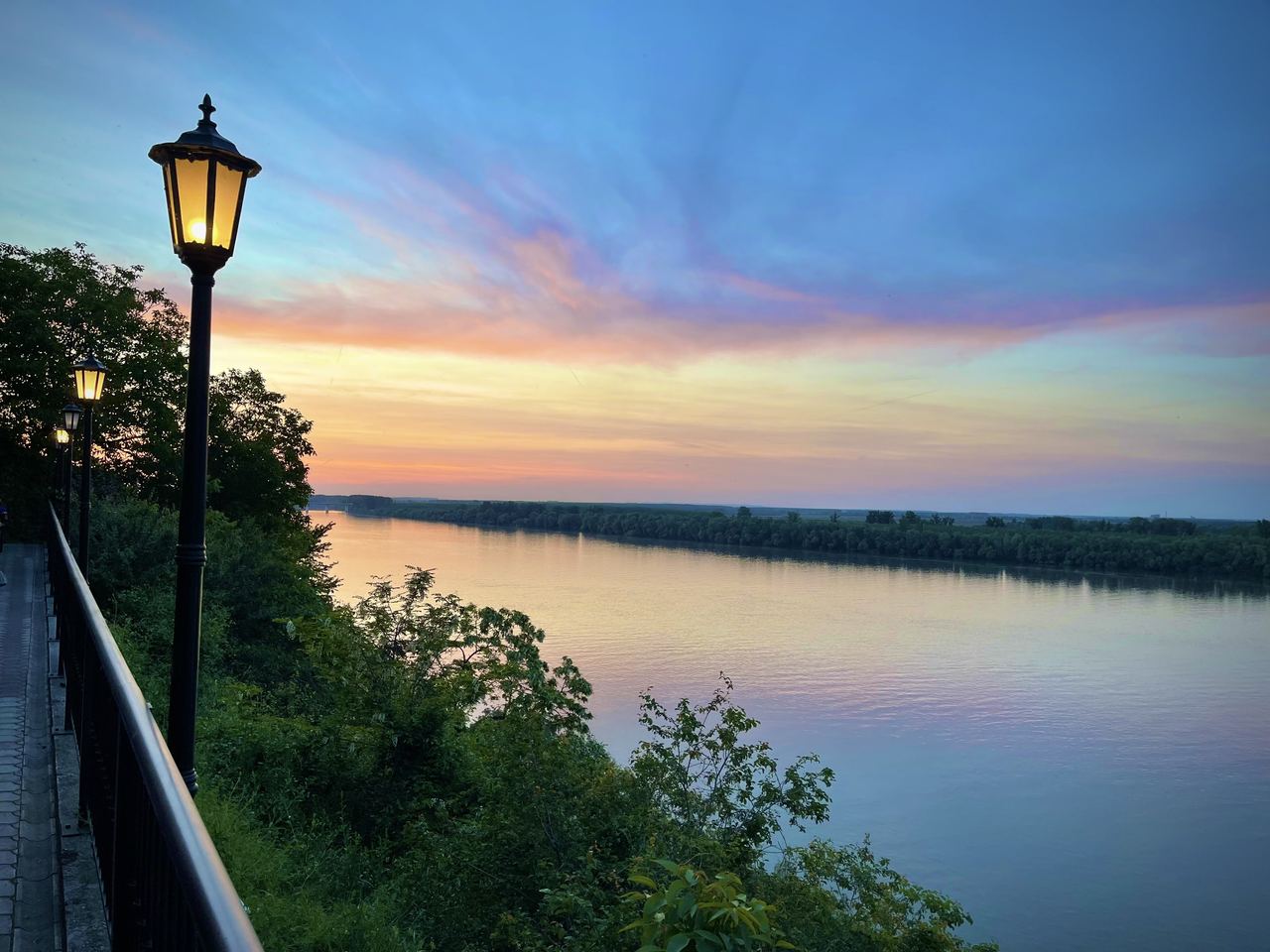 On the DanubeZemun QuayThe long Danube promenade below old Zemun, with tree-lined paths, bike lanes and benches, fishermen tending their boats, bars and restaurants on moored river barges, the largest flock of swans in Belgrade, and the riverside route to Ušće and the centre.