Cultural catalysts
Celebrating the life of Slobodan “Boba” Bibić
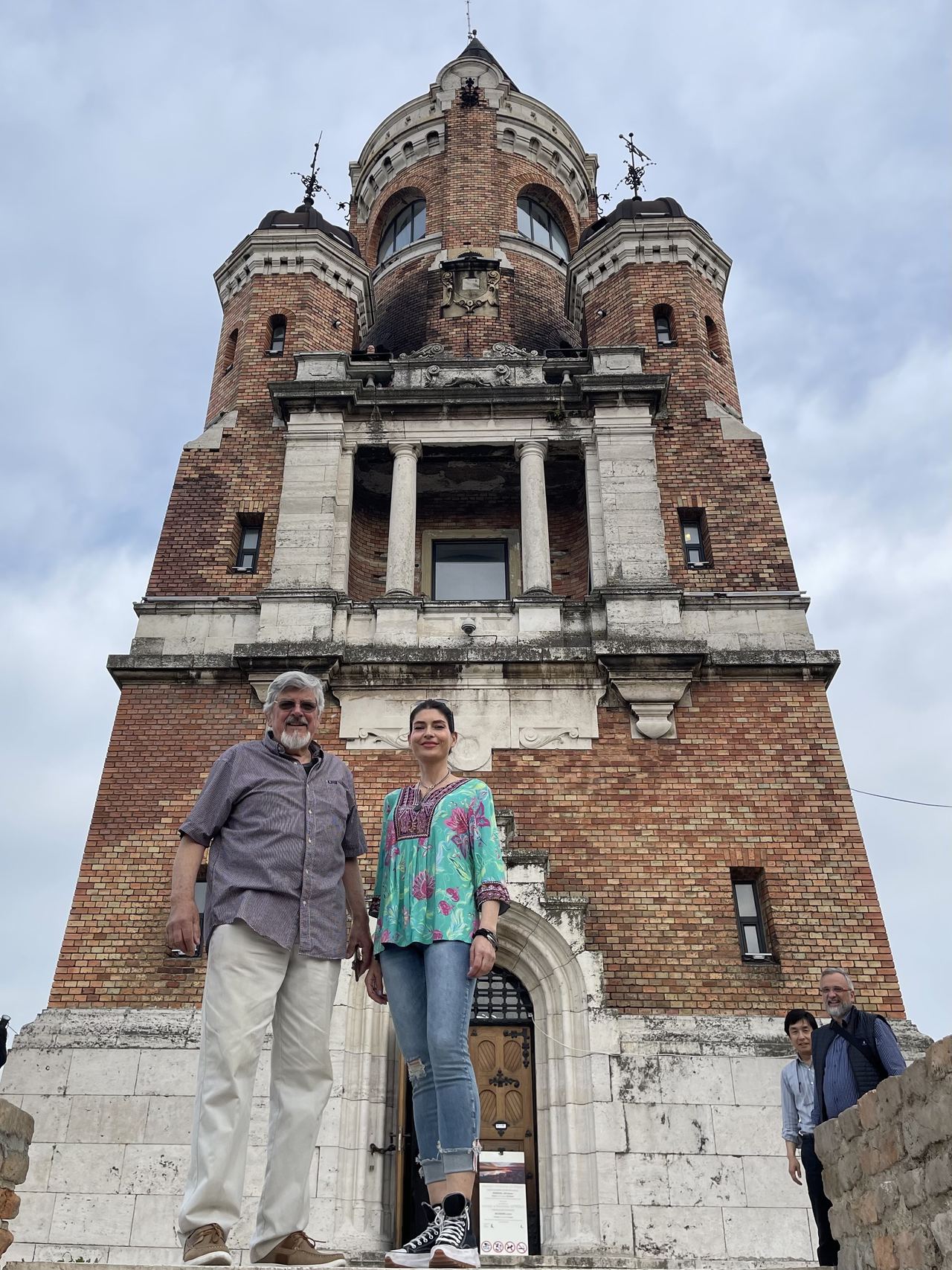
Photo Credit
Image courtesy of © ULTIMATE International MediaSlobodan “Boba” Bibić (1946–2022), the Zemun architect, photographer and videographer, trained in Belgrade and at home in its artistic circles, built a lasting visual archive of the town he loved.
The architect of memory
Four years after Zemun said goodbye to Slobodan “Boba” Bibić, his presence is still felt in the old town centre. He was a rare all-rounder, who spent his life translating the spirit of this riverside town through architecture, photography, video and community art.
Boba did not simply live in Zemun: he built a lasting visual archive of it. A graduate architect, photographer and videographer, he had an unusual pairing of gifts: the technical mind to understand how a town is built, and the artist’s eye to capture its pulse.
Stop to admire the swans on the Danube or the old streets of Zemun, and you are still looking through his eyes.
From the classrooms of Zemun to the national stage
His bond with Zemun began in his youth, in the halls of the Prva zemunska gimnazija, the town’s grammar school. Surrounded by the Austro-Hungarian architecture of the old town, his love of structural beauty took root, before he crossed the river to study at the Faculty of Architecture of the University of Belgrade.
His career took him to some of the country’s leading cultural institutions, including architectural and media work for the National Theatre in Belgrade (Narodno pozorište), yet his creative anchor stayed on the cobblestones of Zemun.
A pillar of Zemun and Belgrade’s art scene
Boba was a driving force in Zemun’s art scene. His architectural training sat naturally within Belgrade’s bohemian and artistic circles, where he was valued as a gifted collaborator who could bridge design and free artistic expression.
Whether he was organising independent showcases, supporting fellow artists or documenting local cultural life, he gave Zemun’s art community a sense of purpose and a high standard. For Boba, art was never confined to galleries: it belonged to the streets, the theatres and the historic spaces of the town he called home.
Photo Credit
Image courtesy of © ULTIMATE International MediaPreserving Zemun’s history in motion
What makes his contribution endure is his command of several mediums, each adding a layer to the record of the town.
The architect’s eye: he saw a crumbling façade or an old alleyway not as ageing stone, but as a living piece of history that deserved to be respected, recorded and preserved.
The photographer’s lens: he mastered light and stillness. Whether he was shooting the sweeping views from Gardoš Tower, the historic façades along Glavna or the quiet morning light on the Danube quay, his pictures were tributes to his hometown. In May 2022 Gardoš Tower itself hosted an exhibition of his photographs.
Photo Credit
Image courtesy of © ULTIMATE International MediaThe videographer’s reel: he mastered movement and time. Boba understood that a town is a living organism, and his films captured the rhythm of Zemun: the river, the bustle of the open market and the faces of the people who live here.
The lineage of light: Boba’s influence on Jelena’s canvas
Boba’s stewardship of Zemun did not end with his passing. It continues through his daughter, the academic painter Jelena Bibić, known as JEKA. Look closely at her Zemun Street Life collection and you see an artistic inheritance at work: the fluid, sensory hand of an oil painter, informed by the technical rigour and spatial awareness of an architect.
Growing up under Boba’s guidance, Jelena learned early to see the hidden geometry of the old town. Beneath brushwork that can be thick and evocative or fine and delicate lies a careful understanding of perspective, volume and line. She paints Zemun’s brickwork and sloping lanes with a three-dimensional weight that reflects her father’s architectural mind, turning the fixed lines of buildings into living, atmospheric light.
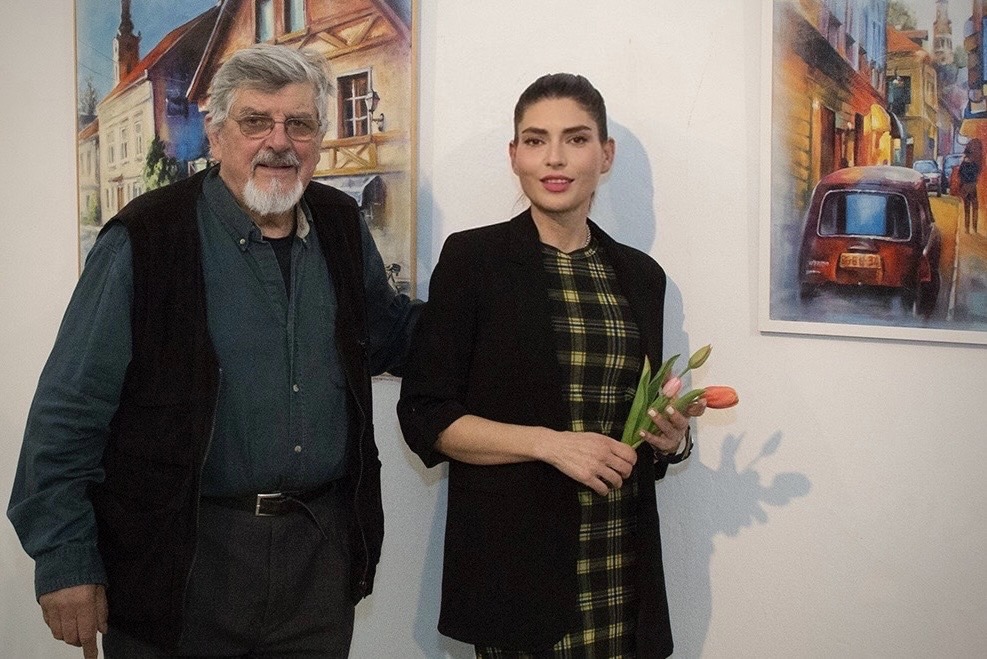
Photo Credit
Image courtesy of © ULTIMATE International MediaFrom the father came structure, depth and perspective; from the daughter, movement, fluidity and light. It shows most plainly in her aquarelles, pen-and-ink drawings of Zemun washed with sepia, which she draws almost as an architect would. The Zemun Street Life paintings are where the two meet.
Her portraiture has earned her international recognition: she is Serbia’s Tesla Ambassador, and her work hangs permanently in New York. Her paintings of Zemun, though, stay close to home, kept and shown almost entirely within Serbia, among the community Boba loved. Through her brush his way of seeing lives on.
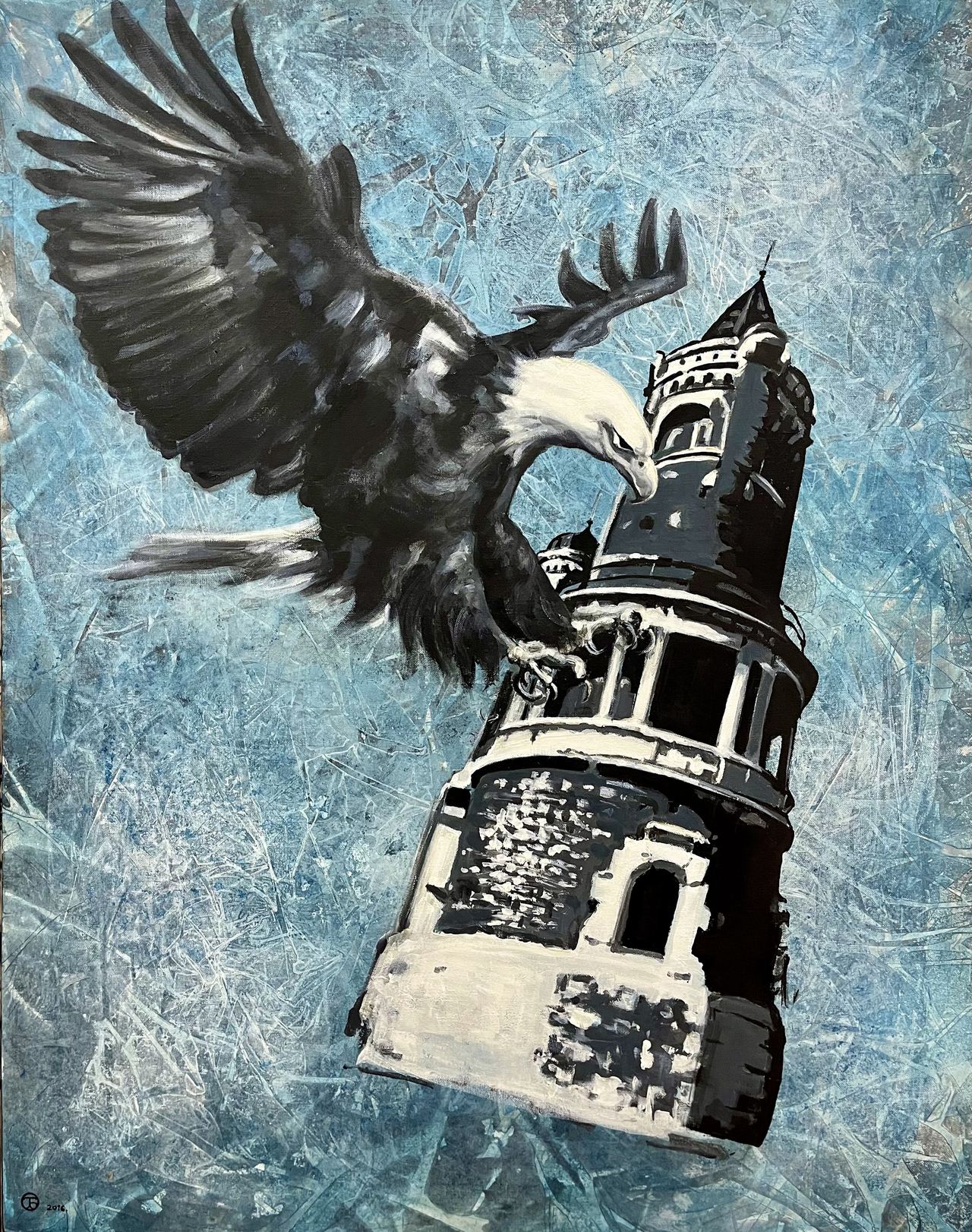
Photo Credit
Image courtesy of © Jelena BibićHis Zemun today
Boba is remembered in Zemun less for his titles than as a warm, thoughtful and welcoming presence on the quay, with the relaxed yet fiercely proud Balkan spirit that defines the town.
He left a blueprint of love for his hometown. Stop to admire the swans on the Danube, the old streets climbing to Gardoš or the preserved architecture of the town centre, and you are, in a sense, still looking through his eyes.
Why it's on our list
- 1946–2022
- Architect, photographer and videographer
- A son of Zemun, trained in Belgrade
- A pillar of Zemun and Belgrade’s art scene
- His influence lives on in Jelena Bibić’s Zemun paintings
Location
The map comes from Google Maps, which sets its own cookies once it loads.
More in depth
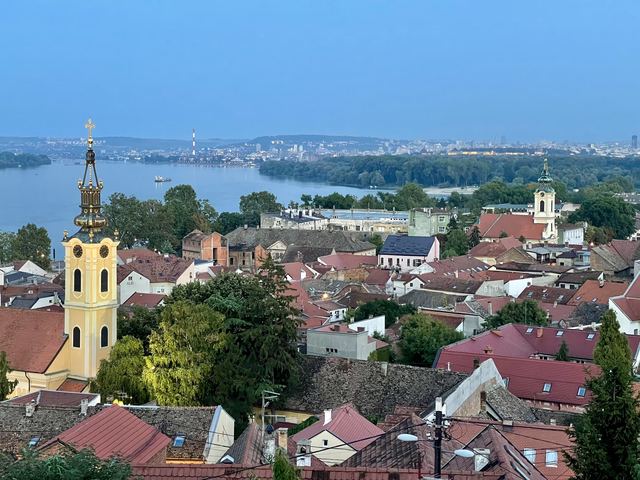 A Habsburg town on the DanubeA walk through old ZemunZemun is one of the loveliest places in Belgrade: a little Central European town of Baroque churches, pastel houses and cobbled lanes, with café-lined squares buzzing on warm summer evenings and the Danube at its feet, all watched over by Gardoš Tower on its hill above the river.Our ten favouritesTen of the best in ZemunOur ten favourite places in Zemun, from the green market and Gardoš Tower to the swans of the quay, the opera on Glavna and a Greek taverna, each with its own page in the guide.
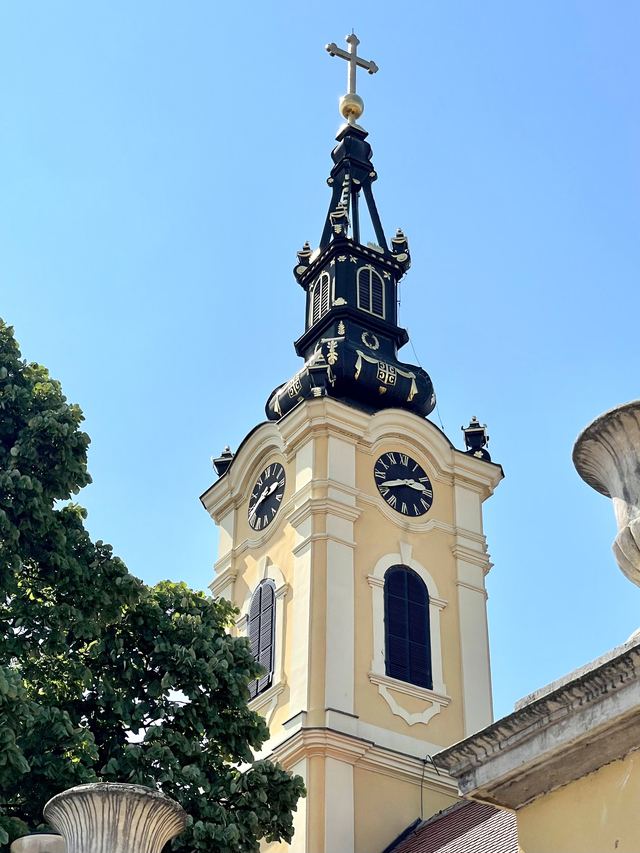 The back storyZemun’s frontier story: the quarantine, the hospital and the parkHow the Habsburg frontier town of Zemun guarded its gate: the quarantine of 1730, whose churches of 1786 and 1836 still stand in the City Park, the hospital founded in 1784, and the customs and trade of the Danube.