The back story
From the džezva to the flat white: Belgrade’s café culture, the back story
Five centuries of coffee in Belgrade: the first coffee house, the Moskva, the new roasters.
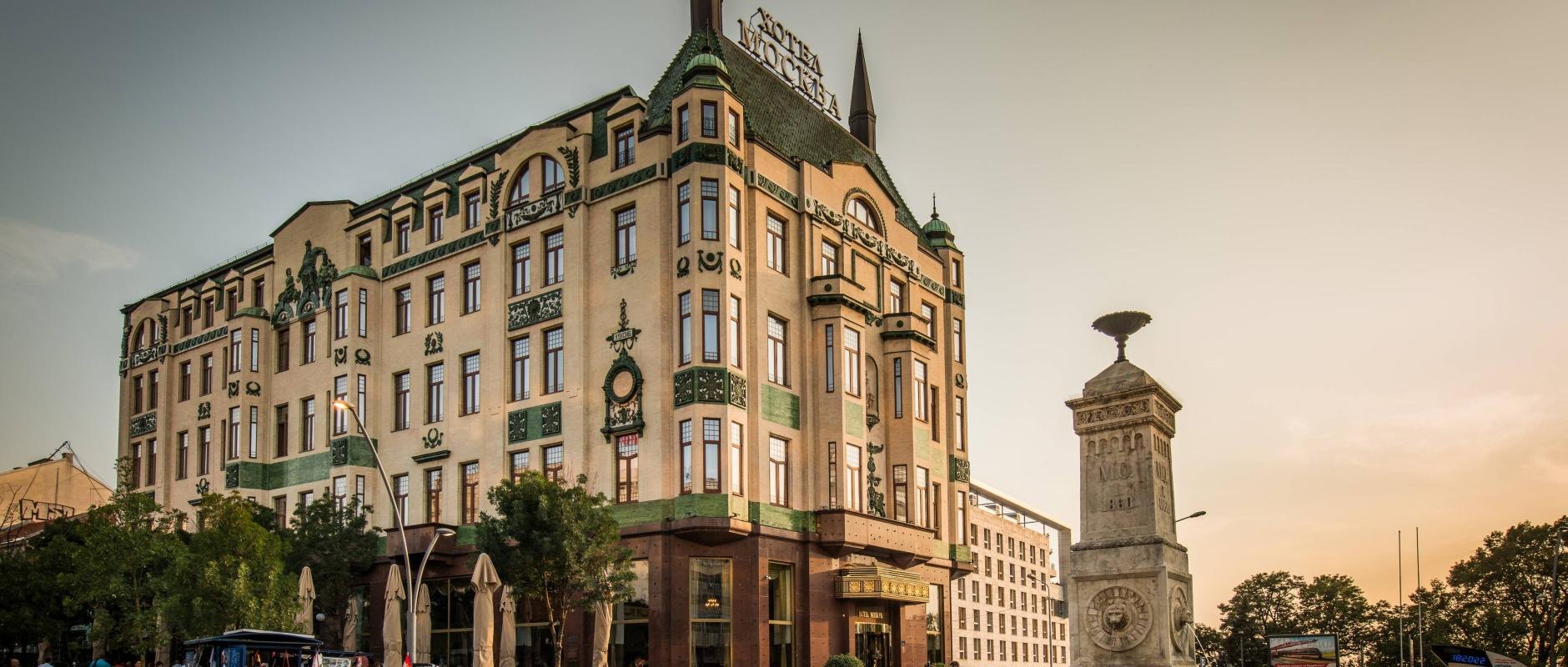
Photo Credit
Image courtesy of © Hotel Moskva CaféSerbia’s first coffee house opened in Belgrade in 1522, and the city has been lingering over small cups ever since. Writers claimed tables at Hotel Moskva, Ruski car held the corner of Knez Mihailova, and since 2014 the roasters of Dorćol and Vračar have added the flat white to the ritual. Here is how coffee shaped the city, and why nobody here drinks it in a hurry.
Five centuries in a small cup
According to Kultura, the journal of Serbia’s Institute for the Study of Cultural Development, the first coffee house in Serbia opened in Belgrade in 1522. It was, as the name says, a place for coffee and tobacco, and little else. The city has never quite lost the habit: the kafana, Belgrade’s tavern, still takes its very name from kafa, coffee.
The oldest way to drink it is still on offer. Domaća kafa, Serbian coffee, is boiled in a long-handled džezva and poured, grounds and all, into a small cup; you wait for it to settle, and the conversation fills the pause. Znak pitanja (?), opposite the cathedral, serves it in rooms it says have kept their look for more than 200 years, and the house is on the city’s register of protected cultural monuments.
Andrić’s table on Terazije
The grand café arrived with Hotel Moskva, which opened on 14 January 1908. After the First World War the novelist Miloš Crnjanski and his circle of artists, Ivo Andrić among them, met in the hotel’s kafana; Crnjanski later explained that it was the only place in town with working electricity. Belgrade’s literary avant-garde, in other words, followed the light bulbs.
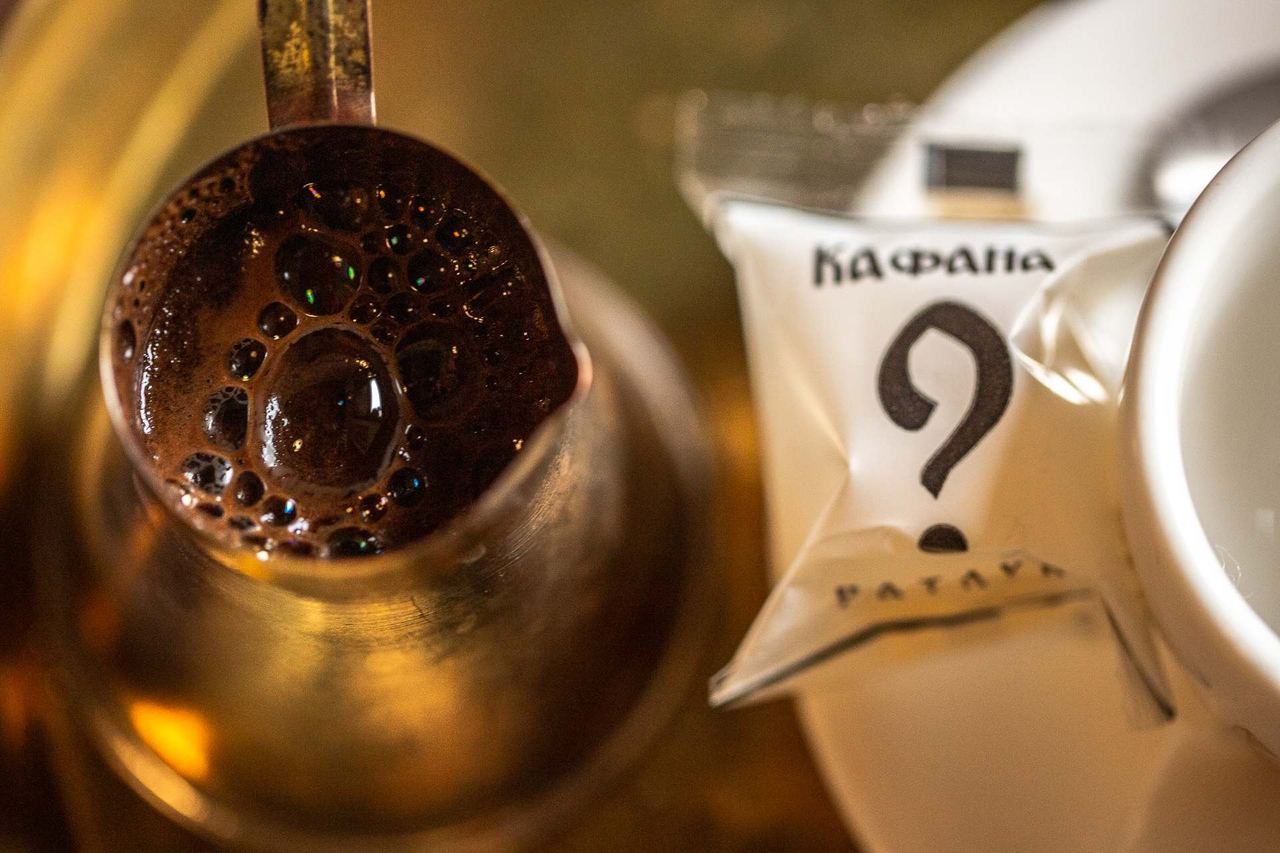
Photo Credit
Image courtesy of © Kafana Znak pitanjaAndrić, later a Nobel laureate in literature, kept his own table there for many years. The poet Vasko Popa went further: he drank his coffee at the Moskva every day from 3.30pm to 6pm, a ritual that lasted for decades. It is a timetable most offices would envy and few would dare to keep.
The Moskva’s pastry shop opened in 1974, and among the recipes created that year was the Moskva šnit: almonds, cherries, pineapple and a homemade cream whose recipe stays secret. The hotel says it serves the cake to about 300 people a day and makes some 20 tonnes a year, which makes it less a dessert than a civic institution with icing.
The corner of Knez Mihailova
A few minutes away, Ruski car holds the corner of Knez Mihailova and Obilićev venac. Its building went up between 1922 and 1926, and the house recalls it as a meeting place for intellectuals, engineers and architects; the city lists the kafana as a protected cultural monument. Take a window seat: the parade on Belgrade’s main pedestrian street has been running longer than any of its shops.
Belgrade’s literary avant-garde, in other words, followed the light bulbs.
The roasters move in
Then came the third wave. Kafeterija began in 2014 in a small café in Dorćol and now counts 69 cafés, calling itself the largest specialty coffee chain in the Balkans; its Magazin 1907 on Kralja Petra is the grandest room in the family. Pržionica D59B roasts its beans on Dobračina, beside Dorćol Platz, the art space that has been open there since 2016.
The new names keep arriving. Sonder, founded in 2024 by a team with more than ten years in the trade, roasts its own beans for cafés in Vračar, Dorćol and at Belgrade Waterfront, while 7AM Coffee Roasters sells its beans by the bag in Vračar. Aviator Coffee Explorer on Gundulićev venac roasts its own too, and its terrace is one of the pleasantest pauses between the old town and the Danube.
Why the coffee takes an hour
So why does a city that has drunk coffee for five centuries still queue for a flat white? Because the drink was never really the point. In Belgrade a coffee is a seat, a table and a licence to stay; the flat white simply joins a ritual the džezva started. Nobody will hurry you, and asking for the bill too soon can look like bad manners.
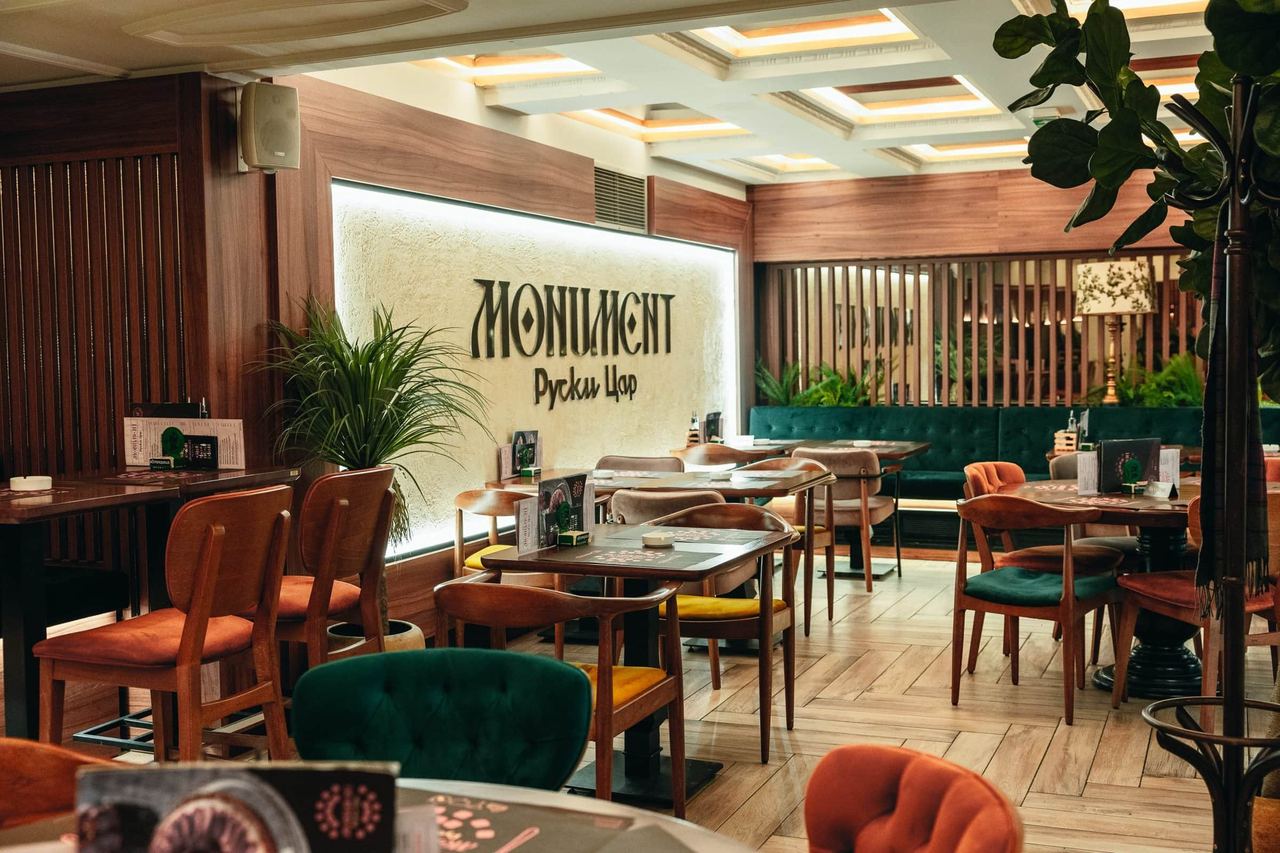
Photo Credit
Image courtesy of © Ruski carOur advice: start with a domaća kafa at Znak pitanja (?), take the Moskva šnit on the Moskva’s terrace in the afternoon, Popa’s hours, and finish with a single-origin pour at Pržionica D59B or Kafeterija Magazin 1907. Buy a bag of beans from a Belgrade roaster to take home; it travels better than the cake.
Why it's on our list
- Five centuries in a small cup
- Andrić’s table on Terazije
- The roasters move in
- Why the coffee takes an hour
Location
The map comes from Google Maps, which sets its own cookies once it loads.
More in depth
 The back storyRakija, riddles and a question mark: how Belgrade drinks, the back storyFrom the oldest kafana and Skadarlija to UNESCO-listed šljivovica and the cocktail courtyards.
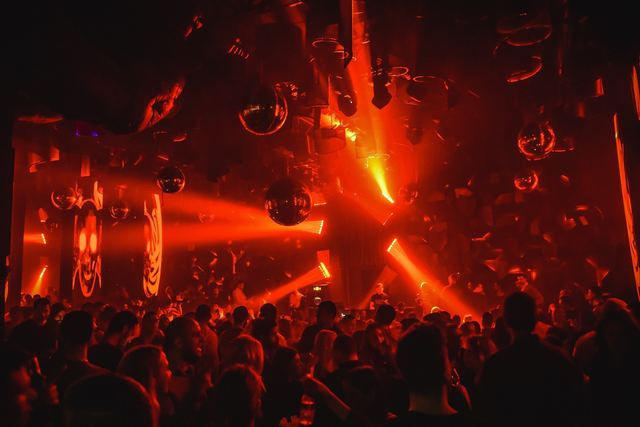 The back storyBelgrade After Dark: River Clubs, New Wave and TechnoFrom student cellars and the new wave to river clubs and a techno slaughterhouse: Belgrade by night.
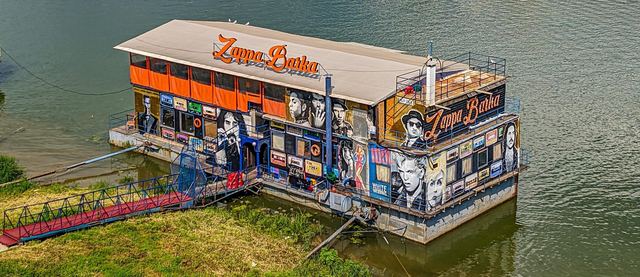 The back storyBelgrade’s Splavs: Six Decades on the RiverSix decades of the floating clubs: weekend rafts, 1990s nights, the clearances and what comes next.