The back story
Belgrade’s Splavs: Six Decades on the River
Six decades of the floating clubs: weekend rafts, 1990s nights, the clearances and what comes next.
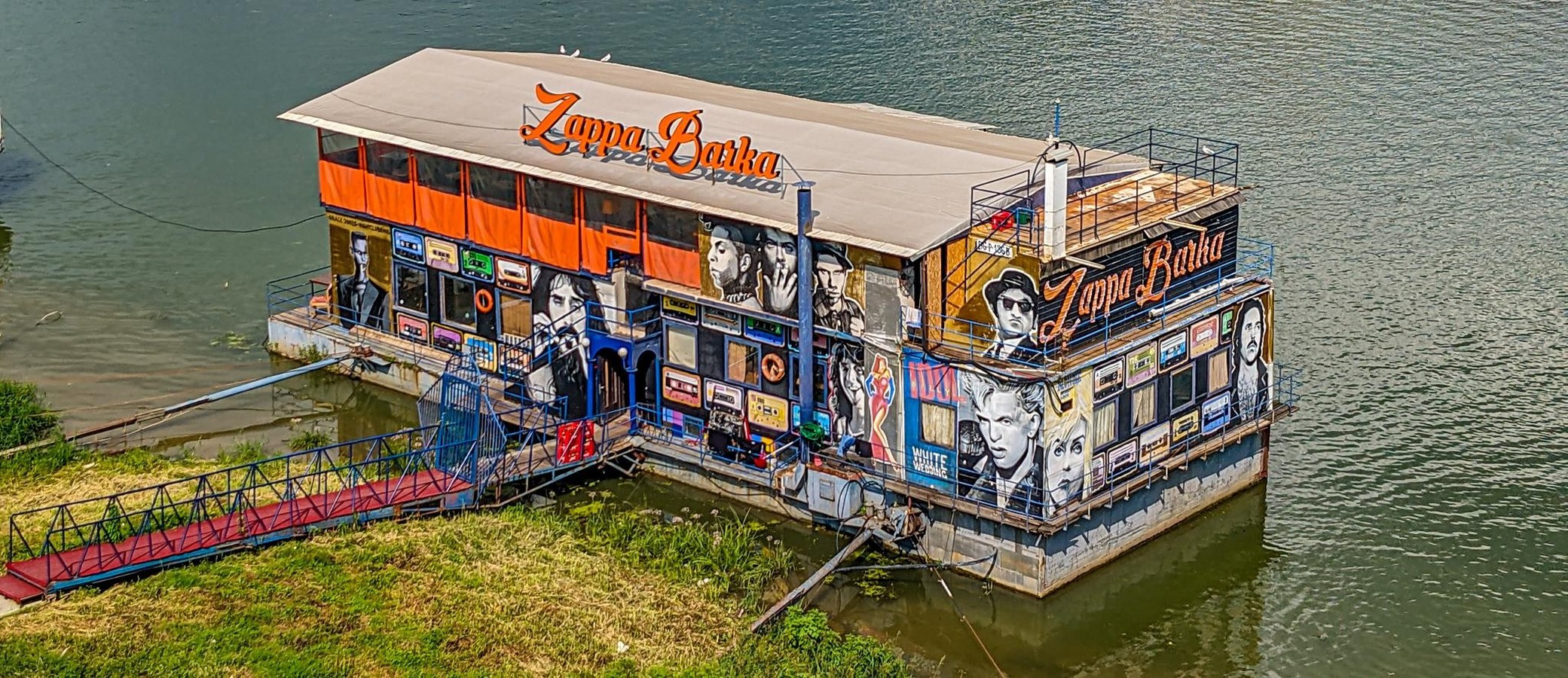
Photo Credit
Image courtesy of © Zappa BarkaThe story of Belgrade’s splavovi, the floating bars, restaurants and clubs of the Sava and the Danube: the weekend rafts of the 1960s, the nights of the 1990s, the golden years of Freestyler, Lasta, Klub 20/44 and Zappa Barka, the riverbank clearances of 2024 to 2026, and the DJs and crowds moving to clubs on dry land.
For more than half a century, one word has carried Belgrade’s summer nights: splav. It simply means ‘raft’, and the splavovi, the floating bars, restaurants and clubs moored along the Sava and the Danube, have become as much a part of the city as the fortress above them. To many visitors they are party barges pulsing with bass until sunrise; their true story is richer, and far more Belgrade.
Over six decades the rafts have mirrored the city itself: the easy leisure of Yugoslav summers, the escapism of the 1990s, the reopening to international visitors after 2000 and, most recently, a sweeping redevelopment of the riverbanks. Since the clearances of 2024 to 2026, the central waterfront looks markedly different. This is the story of how splav culture began, why it divided the city, and where it lives on.
Weekend rafts: the 1960s to the 1980s
Long before velvet ropes and guest DJs, a splav was a modest escape from the heat of a Belgrade summer. In the late 1960s and early 1970s, Belgraders of many callings, doctors, lawyers, judges and artists among them, began building small wooden houseboats and moored rafts along the sheltered banks of the Sava, especially around the river islands of Ada Ciganlija and Ada Međica: a country cottage, with the countryside swapped for a river.
At a time when a holiday home on the coast was out of reach for many, these floating cottages were a weekend sanctuary minutes from the centre. Neighbours fished, swam and lit the barbecue as the thermometer climbed towards the high thirties. By the late 1970s the owners had formed their own association to settle mooring disputes and agree the etiquette of the river, and by the early 1980s hundreds of rafts lined the Sava.
Hospitality followed naturally. Raft owners found that visitors were happy to pay for food and drink on the water, and in 1983 Argument opened as Belgrade’s first floating restaurant. Bohemian music barges appeared around the same time, most famously Crni Panter, the Black Panther, which began life as Kalipso, with acoustic and gypsy jazz sessions. They brought the warmth of the Serbian kafana to the breeze of the river.
The 1990s: nights on the water
The early 1990s changed the riverbanks entirely. The break-up of Yugoslavia brought years of war, international sanctions and hyperinflation, and daily life in Belgrade grew hard. For a generation cut off from travel, the night became a refuge, and the river its natural home.
Regulation was thin and rarely enforced, so enterprising locals towed old industrial barges to the banks of the Sava and the Danube and turned them into bars and clubs. Splavs multiplied quickly and cheaply. Turbo-folk, the high-energy blend of Balkan folk melodies and electronic dance beats, became the sound of the bigger venues, some of which grew bound up with the excesses of the era.
Yet the same riverbanks nurtured a lively counterculture. Roma brass bands led revellers through the streets and down to the gangplanks, while underground electronic and rock collectives moored rafts of their own, well away from the mainstream.
The golden years: the 2000s and 2010s
After 2000 Serbia reopened to the world, and what had begun as defiance became one of Europe’s most talked-about nightlife scenes. By the 2010s the figure most often quoted was around 300 splavs, commercial and private, along some 15 kilometres of the Sava and the Danube, drawing visitors from across the region and far beyond, and keeping bartenders, musicians, sound engineers and door staff busy all summer.
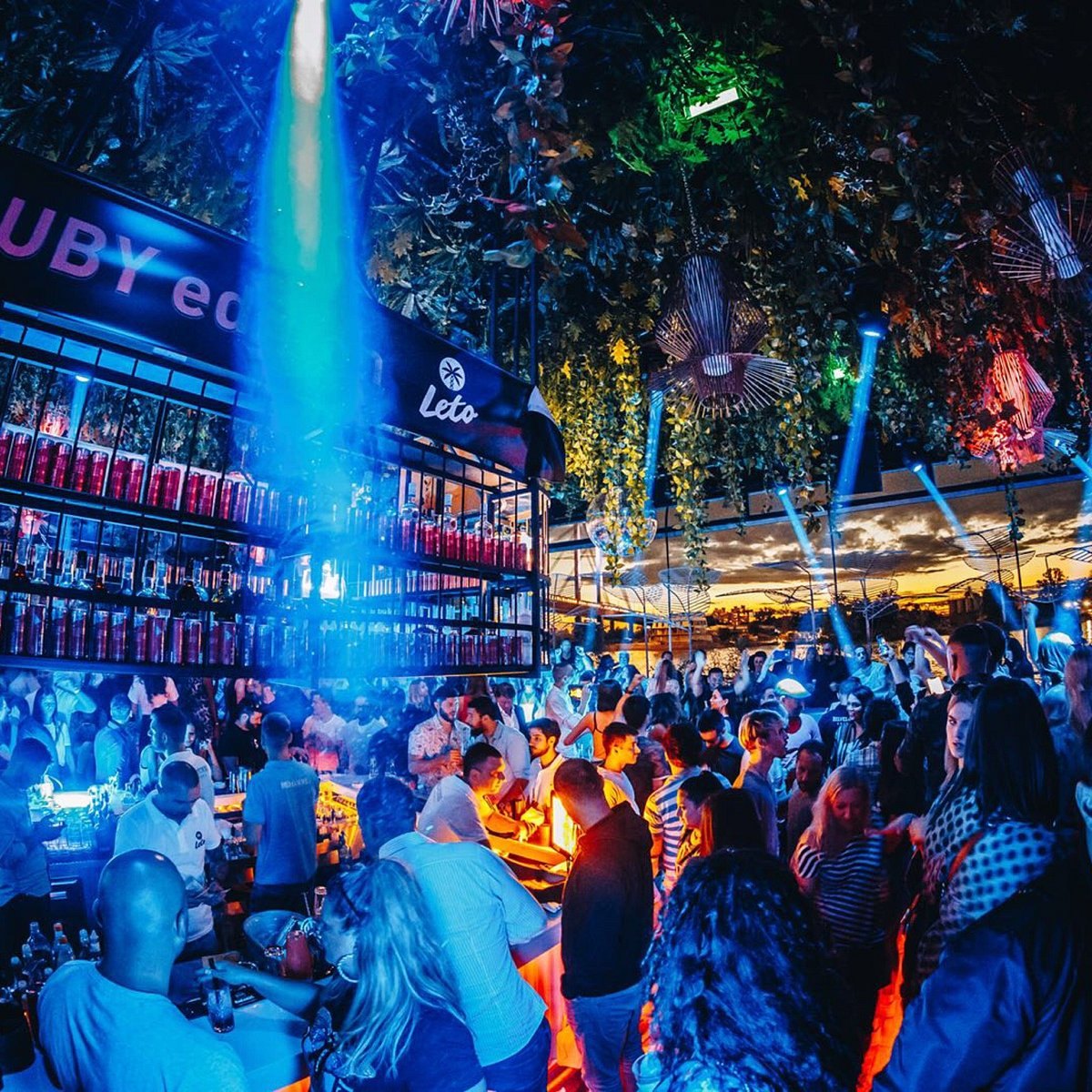
Photo Credit
Image courtesy of © LetoIts great strength was variety. Freestyler and Lasta offered glamorous open-air decks, international house and R&B DJs and high-energy summer parties. Klub 20/44, named after Belgrade’s geographic coordinates, won a devoted international following among electronic music purists for long techno and disco sets with the old town as the backdrop.
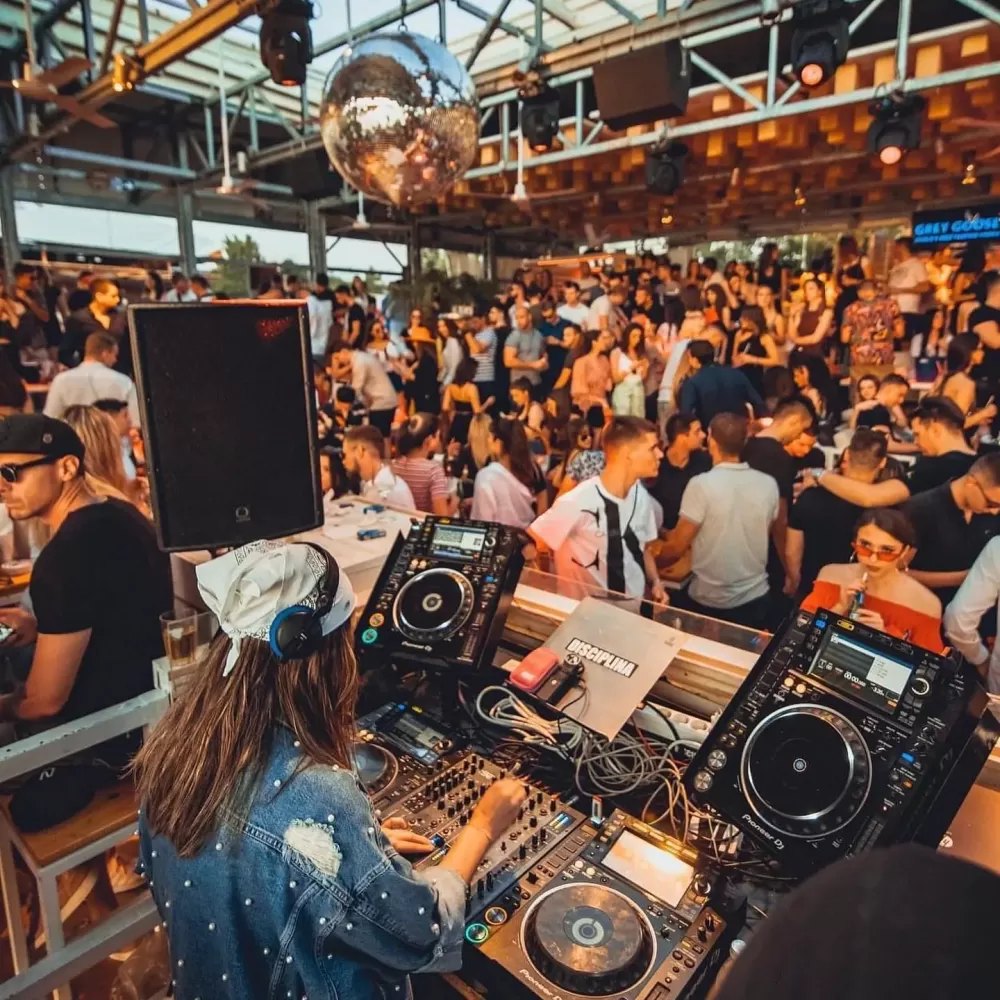
Photo Credit
Image courtesy of © LastaZappa Barka became a much-loved home for rock, hip-hop, live concerts and art events, with an easy, inclusive spirit far from the culture of the VIP table. And scores of mid-sized rafts carried on in the old way, serving riblja čorba, the river fish soup, and coffee by day: the neighbourhood café, afloat.
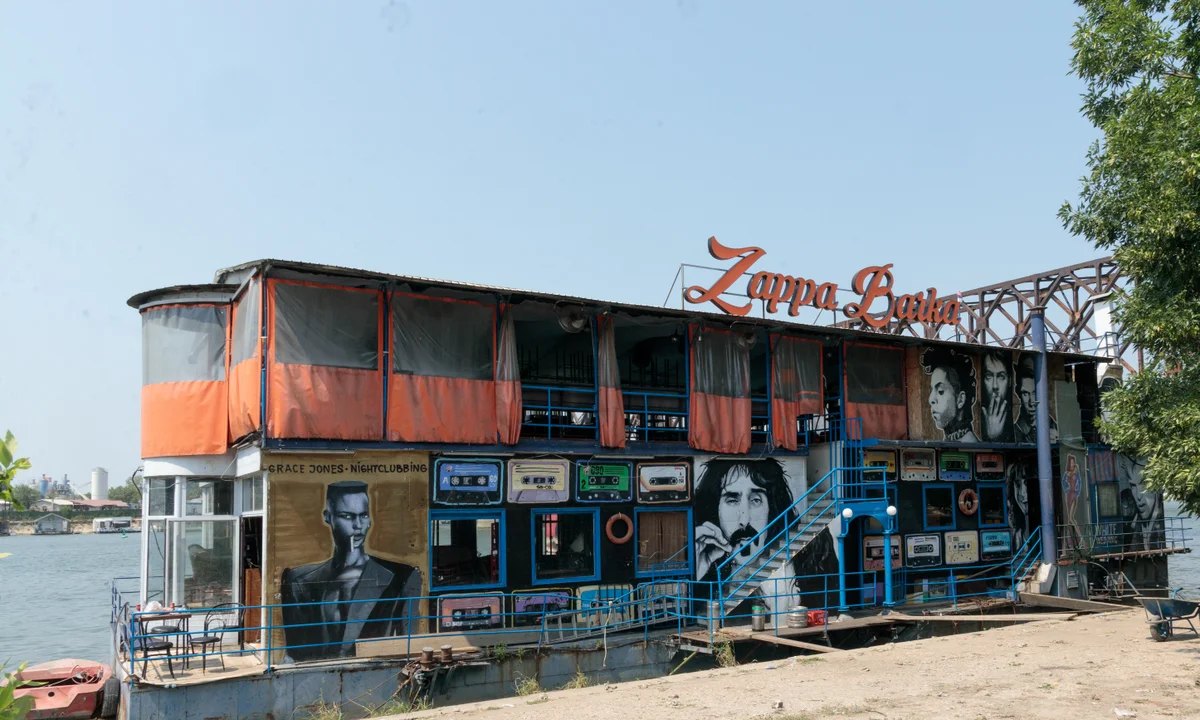
Photo Credit
Image courtesy of © Zappa BarkaGrowing pains
Success brought friction between club owners, residents, planners and environmental campaigners. Sound travels freely across water, and for the many residents of New Belgrade and Dorćol, open-air sound systems playing until five in the morning meant broken sleep all summer long.
The river paid a price too. Most older rafts were built without proper waste tanks or a connection to the city sewers. Campaigners warned that rafts upstream along the Savski nasip embankment encroached on the protected zone around the city’s underground drinking-water wells, while heavy delivery vehicles wore down the earthen flood defences.
Water or dry land hardly enters into it: what counts is good music and an up-for-it crowd.
Rows of private barges walled off long stretches of riverbank, hiding the views of the confluence and the way down to the water’s edge. Safety was a worry as well: a fire destroyed the legendary Crni Panter in 2008, and Freestyler partly sank in 2023.
The clearances: a city of two minds
After the pandemic, the city announced a sweeping overhaul of the riverbanks, aiming to clear a large share of the floating structures from the central stretches. Between 2024 and 2026, berths were put out to tender under new zoning rules, power and water were cut to rafts that did not comply, and tugboats towed dozens of splavs away from the central Sava and the banks at Ušće.
The work goes hand in hand with the city’s wider renewal: the growing riverside promenades of Belgrade Waterfront, upgraded flood defences and the preparations for Expo 2027. Opinion in Belgrade remains divided, and both sides make their case with feeling.
Many residents and urban planners welcome the change. The waterfront, they point out, is cleaner and quieter, the river views are open again, and walkers and cyclists can reach the water’s edge.
Musicians, promoters and loyal regulars mourn the loss of independent spaces built up over decades with little commercial pretension. Klub 20/44 was towed several kilometres upriver, and critics fear that grassroots institutions are giving way to a more polished, high-end riverside.
Where the river life goes on
The unregulated era of party boats lining central Belgrade has drawn to a close, but splav culture has changed shape rather than vanished. Instead of banning floating clubs, the city has gathered the survivors into designated, regulated zones away from the residential towers, most notably along the Sava between the Gazela and Ada bridges, on Sajamski kej.
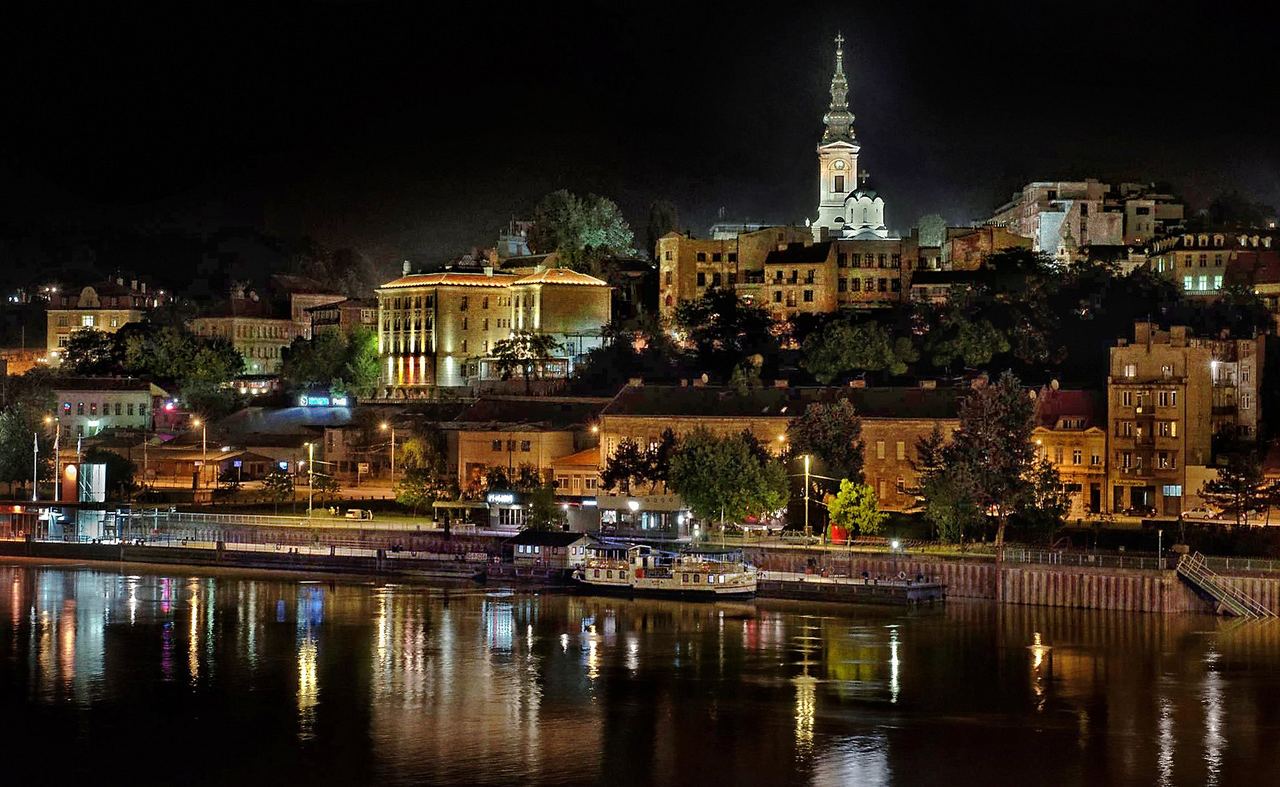
Photo Credit
Image courtesy of © Dani Lavi 0007 · CC BY-SA 4.0 via Wikimedia CommonsVenues such as Zappa Barka have moved to this stretch, where live bands, DJs and summer deck parties carry on under stricter rules on noise and waste.
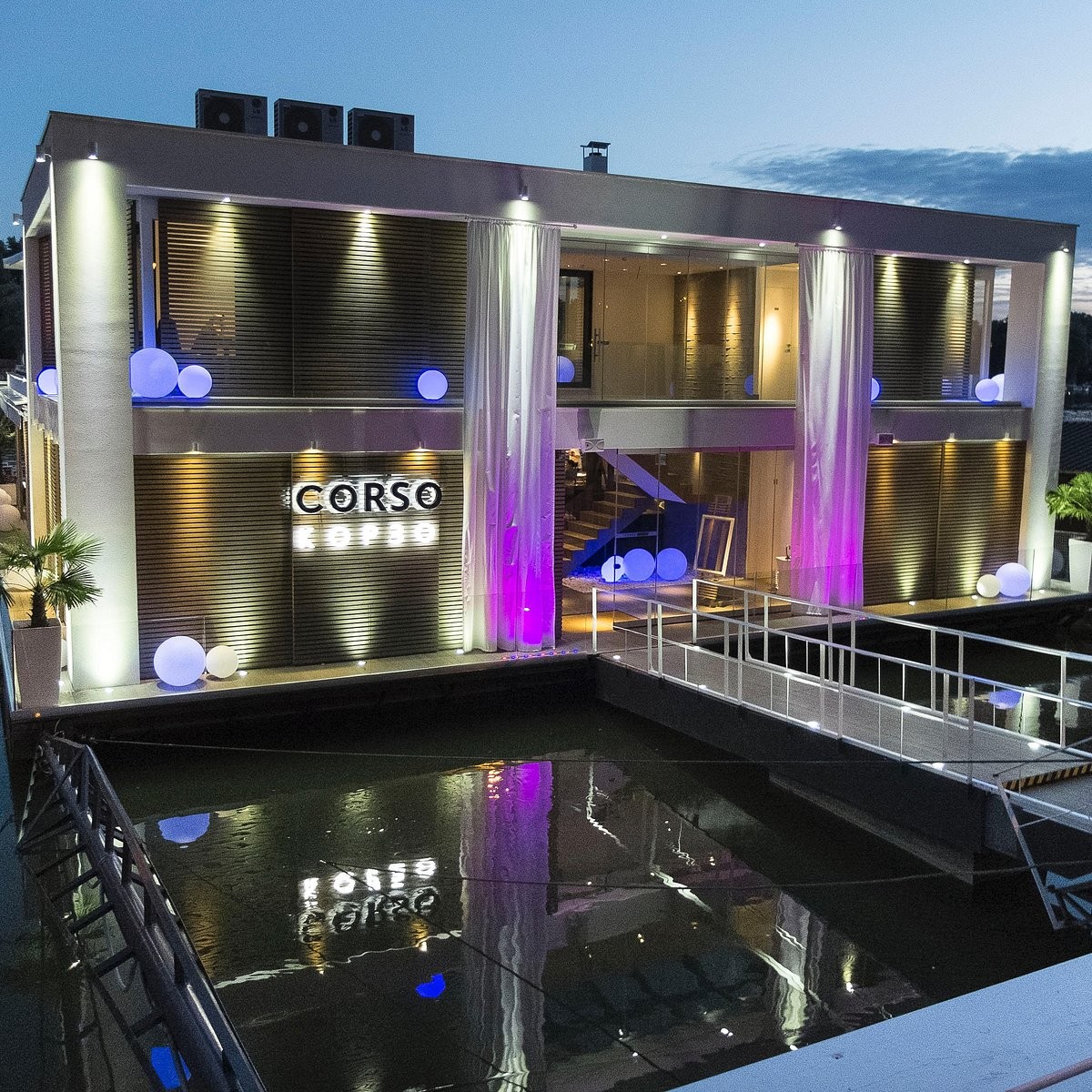
Photo Credit
Image courtesy of © CorsoAway from the clubs, the original soul of the splav survives on the tree-lined banks of Ada Ciganlija and Ada Međica. Hundreds of private, family-owned wooden raft houses are still summer retreats, where Belgraders swim, cook river fish and while away weekends with friends, a short bus ride from the centre.
From the river to dry land
Forced off the central water, many of the DJs, promoters and creative collectives behind the closed splavs have taken their energy onto dry land. Industrial warehouses, former factories in Dorćol and lively central courtyards such as Cetinjska Street have absorbed much of the city’s underground electronic and alternative talent, with programmes that now run all year, whatever the weather.
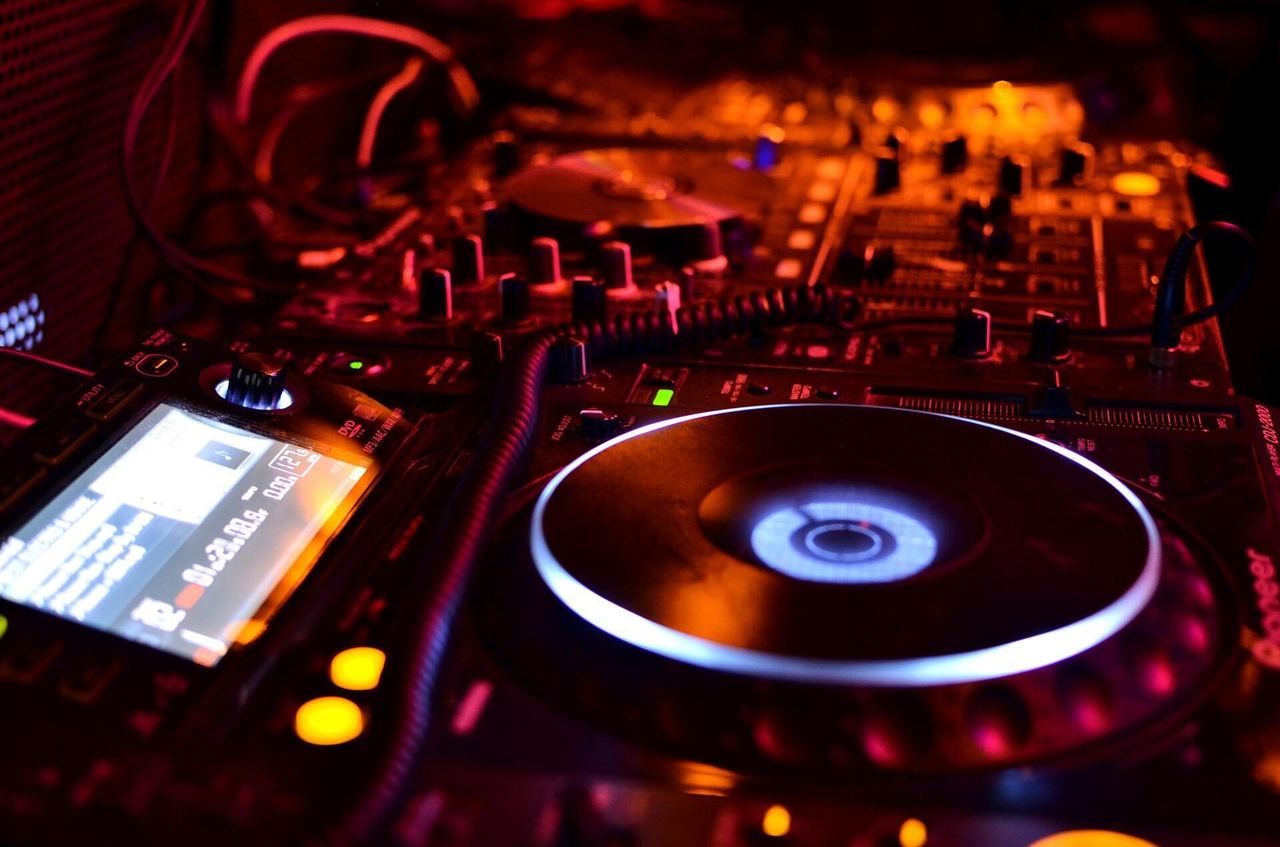
Photo Credit
Image courtesy of © PixabayAnd the crowds are following. For those who remember summers on the old rafts, and for a younger generation looking for the next big thing, water or dry land hardly enters into it. What counts is what has always counted in Belgrade: good music, a good sound system and an up-for-it crowd, long into the night.
Belgrade’s relationship with its rivers has entered a new chapter. The wild floating frontier of the 1990s and 2000s has given way to a more regulated waterfront, yet the spirit of the splav, gathering by the water for music, food and long summer nights, remains firmly anchored in the life of the city.
Our advice
Many river clubs open only from May to September, and the big decks are busiest late on summer weekends; entry, dress codes and table bookings vary, so check with each venue before you go. For a gentler taste of splav life, spend a summer afternoon on the rafts around Ada Ciganlija. And when the season ends, follow the DJs inland.
Coming soon: our sister feature, Belgrade Clubbing & Nightlife 2026–27, on where the DJs, the promoters and the crowds go next.
Why it's on our list
- Weekend rafts: the 1960s to the 1980s
- The 1990s: nights on the water
- The golden years: the 2000s and 2010s
- Growing pains
- The clearances: a city of two minds
- Where the river life goes on
- From the river to dry land
- Our advice
Location
The map comes from Google Maps, which sets its own cookies once it loads.
More in depth
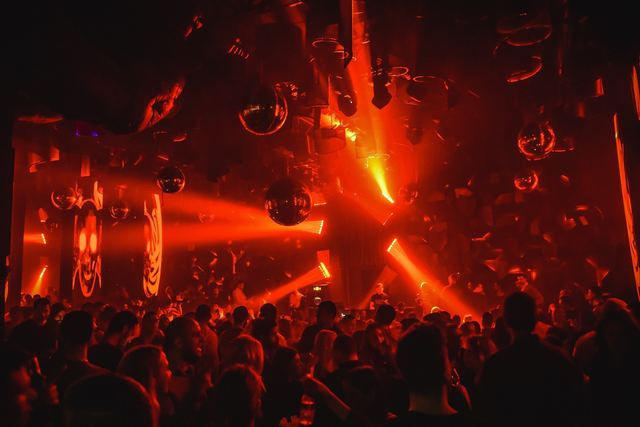 The back storyBelgrade After Dark: River Clubs, New Wave and TechnoFrom student cellars and the new wave to river clubs and a techno slaughterhouse: Belgrade by night.
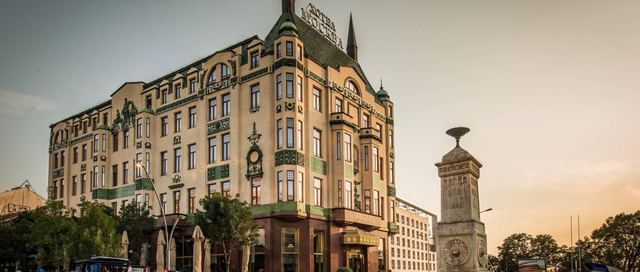 The back storyThe grand hotels of Belgrade: the back storyThe Moskva, the Metropol’s film stars, the Bristol and the St. Regis: Belgrade’s grand hotels.
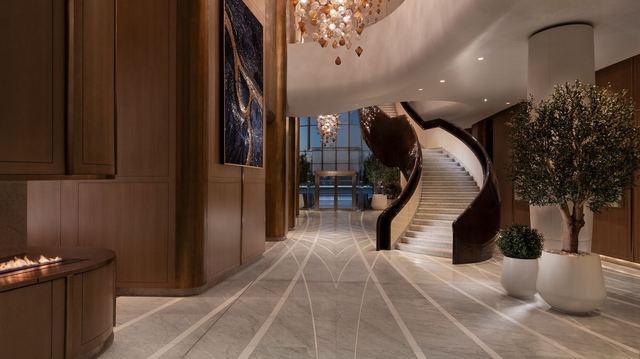 MICHELIN Guide hotelThe St. Regis BelgradeSerbia’s first St. Regis, at the foot of the twisting Belgrade Tower on the Sava, opened in 2024.