The back story
Belgrade After Dark: River Clubs, New Wave and Techno
From SKC and the new wave to the river clubs and Drugstore: Belgrade’s nights, decade by decade.
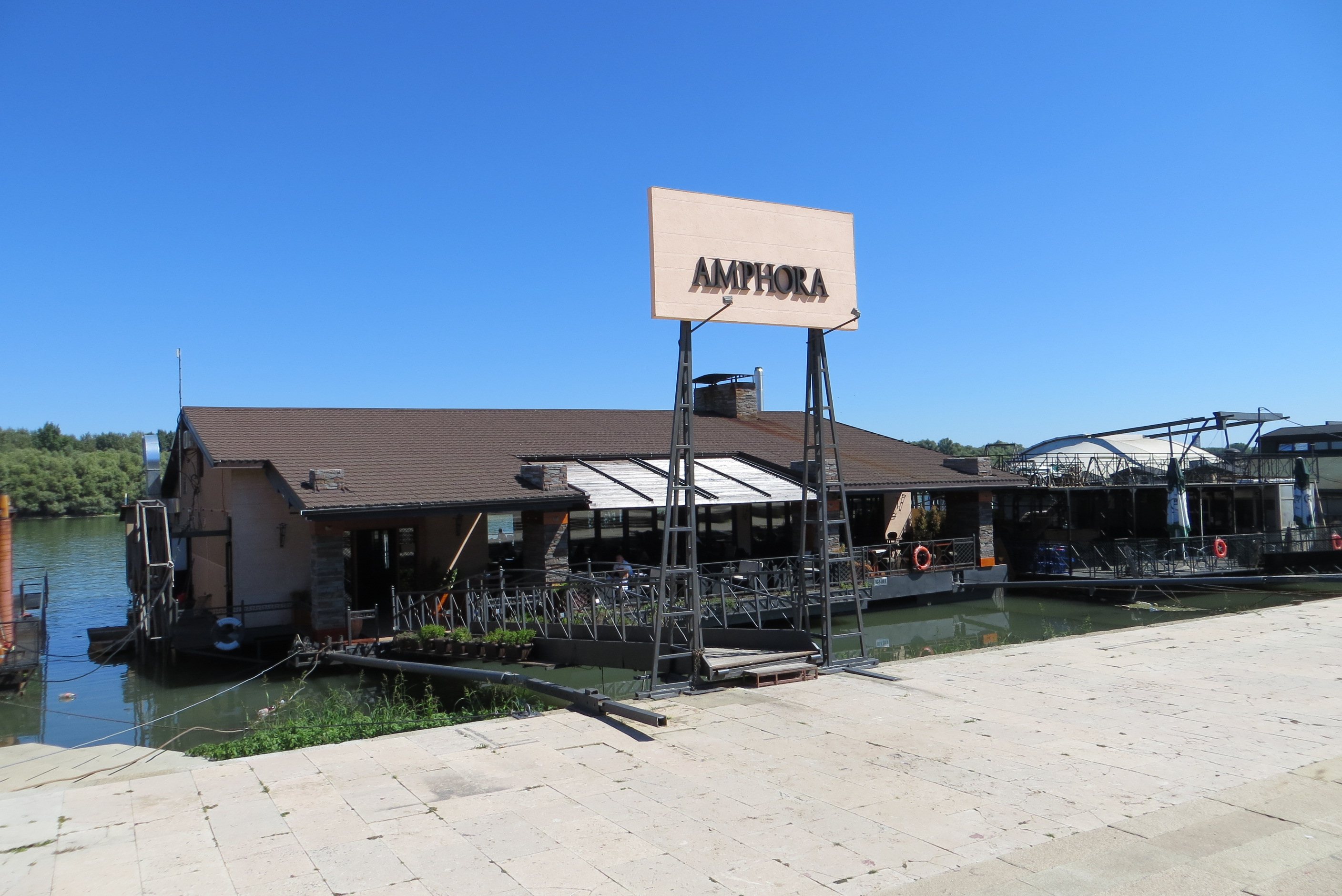
The story of Belgrade’s nights, from Dom omladine, KST and the Student Cultural Centre to the new wave of Idoli, Šarlo Akrobata and Električni Orgazam, the Akademija basement, Industrija and the techno years, the splavovi on the Sava and the clubs where the city goes out today.
Belgrade goes out late and goes out well, and it always has. Its nights were made in student clubs and cellars, in a gallery basement on Knez Mihailova and in a boiler room under a university faculty, and above all on its two rivers, where hundreds of floating clubs now line the Sava and the Danube. The rivers are the thread of this story: Belgrade’s nights have always drifted towards the water.
Before the new wave: Dom omladine, KST and SKC
Belgrade’s youth culture had a home long before the 1980s. The technical students’ club, KST, on Bulevar kralja Aleksandra, has run since the 1950s as a student club by day and a dance floor by night, with a garden stage that bands still play. Dom omladine, the Belgrade Youth Centre, opened on Makedonska Street on 18 October 1964, and in the 1960s and 1970s it was known for rock concerts and its disco club.
In 1971 the Student Cultural Centre, SKC, opened on Kralja Milana Street in the old Officers’ Club, and it became a haven for avant-garde art and alternative music. Marina Abramović gave her first performances there in the 1970s, and the same year SKC opened, the Belgrade Jazz Festival was founded at Dom omladine. Discos followed: Cepelin by Tašmajdan from 1971 to 1980, and Akvarijus from 1972 to 1983.
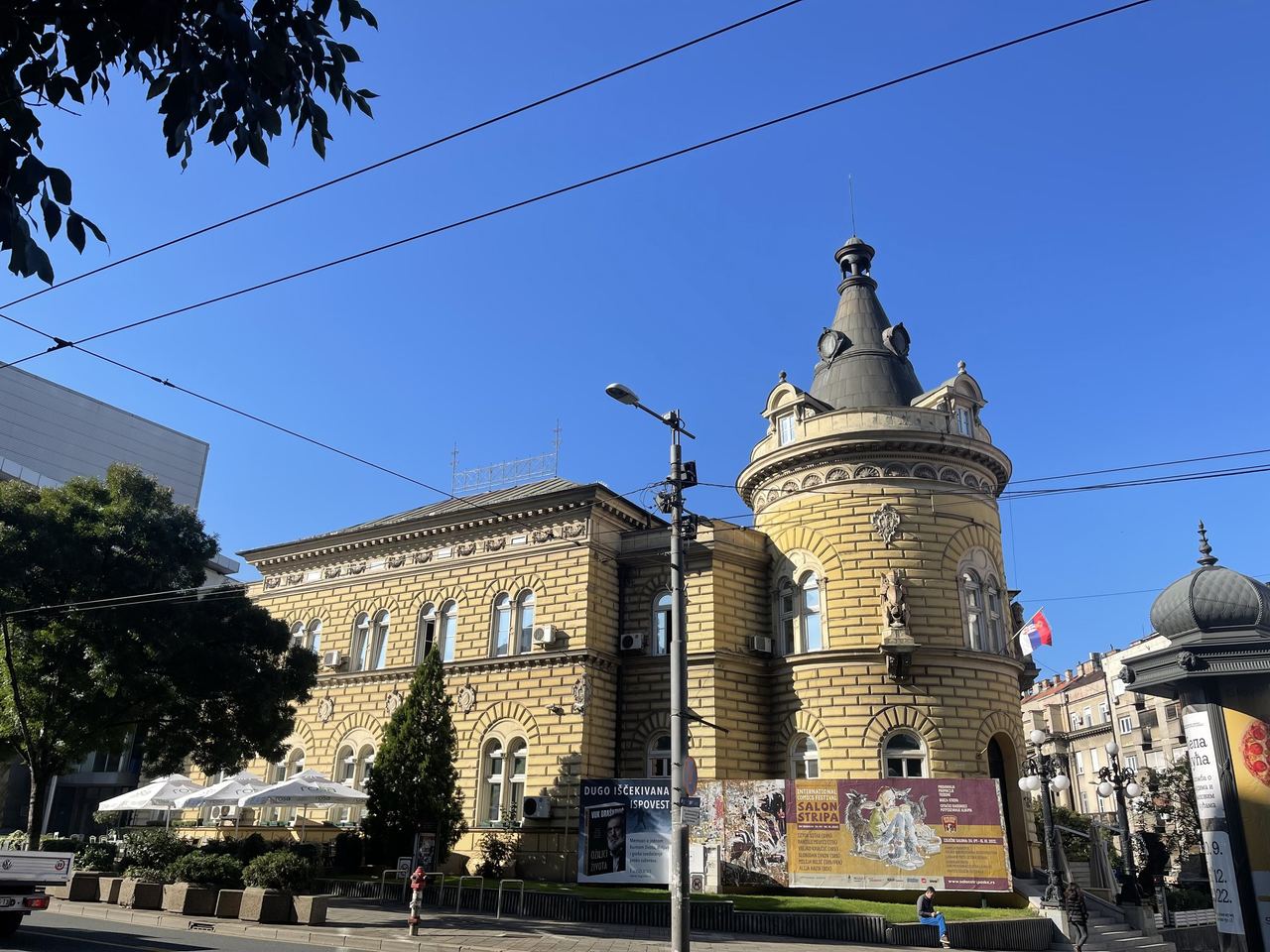
Photo Credit
Image courtesy of © Aleks1212 · CC BY-SA 4.0 via Wikimedia CommonsThe new wave: Idoli, Šarlo Akrobata and Električni Orgazam
At the end of the 1970s Belgrade found its own sound. The new wave, championed by the Belgrade magazine Džuboks, worked hand in hand with conceptual art and pop art, and SKC was its stage: in June 1980 Šarlo Akrobata played a run of free concerts there that critics later saw as the heart of what they called the Belgrade alternative scene.
Video Credit
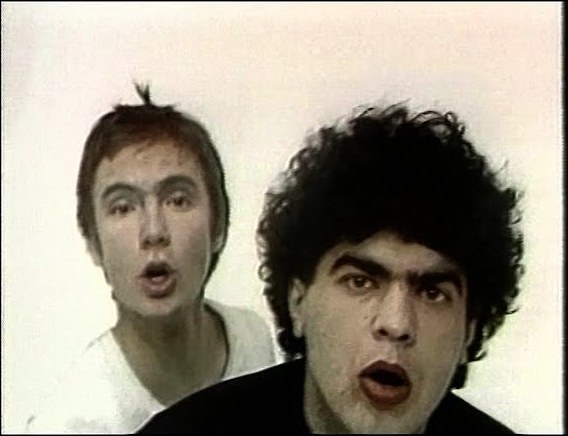
Video © Croatia Records · plays from YouTube, which may set its own cookies once it startsOn 18 February 1981 Jugoton released Paket aranžman, a compilation that introduced three Belgrade bands at once: Idoli, Šarlo Akrobata and Električni Orgazam. Recorded at the Druga Maca studio in 1980, with a sleeve by Branko Gavrić, it was later voted the second-best Yugoslav rock album of all time, after Idoli’s own Odbrana i poslednji dani. Idoli’s video for Maljčiki played with the look of Soviet socialist realism.
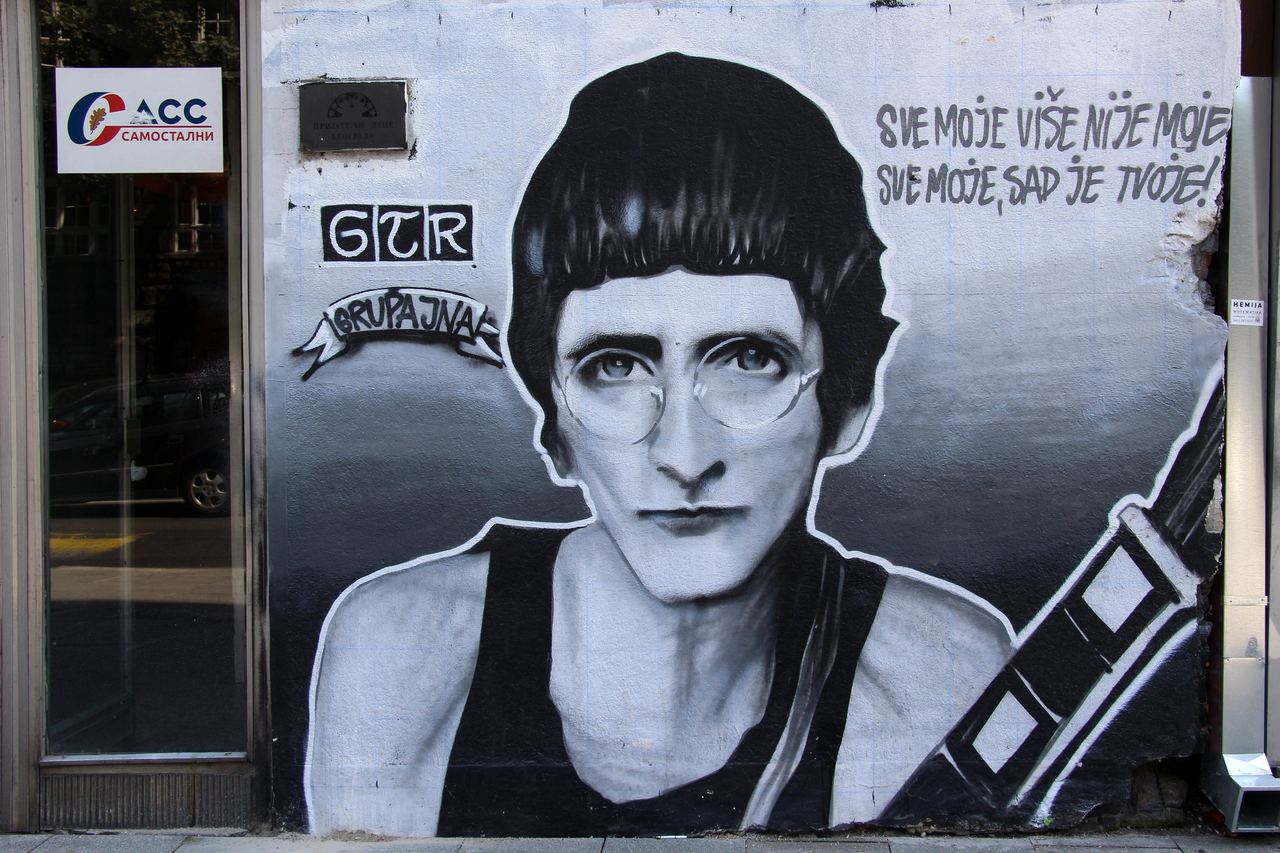
Photo Credit
Image courtesy of © Fred Romero · CC BY 2.0 via Wikimedia Commons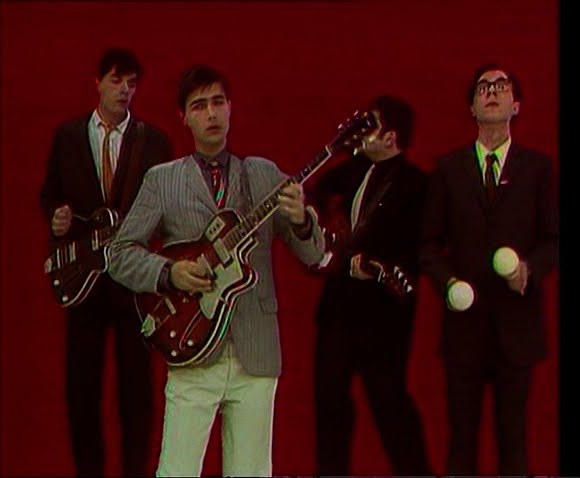
Video Credit
Video © Croatia Records · plays from YouTube, which may set its own cookies once it startsŠarlo Akrobata split in 1981. The next year its singer and guitarist Milan Mladenović formed Ekatarina Velika, first called Katarina II, and Dušan Kojić formed Disciplin A Kitschme. EKV became one of the great bands of Yugoslav rock: in January 1987 it played six sold-out nights at Dom omladine. Mladenović died in Belgrade on 5 November 1994, aged 36, and in 2011 the square outside Dom omladine was named after him.
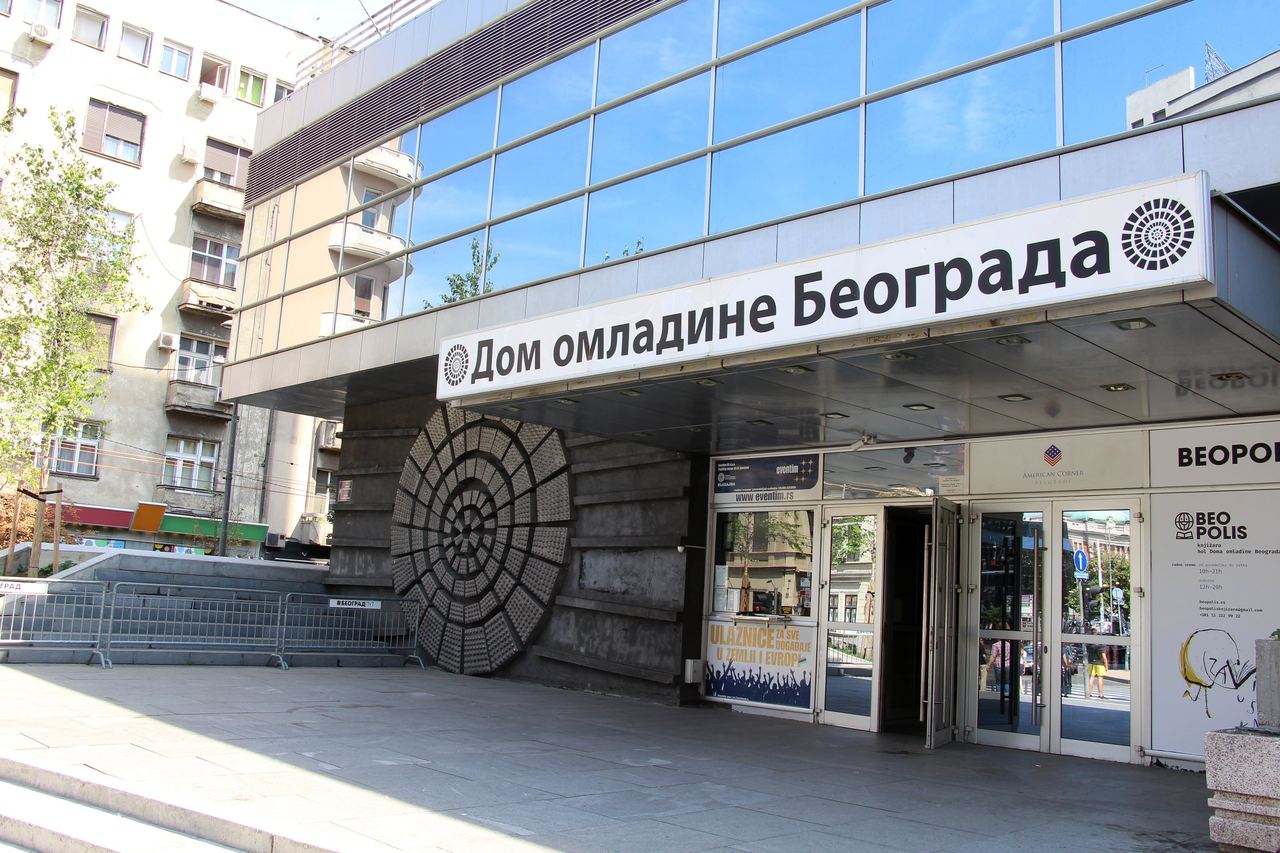
Photo Credit
Image courtesy of © Fred Romero · CC BY 2.0 via Wikimedia Commons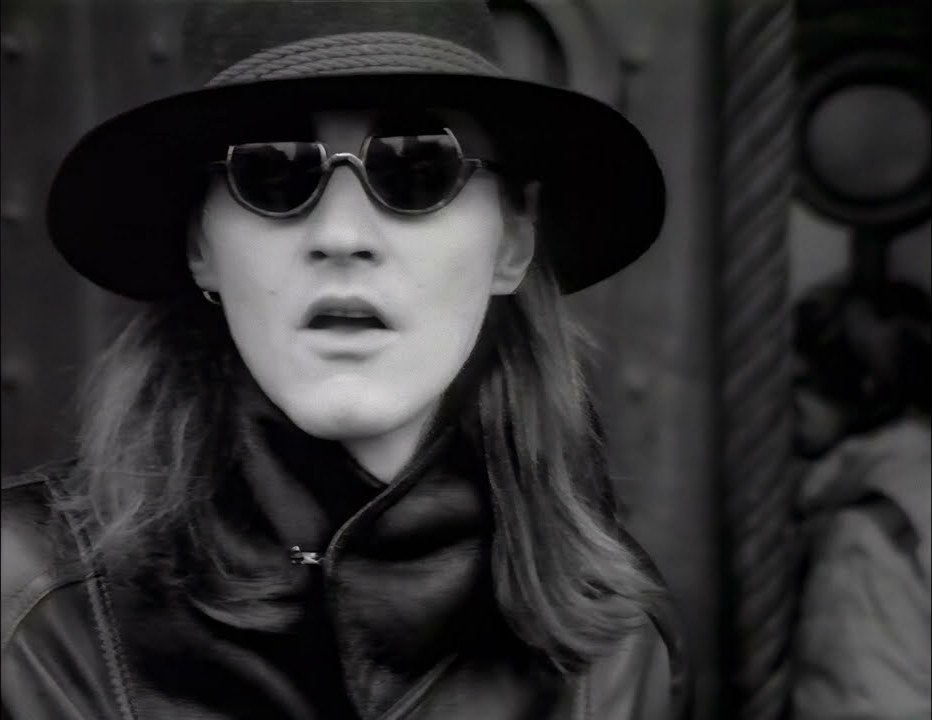
Video Credit
Video © Ekatarina Velika · plays from YouTube, which may set its own cookies once it startsAkademija, Industrija and the techno years
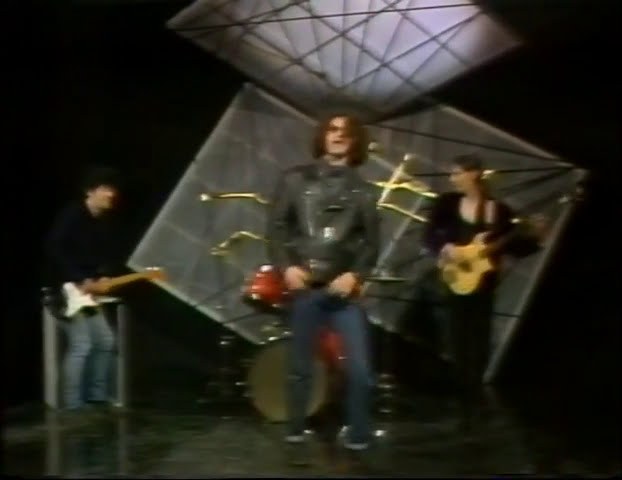
At the end of 1981 a club opened in the basement of the Painting Academy’s gallery at Knez Mihailova 53. Akademija became the cellar of the new wave: the first line-up of Ekatarina Velika played there, as did Električni Orgazam, Partibrejkers and Psihomodo Pop. It stayed open for three decades and closed in 2011. Zvezda opened across the street in 1983, and Zoran Modli was the best-loved DJ of the decade.
Video Credit
Video © Električni Orgazam · plays from YouTube, which may set its own cookies once it startsIn a hard decade for the country, Belgrade turned to electronic music. Industrija opened in 1994 in the former boiler room of the Faculty of Philosophy on Vasina Street, and it brought guest DJs such as Moby, Mark EG and DJ Hell to the city alongside local names, among them Gordan Paunović, Vlada Eye, Mark Wee and Deki S.T.R.O.B. The house and techno culture that grew there still shapes the city’s clubs.
By 2021 more than 200 cafés, restaurants and discos floated on Belgrade’s rivers.
The splavovi: Belgrade’s floating clubs
The river clubs began with restaurants. Dijalog opened on a boat at Ušće in the late 1970s, and in 1983 Argument opened on Ada Ciganlija, the date chroniclers give for the birth of the splavovi; Hua Hua followed the same year. Savski Galeb opened on the Sava Quay in 1987, and in 1988 Pingvin became the first barge built as a disco.
From the summer of 1996 the barges spread along the Sava to Staro Sajmište, and by the 2010s they lined almost 15 km of the river. By 2021 there were more than 200 cafés, restaurants, kafanas and discos on the water. They are Belgrade’s most famous nights: summer parties that start after midnight and finish at dawn, with the lights of the city on the water.
Live music: from SKC to Bitef Art Cafe
The stages of the new wave are still part of the city. SKC on Kralja Milana keeps its ground-floor club and its first-floor hall for concerts, talks and exhibitions, and KST’s garden stage still hosts the bands of the student generation. For orchestral music, the Kolarac Endowment on Studentski trg is Belgrade’s classic concert hall.
Bitef Art Cafe, open since 2001 in a former church in Dorćol beside the Bitef Theatre, is built for live music, from cover bands at weekends to international jazz and soul. Smaller rooms come and go, but the pattern holds: the city’s bands still start out in student clubs and cultural centres, as Idoli and Šarlo Akrobata did at SKC.
Belgrade after dark today
Today’s scene runs from the river to the old industrial quarters. Drugstore, the city’s best-known techno club, fills a former slaughterhouse in Palilula with all-night parties, and Barutana dances inside an 18th-century gunpowder store in the fortress walls.
KC Grad, in an 1884 warehouse, and Mladost carry on the life of Savamala; on the Sava, splavovi such as Club 20/44 and Lasta keep the river tradition going; and for the records, Leila Records sells Yugoslav vinyl with a drink.
Our advice
Our advice: Belgrade goes out late, so few clubs fill up before midnight, and the splavovi are at their best on summer weekends, when it is worth booking a table. Check each venue’s own website or Instagram for the night’s programme, and dress smart for the bigger river clubs. Walk the history in the afternoon: Kralja Milana for SKC, Makedonska for Dom omladine and Knez Mihailova for the old Akademija.
Why it's on our list
- Dom omladine, KST and SKC
- The new wave and Paket aranžman
- Akademija and Ekatarina Velika
- Industrija and the techno years
- The splavovi
- Where to go now
Location
The map comes from Google Maps, which sets its own cookies once it loads.
More in depth
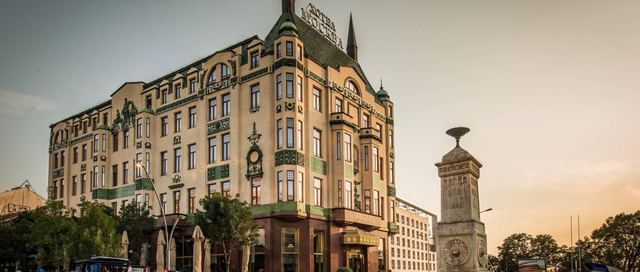 The back storyThe grand hotels of Belgrade: the back storyThe Moskva, the Metropol’s film stars, the Bristol and the St. Regis: Belgrade’s grand hotels.
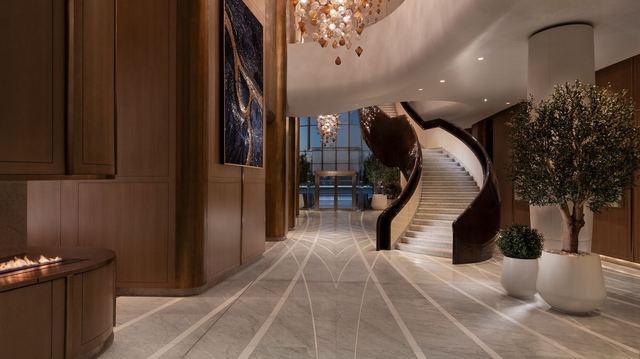 MICHELIN Guide hotelThe St. Regis BelgradeSerbia’s first St. Regis, at the foot of the twisting Belgrade Tower on the Sava, opened in 2024.
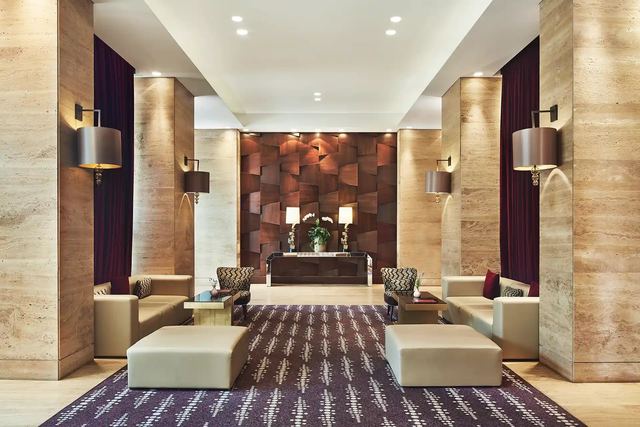 Luxury CollectionMetropol PalaceA grand hotel on Bulevar kralja Aleksandra, now part of Marriott’s Luxury Collection, with 108 rooms and 128 suites, a spa with a 25-metre pool, and The Twenty Two rooftop restaurant.