The back story
Rakija, riddles and a question mark: how Belgrade drinks, the back story
From the oldest kafana and Skadarlija to UNESCO-listed šljivovica and the cocktail courtyards.

Photo Credit
Image courtesy of © Skelanard (Aleksandr Petukhov) · CC BY-SA 4.0 via Wikimedia CommonsBelgrade drinks at the table, not the bar. Its oldest kafana is named with a question mark, Skadarlija has kept the bohemian evening alive for more than a century, and in 2022 UNESCO listed the making of šljivovica, the plum spirit. Then came the cocktail courtyards of the old town and the lager makers of Dorćol. Here is how the city learned to drink, and why its nights run so late.
A question mark by the cathedral
Belgrade’s drinking history starts at a low house opposite the cathedral whose name is a single punctuation mark. Znak pitanja (?) calls itself the oldest restaurant in Belgrade, its rooms kept as they were for more than 200 years, and the city lists the kafana among its protected cultural monuments. Order a rakija there and you are drinking in a building that has outlasted every argument made inside it.
Skadarlija’s long evening
Up the hill, Skadarlija became the bohemian quarter at the turn of the 20th century, when actors, writers and painters moved in and its taverns became meeting places for the city’s cultural names. The house of the writer and painter Đura Jakšić became a meeting point for poets, and the whole street has been protected as a cultural-historical unit since 28 July 1967.
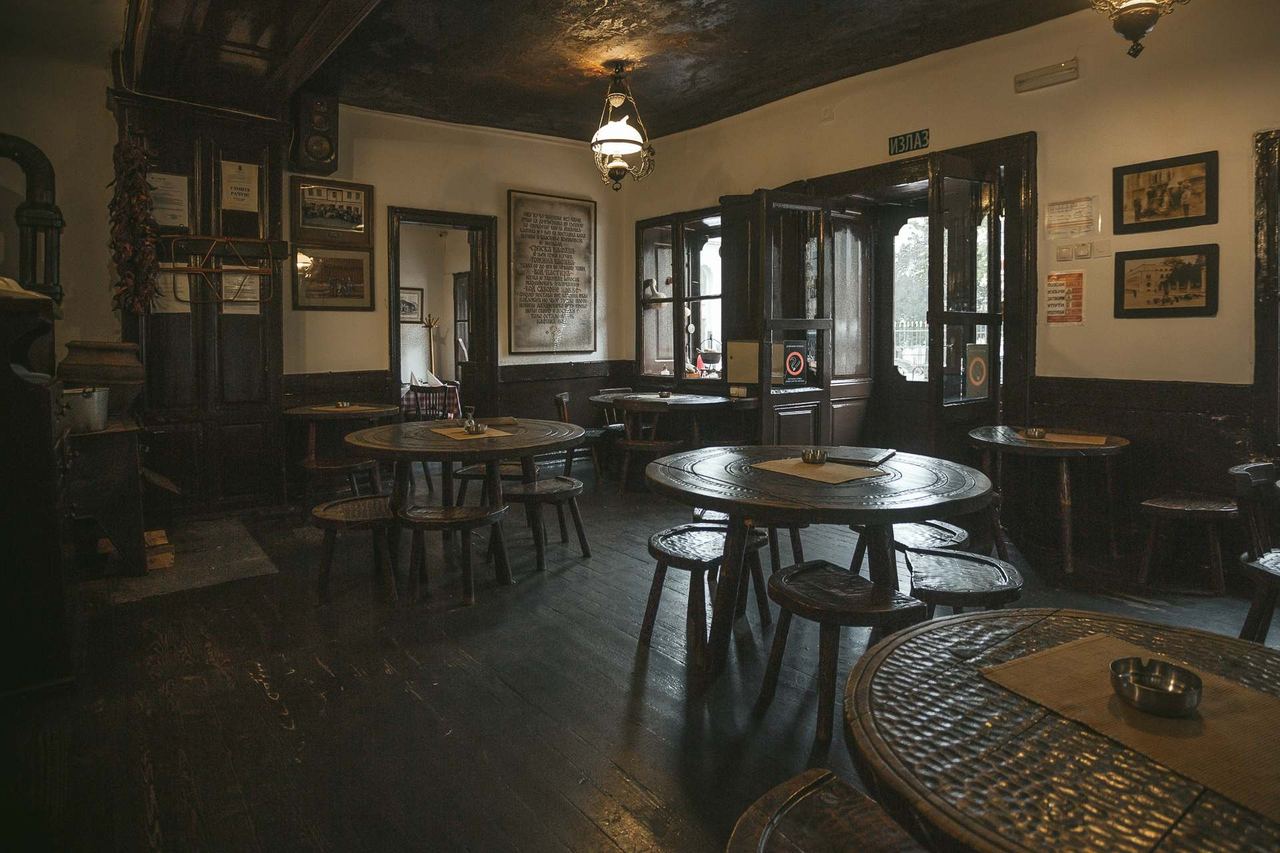
Photo Credit
Image courtesy of © Kafana Znak pitanjaThe tavern tradition explains the city’s rhythm. A kafana evening is built around a table, not a bar: food arrives in waves, the musicians work the room, and nobody counts the hours. Belgrade’s Tourist Organisation compares Skadarlija to Montmartre, which is fair, provided Montmartre’s painters had been fed grilled meat until midnight.
The spirit on the UNESCO list
The drink at the centre of it all now has international recognition. In 2022 UNESCO added the making and use of šljivovica, Serbia’s plum spirit, to its Representative List of the Intangible Cultural Heritage of Humanity. Plums are fermented for several weeks, distilled twice in handmade copper stills and aged in oak for at least a year, then raised in toasts, mulled in winter and, in folk medicine, even used as an antiseptic.
Rakia Bar, which opened in 2006, was built on a simple rule: fine fruit distillate is always drunk with meze. It is the gentlest way in, with well over a hundred rakijas to choose from and tasting flights for beginners. Sip, never down: a good šljivovica rewards patience, and punishes the opposite with interest the next morning.
Courtyards, riddles and storybooks
The cocktail bars took over the old town’s side streets and courtyards. Bar Central on Kralja Petra is the classic address, with a list that runs to hundreds of drinks; on Kapetan Mišina, Bitters Bar hides a tree-shaded garden behind its gate, with Lady Scarlet a few doors away. Noble Roots, beside the National Theatre, tells the story of each signature drink in an illustrated menu, like pages from a storybook.
Drinking in Belgrade was always social before it was alcoholic.
Riddle Bar, in Skadarlija, goes one better and has no menu at all: describe what you like and the bartender makes it for you. It is the old kafana courtesy in a new suit, the house deciding what is good for you, with rather more ice.
Lager, craft and a creative yard
Beer has its own revival. On Dobračina, Gvint Brewery has been, since 2018, the only craft brewery in Serbia devoted exclusively to lagers, and its taproom shares the yard with Dorćol Platz, the art space open since 2016. Krafter pours from Serbian breweries such as Kabinet, Dogma, 3BIR and Majstor Šara, and Gunners Pub keeps 16 beers on tap and more than 80 in bottles.
Why the nights run long
Why do Belgrade evenings run so late? Because drinking here was always social before it was alcoholic: a table, something to eat, music and company, with the glass as a reason to stay. The new bars kept that, from Mladost’s two bars in one in Savamala and Leila Records’ vinyl to the sunset jazz at Diverzija and the smoky cocktails of Tyman na Vodi by the Sava.
Our advice: start with a tasting flight at Rakia Bar, eat and listen to the music in Skadarlija, then take a nightcap at Riddle Bar or Bitters Bar. Book Skadarlija tables at weekends, and drink rakija the Serbian way, slowly and with food.
Why it's on our list
- A question mark by the cathedral
- Skadarlija’s long evening
- The spirit on the UNESCO list
- Why the nights run long
Location
The map comes from Google Maps, which sets its own cookies once it loads.
More in depth
 The back storyBelgrade After Dark: River Clubs, New Wave and TechnoFrom student cellars and the new wave to river clubs and a techno slaughterhouse: Belgrade by night.
 The back storyBelgrade’s Splavs: Six Decades on the RiverSix decades of the floating clubs: weekend rafts, 1990s nights, the clearances and what comes next.
 The back storyThe grand hotels of Belgrade: the back storyThe Moskva, the Metropol’s film stars, the Bristol and the St. Regis: Belgrade’s grand hotels.