In depth: profile
Ilija Milosavljević Kolarac
The grain and salt merchant who left his fortune to knowledge, and gave Belgrade its concert hall.
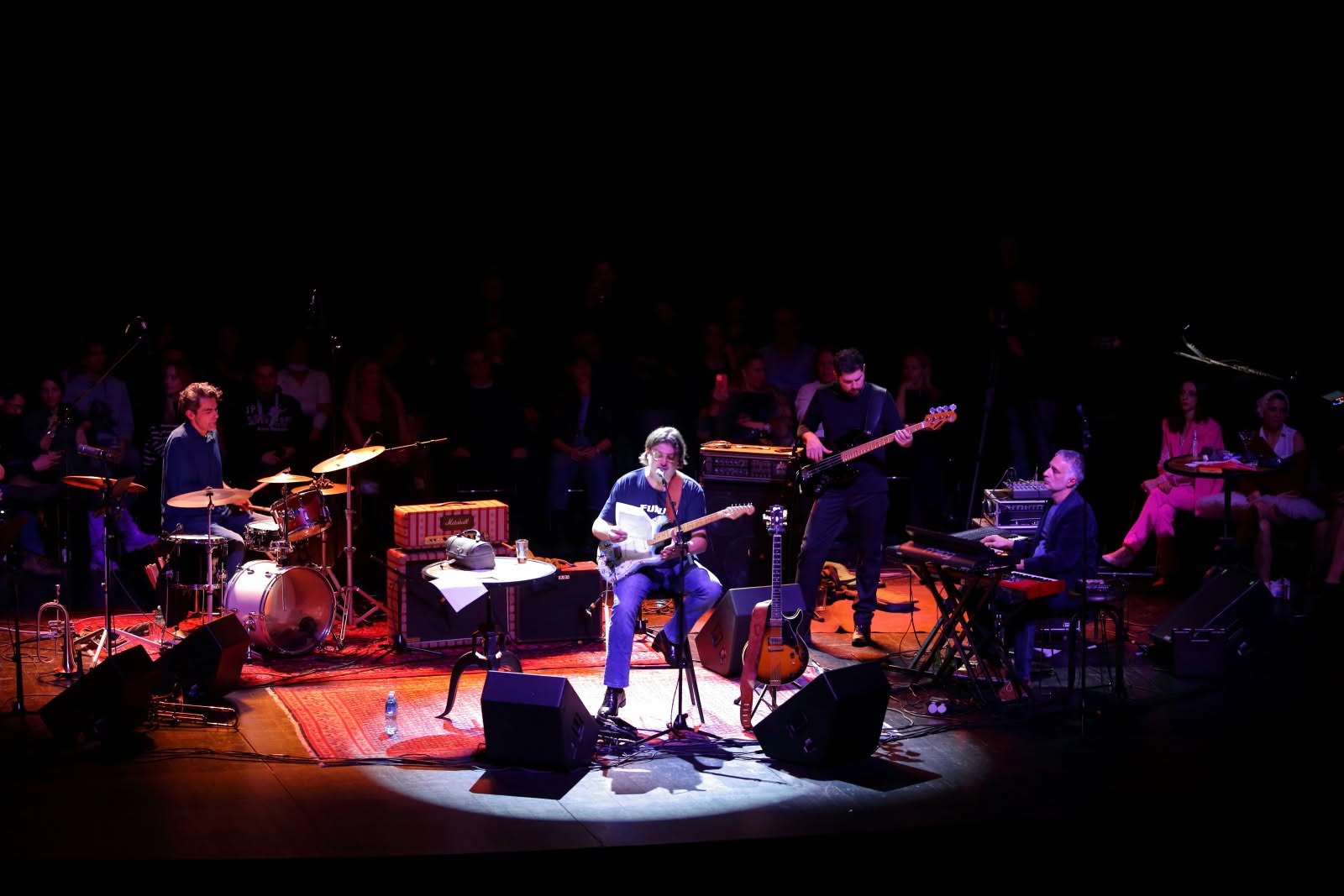
Photo Credit
Image courtesy of © Kolarac EndowmentIlija Milosavljević Kolarac rose from a village apprentice to one of the richest merchants in Belgrade, and left his whole fortune to “science, culture and knowledge”. His endowment built the Kolarac building on Studentski trg, opened in 1932 with a concert by the Belgrade Philharmonic, and it is still the city’s classic concert hall and a people’s university.
From Kolari to Belgrade
Ilija Milosavljević was born in 1800 in Kolari, a village near Smederevo, and Belgrade named him after it: Kolarac, the man from Kolari. He served his apprenticeship in Vršac and came to Belgrade in 1817, opening his first shop in what is now Dubrovačka Street.
He built his fortune step by step. From 1828 he traded grain and pigs from Pančevo across the river; after 1856 he moved into salt and saltpetre. By the end of his life he was a very rich man.
A merchant who read
He was also a patron of books. In 1861 he founded the Literary Fund to pay for the publication of books in Serbian, and among the books he paid to have printed was a Serbian translation of The Count of Monte Cristo. In his will of 1877 he left the fund 10,000 ducats.
His second will, of 1878, went much further. He left everything to “science, culture and knowledge”, with the aim of founding a Serbian university. He died that year, on 6 October by the old calendar, at his house near the Stambol Gate.
The building on Studentski trg
It took half a century for the endowment to build its home. Between 1929 and 1932 the architect Petar Bajalović raised the Kolarac building on Studentski trg, a hall of 4,500 square metres. The concert hall was designed first, and it shows: the endowment calls it the most acoustic music venue in Belgrade.
It opened on 4 February 1932 with a concert by the Belgrade Philharmonic, and on 19 October that year the Kolarac People’s University began its programme of public lectures. A grain merchant’s fortune had become a palace of music and ideas.
He paid to have The Count of Monte Cristo translated into Serbian. A story about a fortune put to unexpected use; he must have liked the plot.
Kolarac today
Nearly a century on, the building still does what he wanted. It is a concert hall, a lecture centre, a gallery since 1964, a foreign-language school and a publisher, and Belgraders still simply say “at Kolarac” to mean a night of classical music.
Our advice: book a concert at Kolarac, arrive early to walk round Studentski trg past Kapetan Mišino zdanje, and raise a glass afterwards to the man from Kolari.
Why it's on our list
- Born in Kolari, near Smederevo, 1800
- Founded the Literary Fund, 1861
- Left his fortune to “science, culture and knowledge”
- The Kolarac concert hall, opened 1932
More in depth
 The back storySerbian CuisineĆevapi, sarma, gibanica, kajmak and proja: the dishes of Serbia and where to taste them.
 The back storyFrom the džezva to the flat white: Belgrade’s café culture, the back storyFive centuries of coffee in Belgrade: the first coffee house, the Moskva, the new roasters.
 The back storyRakija, riddles and a question mark: how Belgrade drinks, the back storyFrom the oldest kafana and Skadarlija to UNESCO-listed šljivovica and the cocktail courtyards.