In depth: art
Djordje Aralica
The Belgrade sculptor who turns hats, books and suitcases into monuments of steel and chain.
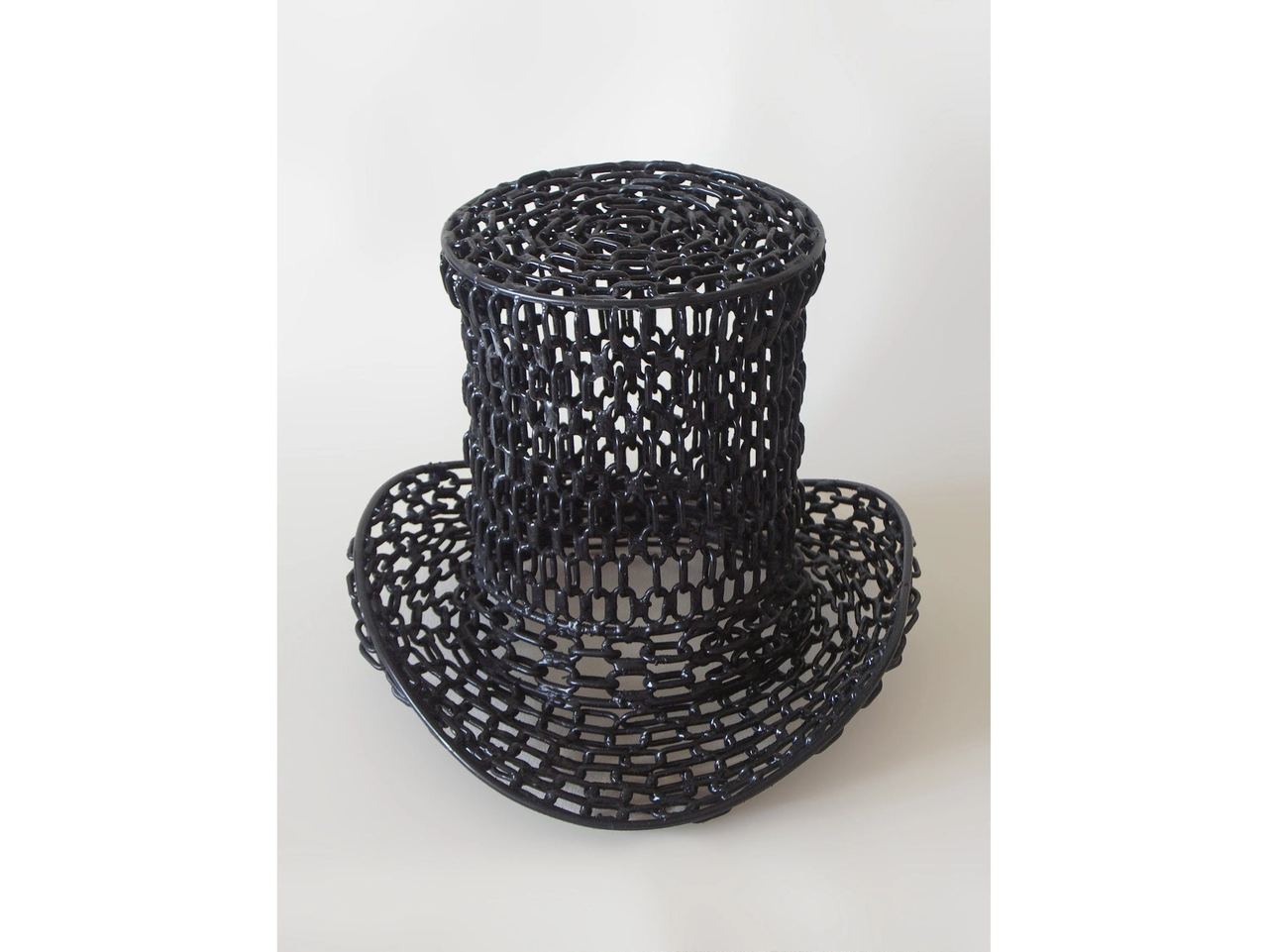
Photo Credit
Image courtesy of © Djordje Aralica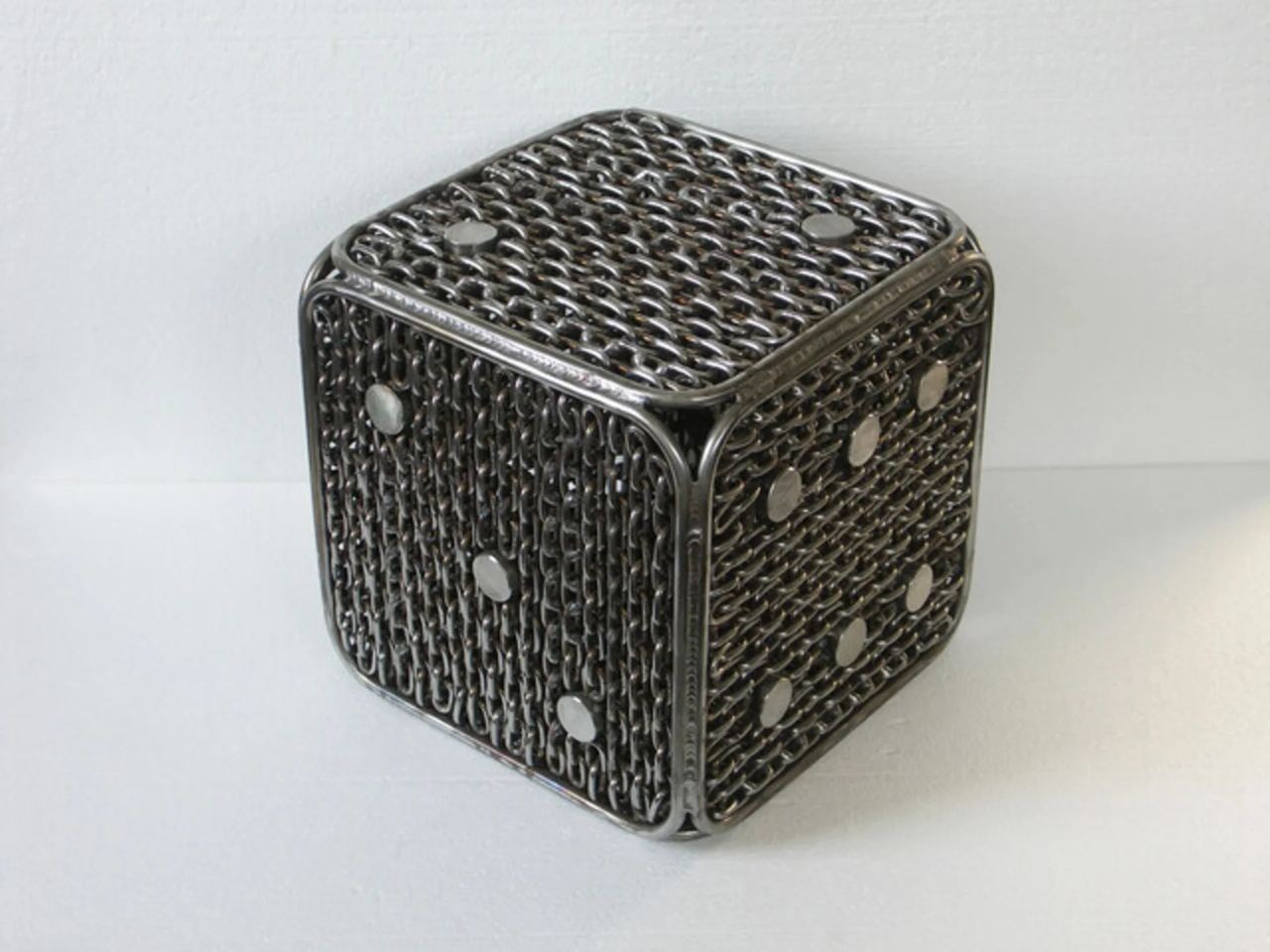
Photo Credit
Image courtesy of © Djordje Aralica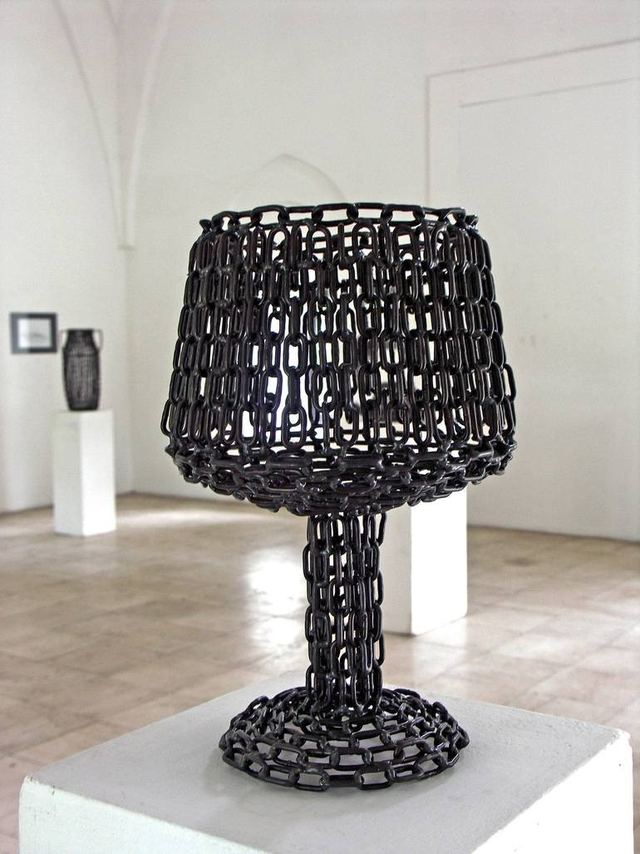
Photo Credit
Image courtesy of © Djordje Aralica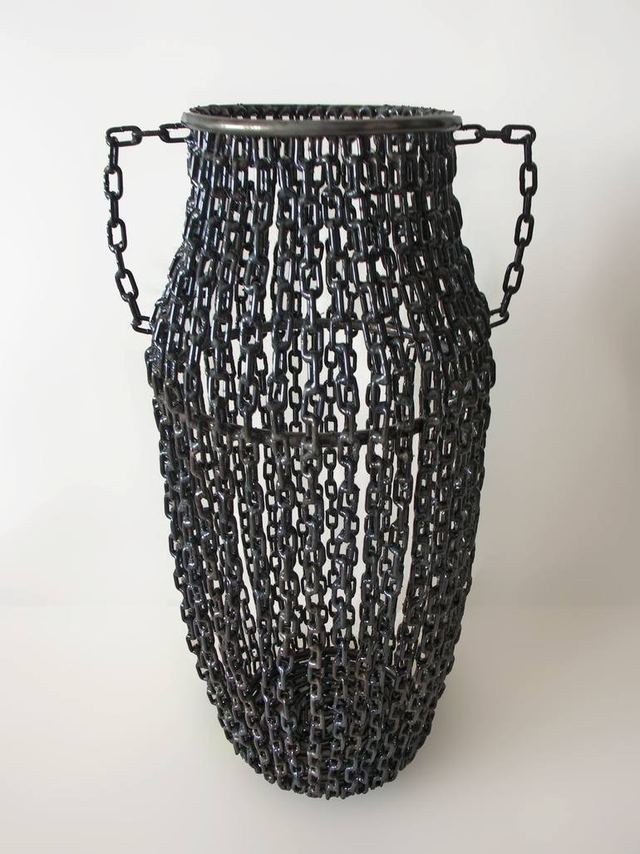
Photo Credit
Image courtesy of © Djordje Aralica1 / 4
Walk into a Djordje Aralica exhibition and the everyday suddenly feels heavy. A top hat, a handbag, a suitcase, a book on a lectern: all instantly familiar, and all rebuilt in welded steel and chain, as solid and serious as small buildings. For almost thirty years the Belgrade sculptor has followed this one idea, and it has carried his work from Belgrade’s galleries to Texas, Jerusalem and Podgorica.
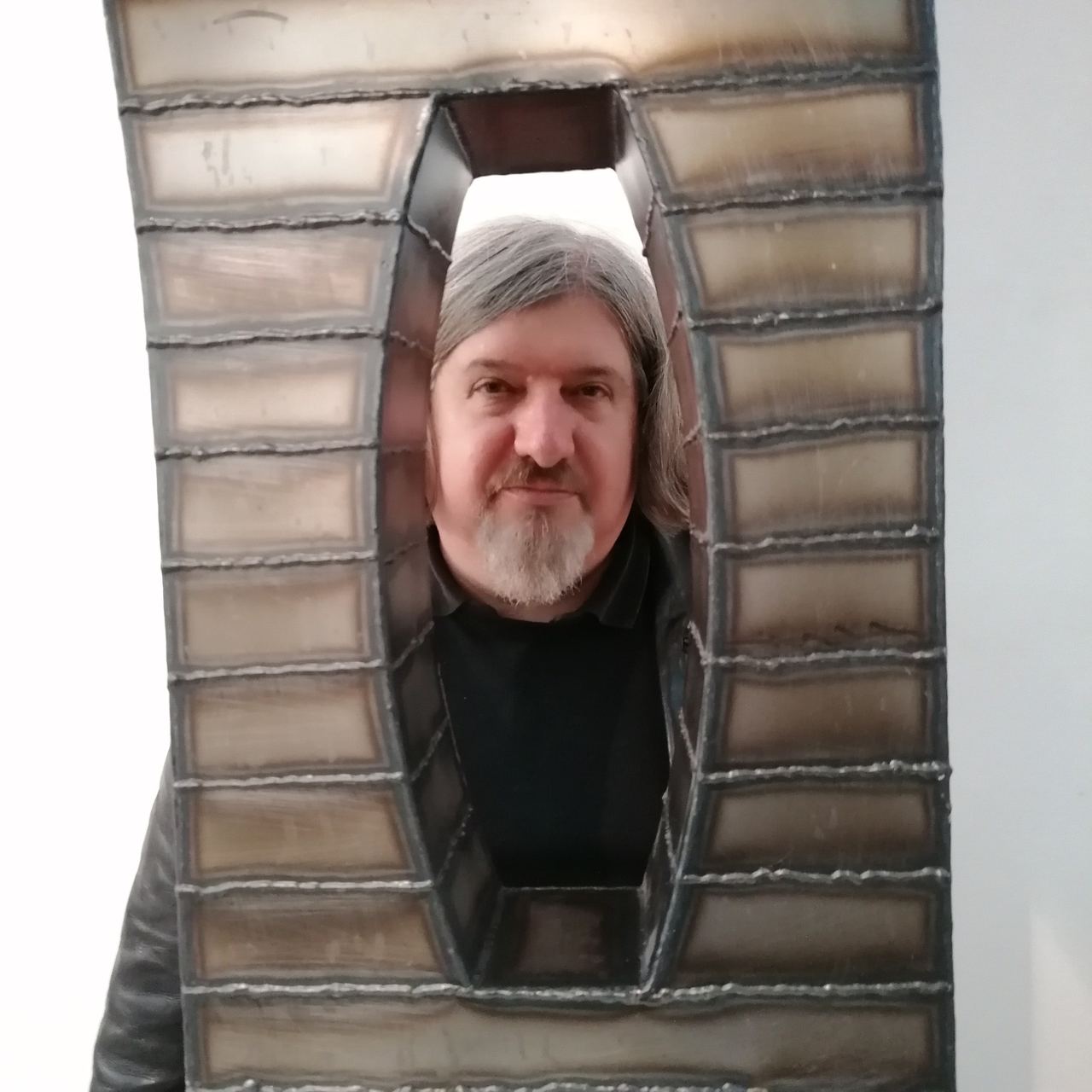
Photo Credit
Image courtesy of © Slobodan “Boba” BibićFrom Otočac to Belgrade
Aralica was born in Otočac, Croatia, in 1963 and trained as a sculptor at the Faculty of Fine Arts in Belgrade, later taking a doctorate in multimedia art at the University of Arts in Belgrade. He belongs to both of Serbia’s leading artists’ associations: ULUS for fine artists, and ULUPUDS for applied artists and designers.
Years spent in the United States and around the Mediterranean shaped him too. His sculptures are in collections in the United States, Australia, Serbia, Montenegro and North Macedonia, and in 2019–20 he received a grant from the Pollock-Krasner Foundation, one of the art world’s best-known awards for working artists.
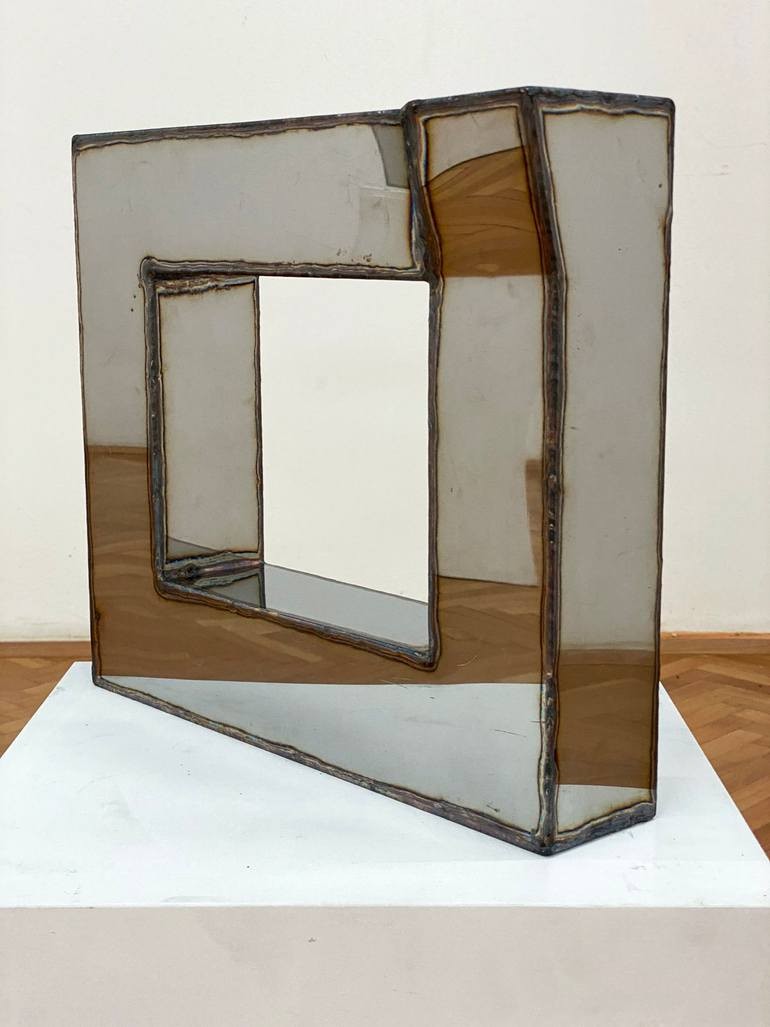
Photo Credit
Image courtesy of © Djordje Aralica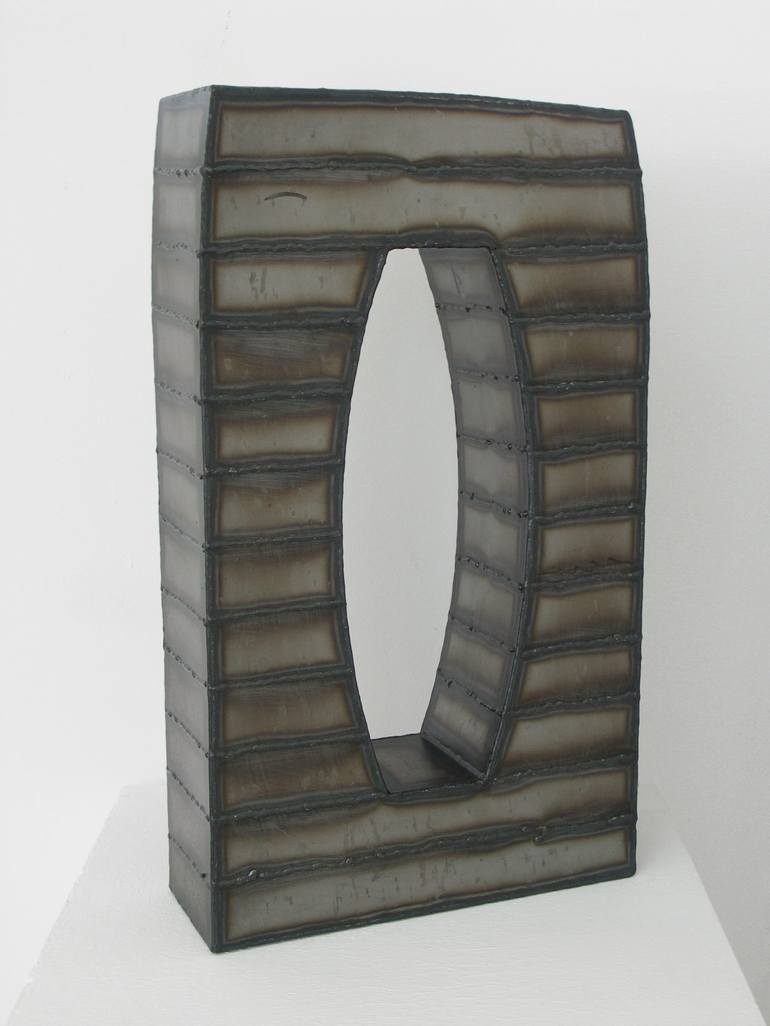
Photo Credit
Image courtesy of © Djordje AralicaObjects made monumental
What sets his work apart is that he never simply welds found objects together. Each piece is his own reading of a familiar form, made with an architect’s sense of mass and structure, so that a handbag or a hat takes on the presence of a building.
He works in terracotta, metal and stone. What interests him is the relationship between sculptural form, material and space, and the frequent contradiction between the permanence of sculpture and the fleeting context of the modern world.
Chain is the signature. Woven link by link into a hat, a lamp or an hourglass, it turns something light and familiar into something weighty and permanent, and it catches the gallery light beautifully. The titles of his shows tell the story: The Weight of Chains, Chain Effect, Chain Loop and Chain Linking.
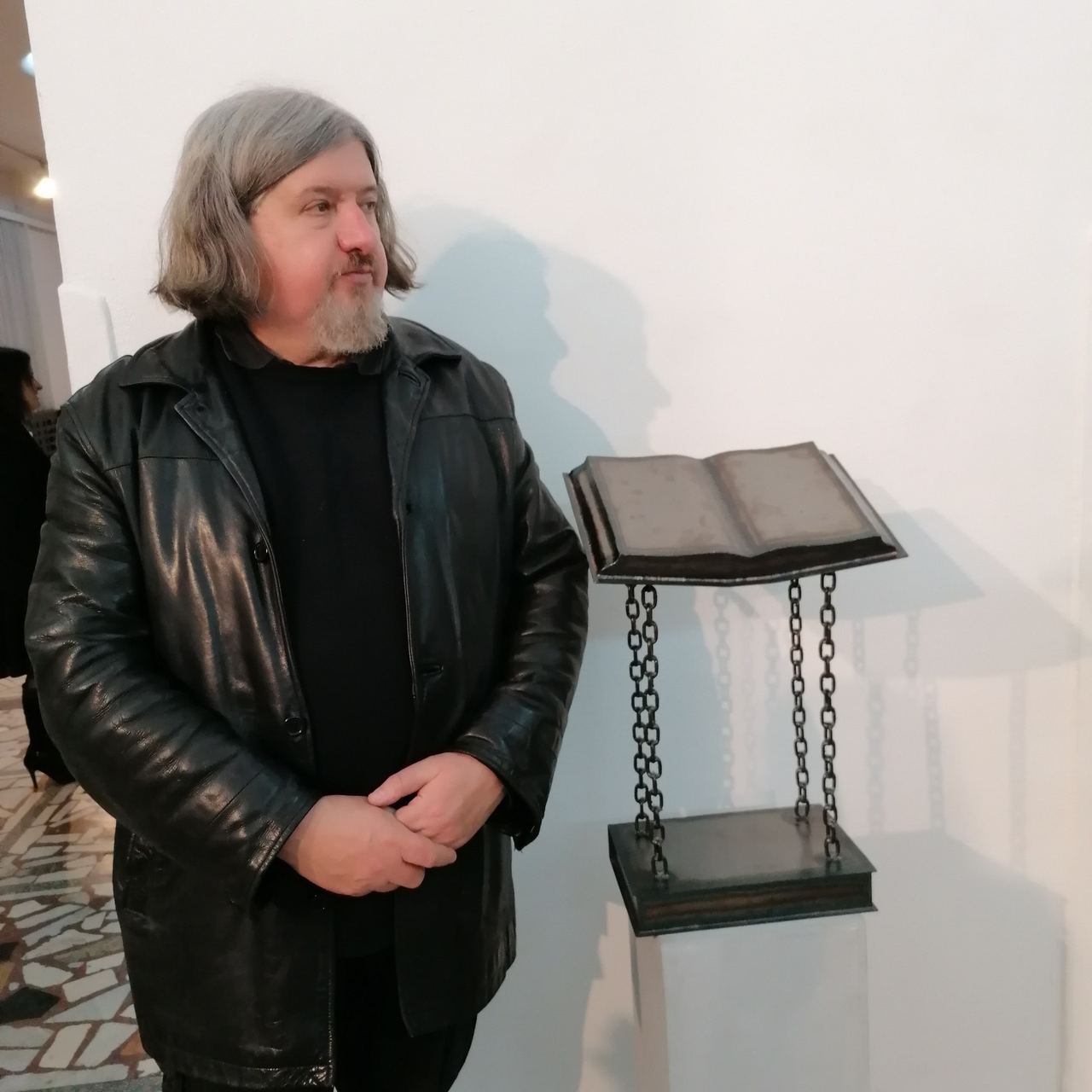
Photo Credit
Image courtesy of © Slobodan “Boba” Bibić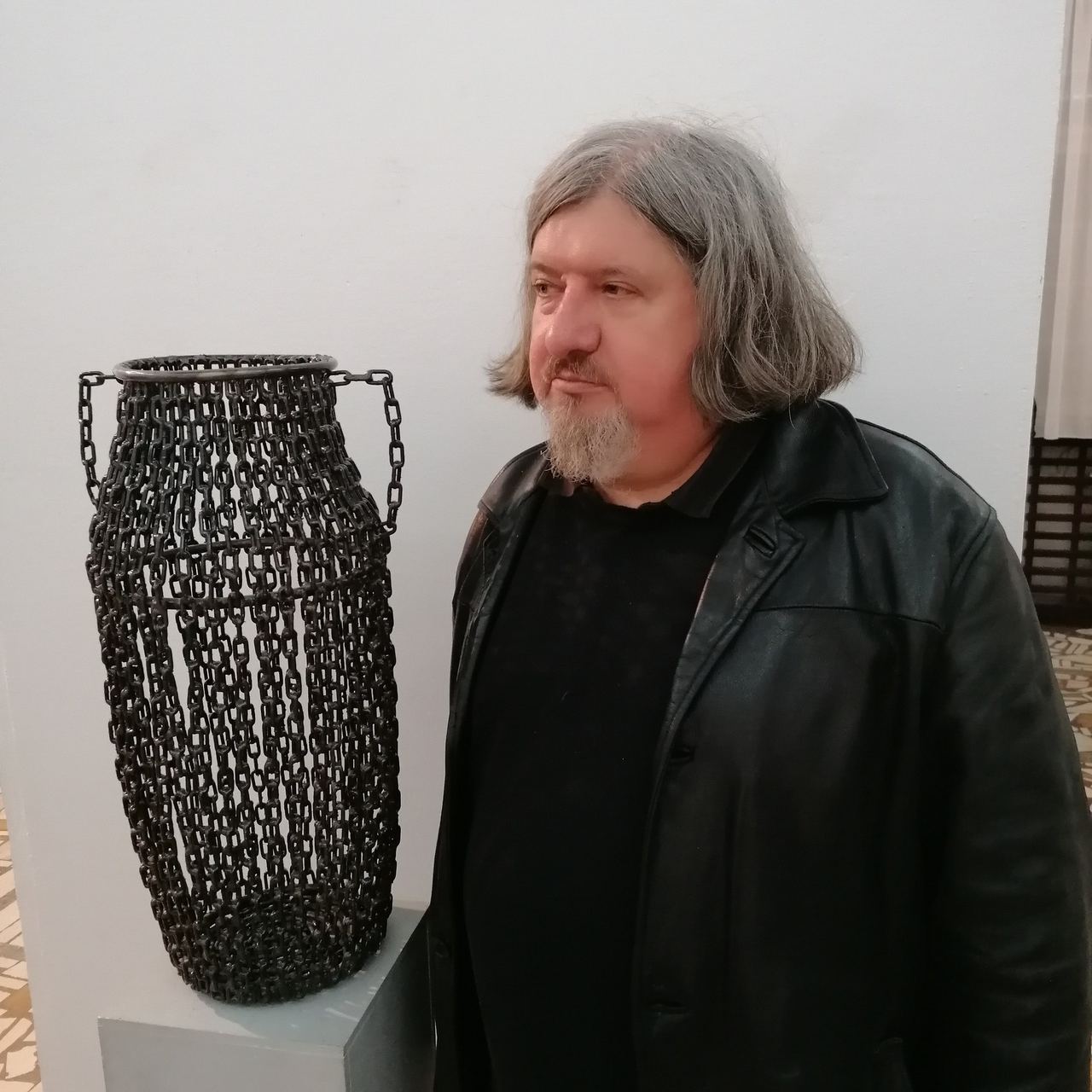
Photo Credit
Image courtesy of © Slobodan “Boba” BibićHats, books and hourglasses
Some subjects keep coming back. Hats starred in Mind Your Hat at the ULUS Gallery in 2015 and in Tower Hat at Golubac Fortress in 2020; books in Ad Libris at Gallery Beograd in 2013; and luggage in a run of shows from City Luggage in 2010 to Wheels and Suitcases in 2013 and Sculpture Wagon in 2022.
“As a rule, I am interested in the objects of everyday life, which appear to be surprisingly uniform wherever you go.” Djordje Aralica
Alongside them come hourglasses, sculptures drawn from the shapes of sport, from football to water polo, and pieces of welded steel and glass that fold around open space like small pieces of architecture. Seen together, they have a wit that the weight of the steel never quite hides.
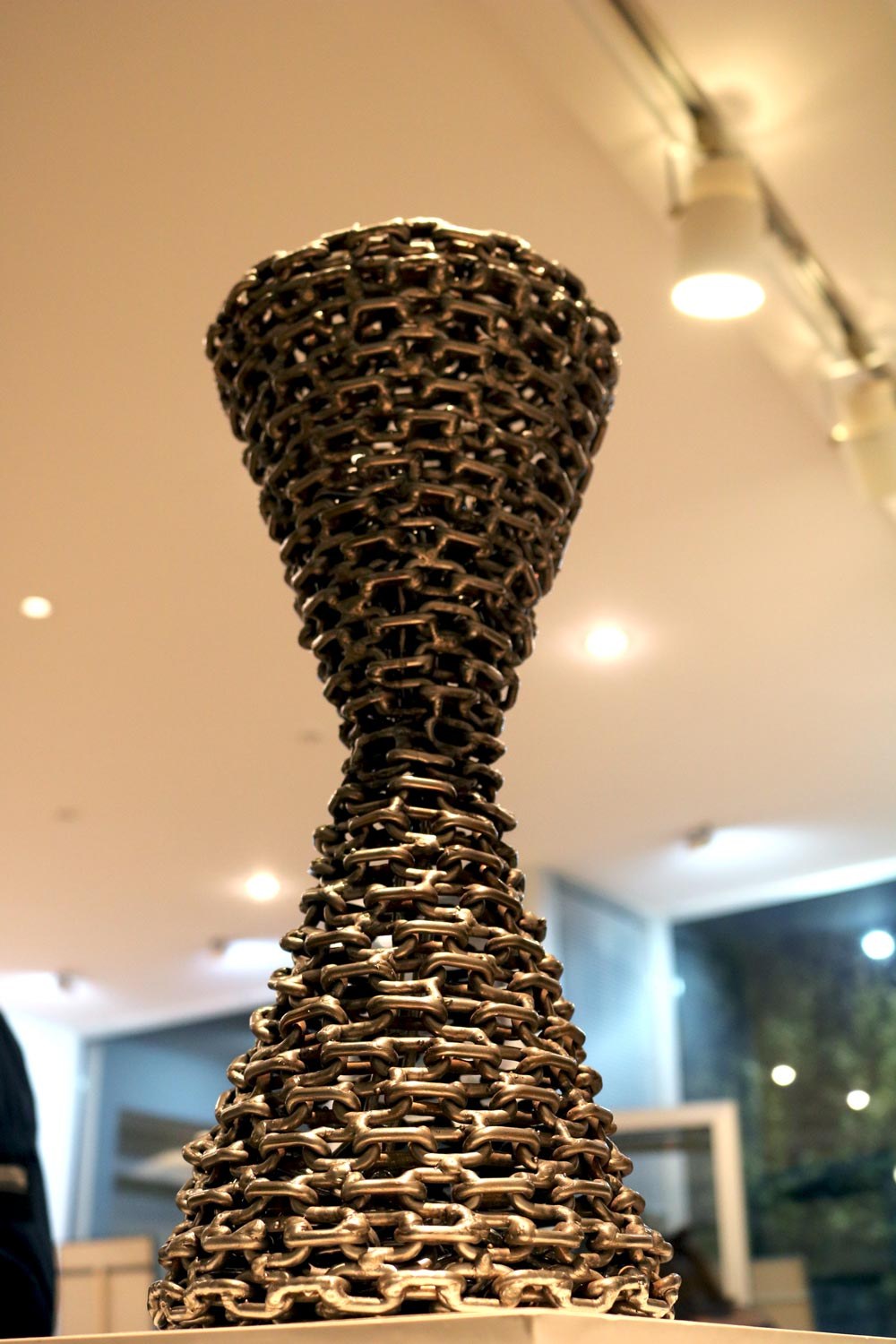
Photo Credit
Image courtesy of © Djordje Aralica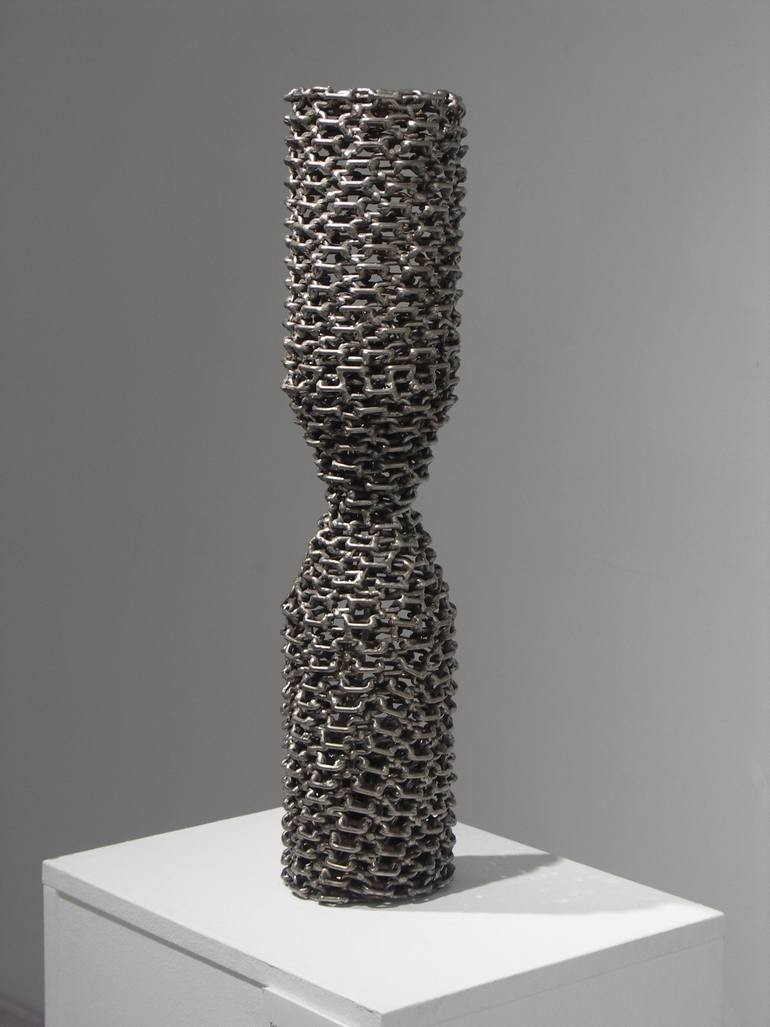
Photo Credit
Image courtesy of © Djordje Aralica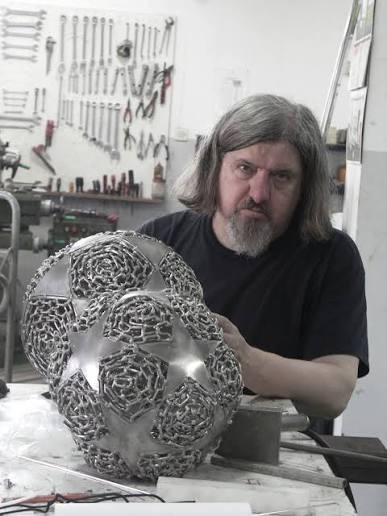
Photo Credit
Image courtesy of © Djordje AralicaIn his own words
“Usually, the place where I live at any given moment, with its daily routines, dictates the choice of my subject matter. As a rule, I am interested in the objects of everyday life, which appear to be surprisingly uniform wherever you go. In my work, they unite collective and personal experience.
“I never recycle real objects in a manner of an assemblage, but rather present my own associative, monumentalized interpretation of their form. My choice of medium and mode of craftsmanship both suggest underlying narrative context, but also provide monumental quality of architecture to my works.
“My objects are reduced to a gallery format, but I see them as large-scale urban sculptures evocative of common human activities.”
A Zemun and Belgrade presence
Aralica is a familiar figure on Belgrade’s gallery scene. His work has been shown at the Ilija M. Kolarac Endowment, the ULUS Gallery, the City Library’s Atrium Gallery and the House of King Peter I, and in Zemun at the Stara Kapetanija gallery on the quay in 2016 and Galerija Ikar in 2020.
His shows are worth seeking out if you enjoy art that plays with the ordinary: a single hat or suitcase in steel can hold a whole room, and the detail of the chain work rewards a close look.
Our advice: follow the programmes of the ULUS Gallery, Galerija Ikar in Zemun and the House of King Peter I, where his work has been shown, and check with the gallery before you go, as exhibitions change.
Why it's on our list
- Born in Otočac, Croatia, in 1963
- Everyday objects in steel and chain
- Shown in Serbia, the US and Israel
- Pollock-Krasner Foundation grant, 2019–20
Location
The map comes from Google Maps, which sets its own cookies once it loads.
More in depth
 In depth: artVladimir VeličkovićThe Belgrade-born painter of the body in motion, a member of the Académie des beaux-arts in Paris.
 In depth: artMarina AbramovićBorn in Belgrade in 1946, she became the world’s most famous performance artist.
 Eagles, horses and idolsJelena Bibić: the painter known as JekaThe Belgrade painter known as Jeka: eagles, horses, her IDOL portraits, Tesla and her heroes.