ULTIMATE Life Coaching
Weddings: the happiest day of your lives… or is it?
He wants a big family do; you want a beach. How couples can meet in the middle, starting today.
ⓘ Photo
Image courtesy of © softmarmotte / UnsplashHe wants a large family affair; you’d prefer a few friends and a beach. Planning a wedding brings differences to the surface. Here is how couples can resolve them, an exercise to try together, and skills that last long after the confetti.
A Serbian wedding is rarely small. There is the kum and the kuma, a brass band, a first dance that turns into an all-night kolo, and relatives from three countries who all expect to be asked.
Weddings! The happiest days of our lives… or are they?
Picture the kitchen table at ten at night: two cold cups of tea, a stack of venue brochures, a spreadsheet nobody wants to open, and two people who love each other very much, not speaking.
He wants a big family affair; you’d love a few friends on a beach. You want relaxed and informal; he wants tradition. He has eight nieces and nephews and fancies bridesmaids and page boys for all of them. It drives you to distraction!
Why weddings stir things up
A wedding is never just a party. Two families, two sets of traditions, parents’ hopes, a budget and a great deal of emotion all arrive at once. Old anxieties surface too. No wonder a table plan can feel like a summit.
Listen, don’t judge
Listen to your partner’s needs, fears and hopes: not judging, just listening. Then say back what you heard: “So the big day matters to you because…” The real reason is often not what you assumed. Whether you are marrying or entering a civil partnership, it’s not about having differences; it’s about how you resolve them.
Think of a Belgrade bride whose groom’s family come from far away. His parents imagine forty guests and a quiet dinner; hers have already counted two hundred and fifty and booked a trumpet orchestra. Neither family is wrong; they simply have different pictures of joy. Ask the couple to tell each set of parents what they love about the other family’s tradition. One side may be moved by the idea of the kum, the other charmed by the speeches. A small ceremony with both families, the big celebration in a restaurant by the Zemun Quay, and, the morning after, both sets of parents walking round Kalemegdan together. With luck, his father has learned the kolo by two in the morning.
For the engagement toast, a bottle of bermet, the sweet spiced wine of the family cellars at Sremski Karlovci, gives both families something new to share.
A helpful exercise
Swap roles for 20 minutes. Your partner argues for your small beach wedding; you argue for the big family day. Together, write down every way to make it happen, however outlandish. Then agree three tests, say: affordable, fun, and we both feel comfortable. Cross off what fails. What’s left? Perhaps a tiny ceremony by the water and a big family party in the evening.
It’s not about having differences. It’s about how the two of you resolve them.
Your top three
Each choose three “must-haves” and agree to give each other those. Everything else is open to negotiation. It’s amazing how much easier the rest becomes.
Say thank you, often
Amid all the planning, one small habit keeps couples close: telling each other, regularly and specifically, what you appreciate. “Thank you for ringing the florist.” “I loved how you made my mother laugh.” It is one of the simplest, warmest gifts in any relationship.
Try this today
1. Tonight, over supper, each write your top three must-haves on a napkin and swap. No arguing, just reading.
2. Book a wedding-free evening this week: no lists, no brochures, just the two of you.
3. Tell your partner one thing you appreciated about them today. Remember, this is meant to be fun, and it’s the best possible practice for married life.
A question to sit with
Ten years from now, what do you most want the two of you to remember about the day?
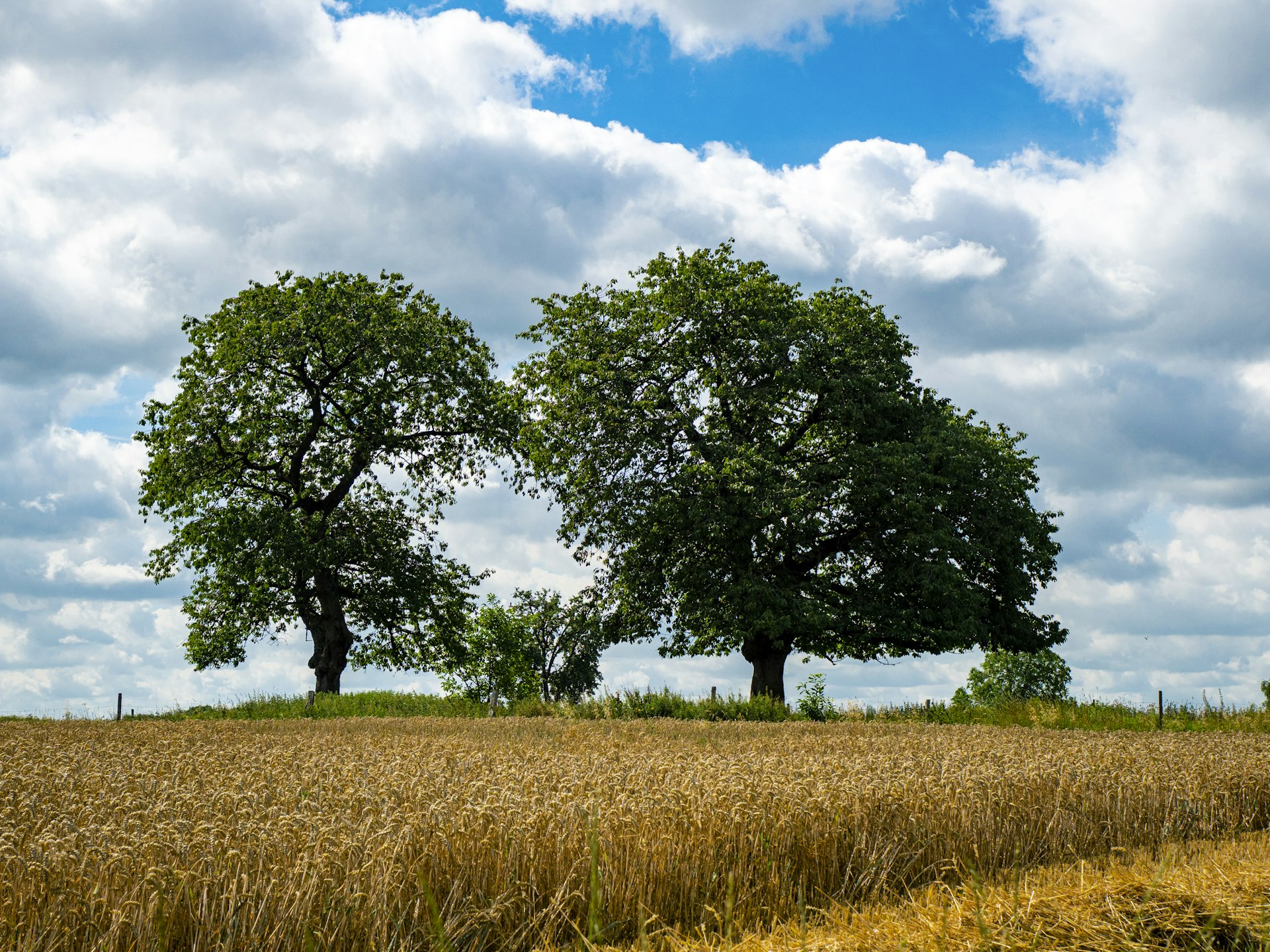
In an old Roman tale, a devoted couple were granted their wish never to be parted, and grew into two trees side by side, an oak and a linden, their branches intertwined. Long after the confetti has blown away, the skills you learn now will still be there for you both, growing deeper every year.
Before you argue about numbers, tell each other what you admire in the other family’s way of celebrating. Respect makes compromise feel like a gift rather than a defeat.
More in depth
 The back storySerbian CuisineĆevapi, sarma, kajmak, ajvar and rakija: the dishes of Serbia and where to taste them in Belgrade.
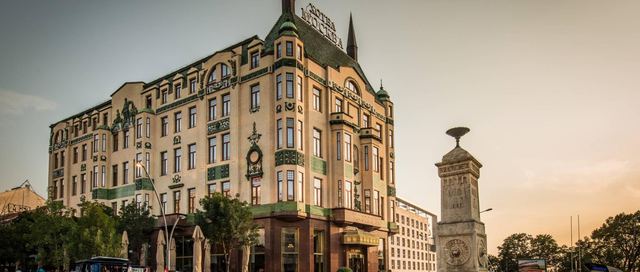 The back storyFrom the džezva to the flat white: Belgrade’s café culture, the back storyFive centuries of coffee in Belgrade: the first coffee house, the Moskva, the new roasters.
 Bohemian streetSkadarlijaBelgrade’s Montmartre: cobbles, kafana music and the house of the poet-painter Đura Jakšić.