The back story
Wild Belgrade: Eagles, Swans and the Two Rivers
White-tailed eagles over a wild island where the Sava meets the Danube, swans on the Zemun Quay and Tara's forests a few hours away: the wild side of Belgrade.
The natural side of Belgrade, from Great War Island, a nature reserve at the confluence of the Sava and the Danube where white-tailed eagles nest, to the swans of the Zemun Quay and Tara National Park, with a directory of the parks in our guide and our regional long read on Balkan wildlife.
Belgrade stands where two great rivers meet, and between them lies one of the wildest places in any European capital. Great War Island, wooded and uninhabited, sits at the confluence of the Sava and the Danube, below the walls of the fortress; white-tailed eagles nest there, and swans winter along the Zemun Quay across the water.
This is a short, honest guide to Belgrade's natural side: the islands, the rivers and the quays. For the bears, pelicans and national parks of the whole region, our Balkans long read on ULTIMATE Regions takes over.
In the middle of Belgrade, Europe's largest eagle nests on a wild island.
Great War Island
Veliko ratno ostrvo, Great War Island, where the Sava meets the Danube, has been a protected nature reserve since 2005, and almost 200 species of bird have been recorded there. Among them are nesting white-tailed eagles, Europe's largest eagle. Look out for herons, cormorants and birds of prey from the Zemun Quay or Ušće Park; in summer, a pontoon bridge leads to Lido, the sandy beach at the island's tip.
The Zemun Quay and the rivers
The long Danube promenade below old Zemun is home to the largest flock of swans in Belgrade, a lovely sight on a cold, bright morning. Ada Ciganlija, the river island turned lake in the Sava, has an 11-kilometre cycle path all the way round, and Kalemegdan Park looks down on the confluence from the fortress walls.
Feature: the eagles of the confluence
The white-tailed eagle, with a wingspan of more than two metres, is Europe's largest eagle, and it nests on Great War Island within sight of the city centre. In winter, when the trees are bare, the great birds are easiest to see, perched over the water or gliding low over the rivers. The island is a reserve: watch from the quays and the riverside paths, and leave the birds undisturbed.
Did you know? Almost 200 species of bird have been recorded on Great War Island, the nature reserve in the middle of Belgrade.
Our advice
Our advice: walk the Zemun Quay on a clear winter morning for the swans and the eagles over Great War Island, and bring binoculars. Never feed the swans bread, keep away from nesting birds in spring, and for wilder country take a day or two in Tara National Park in western Serbia.
Why it's on our list
- Great War Island
- The Zemun Quay and the rivers
- Feature: the eagles of the confluence
- Our advice
Location
The map comes from Google Maps, which sets its own cookies once it loads.
More in depth
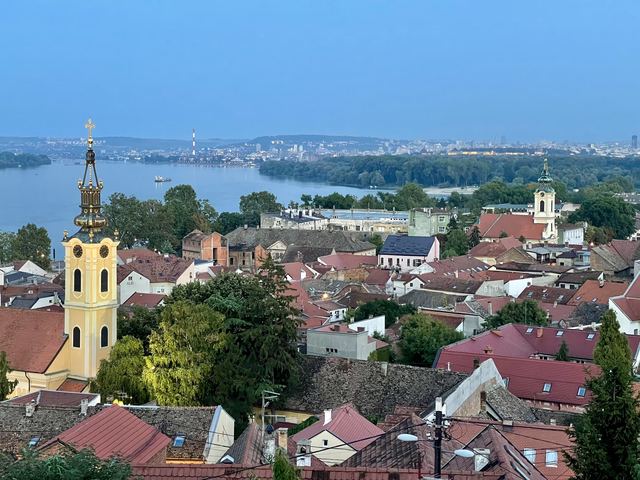 A Habsburg town on the DanubeA walk through old ZemunZemun is one of the loveliest places in Belgrade: a little Central European town of Baroque churches, pastel houses and cobbled lanes, with café-lined squares buzzing on warm summer evenings and the Danube at its feet, all watched over by Gardoš Tower on its hill above the river.Our ten favouritesTen of the best in ZemunOur ten favourite places in Zemun, from the green market and Gardoš Tower to the swans of the quay, the opera on Glavna and a Greek taverna, each with its own page in the guide.
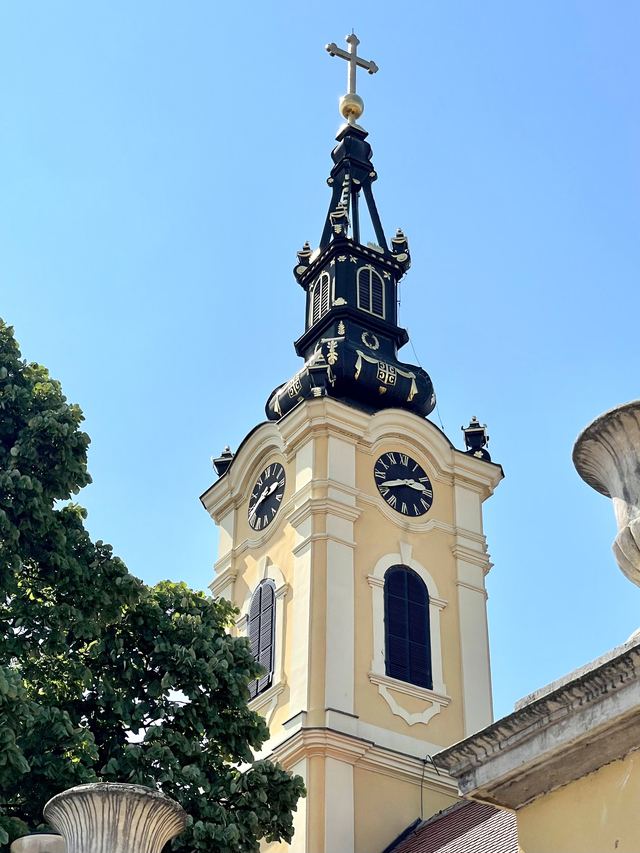 The back storyZemun’s frontier story: the quarantine, the hospital and the parkHow the Habsburg frontier town of Zemun guarded its gate: the quarantine of 1730, whose churches of 1786 and 1836 still stand in the City Park, the hospital founded in 1784, and the customs and trade of the Danube.