The long read
The weekly lunch that vanished: Belgrade’s clubs since 1928
Rotary in 1928, an archive lost to two empires, and the business club in a 1934 house.
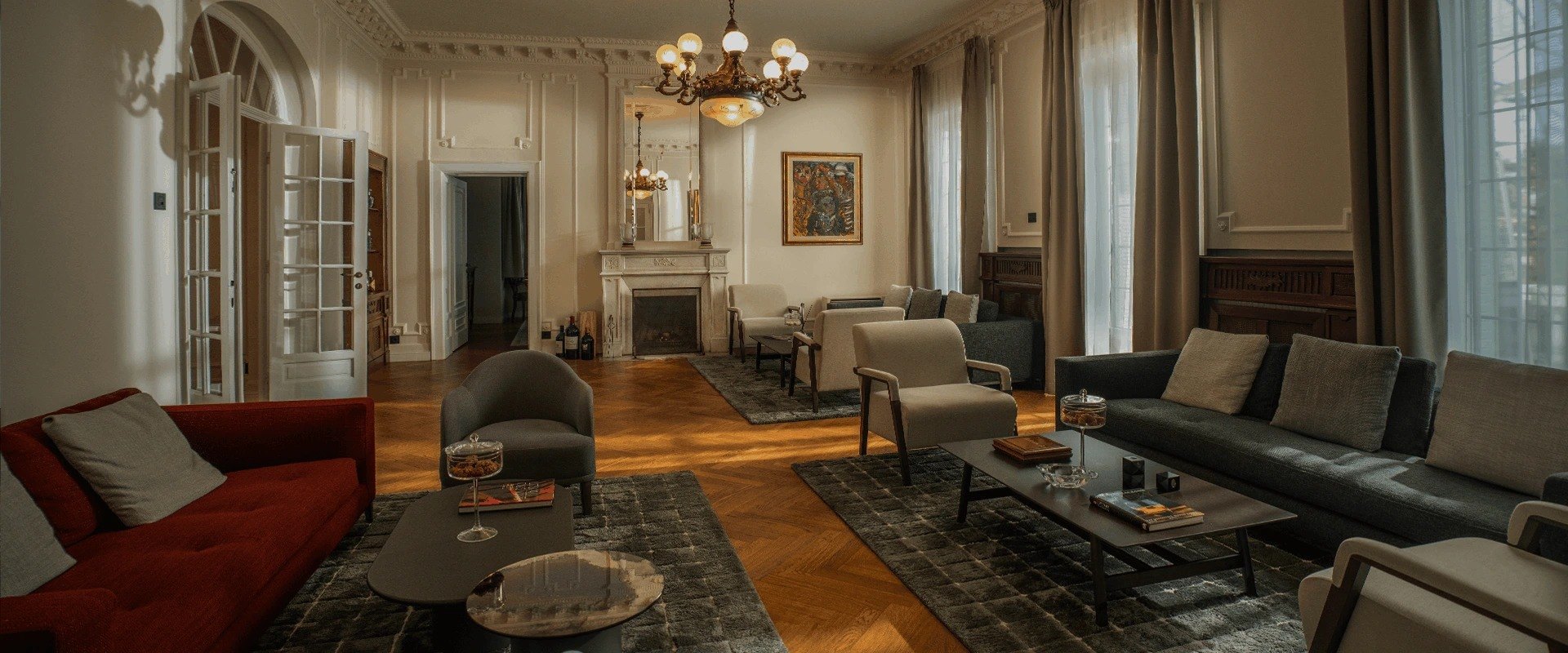
Photo Credit
Image courtesy of © Klub PrivrednikIn 1928 fifteen Belgrade men agreed to meet once a week over lunch, one per profession, and founded the first Rotary club in Yugoslavia. Their minutes went on a longer journey than any of them. Here is the story of Belgrade’s clubs, from that first lunch to the business club, the women’s bazaar and the grand lodge of today.
The lunch of 1928
Clubs arrive in a city the way good tailoring does: quietly, through a side door, and then everyone wonders how they managed without them. Belgrade’s first modern club of the international kind was organised in September 1928 by the governor of the Czechoslovak Rotary clubs, acting for Rotary’s European secretariat in Zurich. On 15 October 1928, once fifteen members had signed up, the Rotary Club of Belgrade was formally founded: the first in Yugoslavia.
The rules were strict and rather charming. A club took one member per profession, or “classification”, so that a lawyer never had to dine opposite his rival. The one exception was journalists, admitted in the plural so long as each wrote for a different paper. Members met once a week, over lunch or dinner, which is how a great deal of Belgrade business has always been done anyway.
A district of its own
Zagreb followed on 15 February 1929, and the two clubs received their charters together on 28 June 1929, which in Serbia is Vidovdan, St Vitus’s Day, one of the great dates of the calendar. In Rotary’s files Belgrade was club number 3, in district 77. The idea spread fast: Yugoslavia had 13 Rotary clubs by 1931 and 34 by 1940. Montenegro never quite got one; preparations in Cetinje and Nikšić were overtaken by the war.
Minutes that travelled
Then the lunches stopped. Rotary fell silent during the Second World War, and the district’s archive went on a journey no member could have planned: taken to Germany during the war, it later reached the Soviet Union, and was handed back on 27 August 1956. Today it sits in the Archives of Yugoslavia, catalogued as fond 99, which is a more dignified address than either of its previous ones.
The clubs themselves took longer to come home. Rotary was re-established in Serbia between 1992 and 1995, in the district that now covers Serbia and Montenegro, and the weekly meal resumed as if fifty years had been a long first course.
One member per profession, said the rules, with a single exception: journalists, so long as each wrote for a different paper.
The grand lodge and its deep sleeps
Freemasonry keeps an even older date. The first grand lodge on the territory of present-day Serbia was founded in 1919, after the new Kingdom of Serbs, Croats and Slovenes made one possible. The Regular Grand Lodge of Serbia, which calls itself that lodge’s successor, describes its own history with rare candour as one of ups, downs and “long periods of deep sleep”. Awake again, it counts more than 2,000 members and temples in Belgrade and eleven other towns.
The new houses
Belgrade’s modern members’ clubs are fewer than London’s, and more practical. Privrednik, the Serbian Business Club, was founded on 9 January 2002 by 23 business leaders and lives in a protected house of 1934 at 27 Šekspirova Street, with a restaurant behind the door and a drawing room of parquet and chandeliers. The International Women’s Club brings together women from about 40 countries posted to the city, and its December bazaar has raised almost €750,000 since 2011. Out on Ada Ciganlija, the golf club keeps one putting green and one chipping green for members only: privilege, Belgrade style, measured in square metres of grass.
Getting in
None of these is a door you can simply walk through. Privrednik is for the heads of companies, Rotary and the Grand Lodge admit by invitation and initiation, and the women’s club is built for those on postings and local women of the same circle. For a travelling Rotarian, the weekly meeting is still the oldest way in.
Our advice: the golf club’s academy and lessons are the gentlest way through any of these doors; for the rest, an introduction from a member is everything.
Why it's on our list
- Belgrade founded Yugoslavia’s first Rotary club in 1928
- Its archive went to Germany, then the Soviet Union, and came home in 1956
- Today’s clubs: Privrednik, the IWC, Rotary and the Grand Lodge
Location
The map comes from Google Maps, which sets its own cookies once it loads.
More in depth
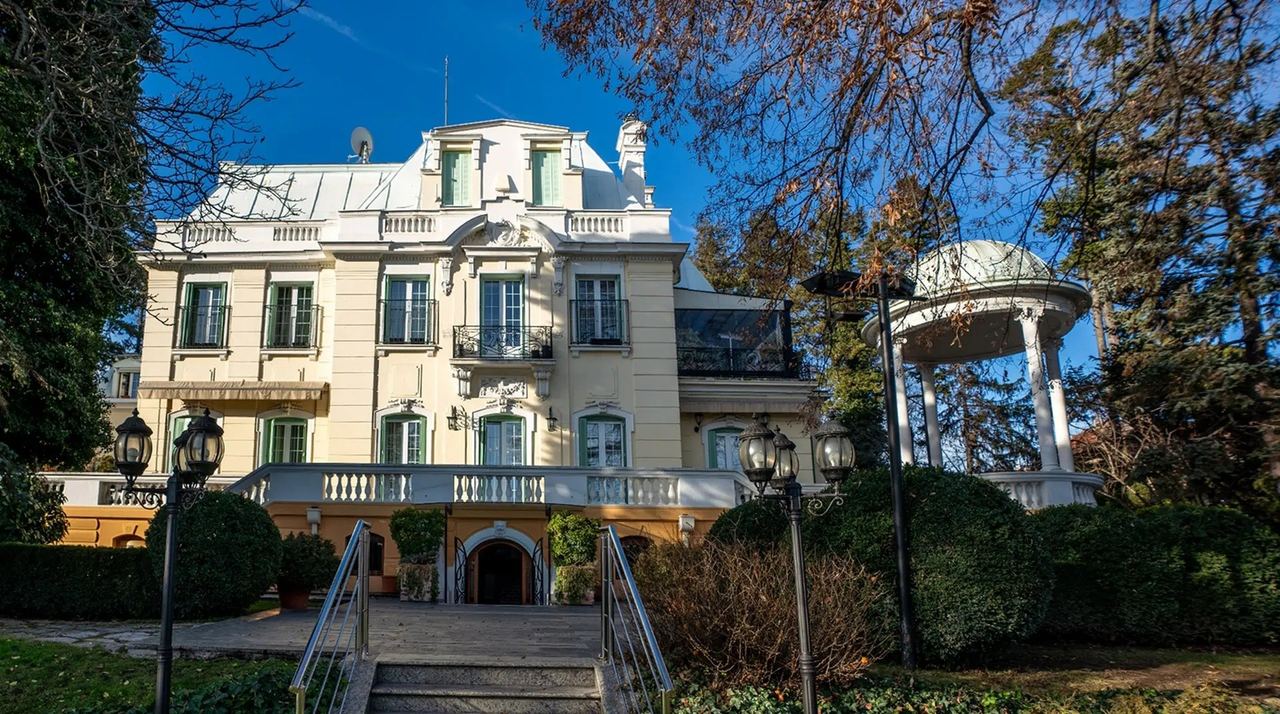 BUSINESS CLUB · FOUNDED 2002Serbian Business Club PrivrednikThe executives’ club, in a protected 1934 house at 27 Šekspirova Street.
 The back storySerbian CuisineĆevapi, sarma, kajmak, ajvar and rakija: the dishes of Serbia and where to taste them in Belgrade.
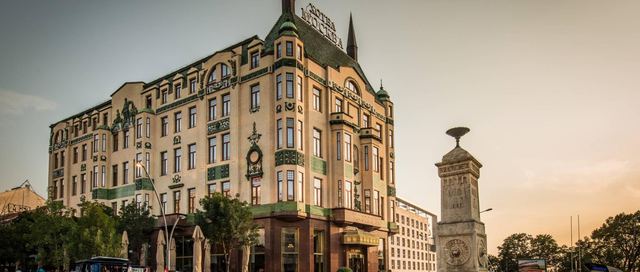 The back storyFrom the džezva to the flat white: Belgrade’s café culture, the back storyFive centuries of coffee in Belgrade: the first coffee house, the Moskva, the new roasters.