FOUNDATION · IN SERBIA SINCE 2004
SOS Children’s Villages Serbia (SOS Dečija sela Srbija)
Family and youth programmes, with a Belgrade youth centre and a children’s village in Kraljevo.
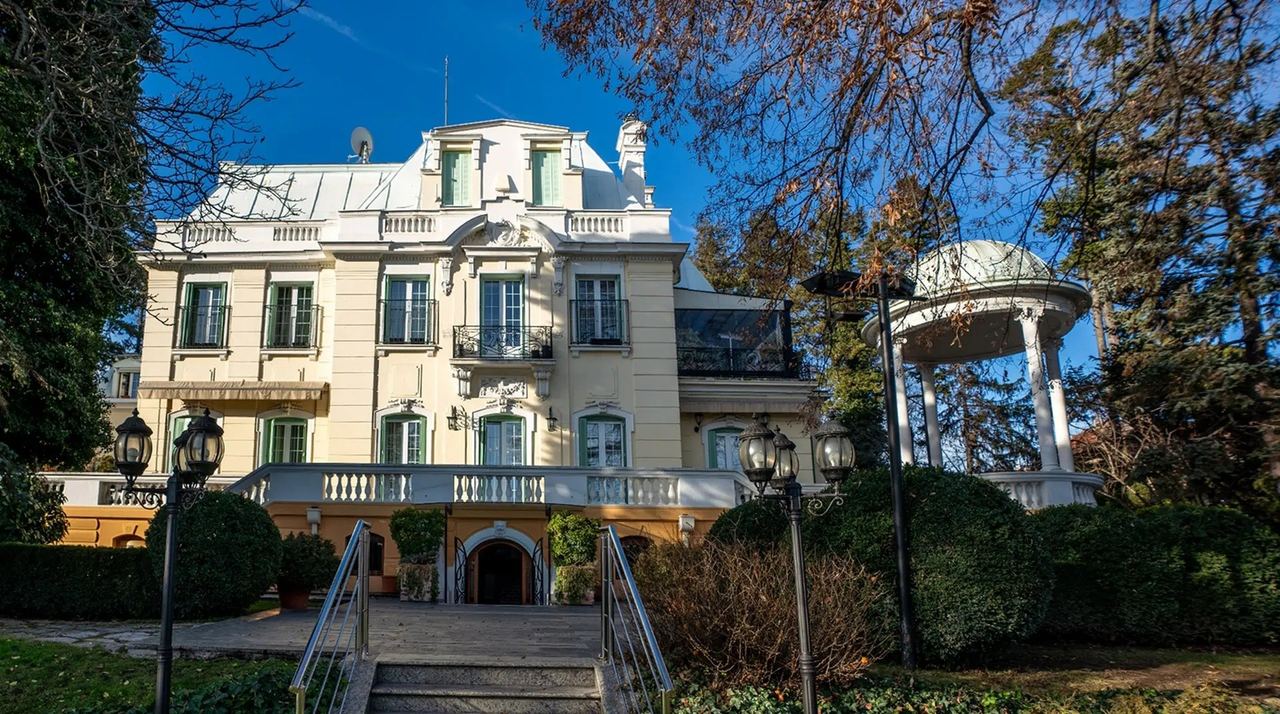
SOS Children’s Villages Serbia has worked in the country since 2004 and says it has supported more than 116,000 children, young people and families at risk. In Belgrade it runs family programmes in Obrenovac and Zemun and the “Jaki mladi” (Strong Youth) centre for young people aged 16 to 30. Its village in Kraljevo has been home since 2005 to 169 children and young people without parental care. SOS Children’s Villages Serbia accepts monthly and one-off donations from individuals (online or by bank payment), corporate donations and partnerships, and membership of its supporters’ club, the “Klub prijatelja”.
A simple vision
SOS Children’s Villages Serbia describes itself as a humanitarian organisation that has pursued its mission in Serbia since 2004. It is a member of the international federation of SOS Children’s Villages, and its vision fits on a postcard: no child should grow up alone, but in a home full of love. It says it has so far supported more than 116,000 children, young people and families at risk.
Much of its work is about keeping families together in the first place. Its programmes aim to strengthen families at risk, support economic independence and improve the quality of life of children, young people and families from vulnerable groups.
Keeping families together
Its family-strengthening programme, “Jačanje porodice”, works with families going through hard times before problems become separations. In Belgrade it runs in Obrenovac, where it began in 2014, and in Zemun, where it began in 2016. Since 2022 the programme has also run in Raška, Čačak and Trstenik, extending the same approach to towns far from the capital.
The organisation is particularly protective of brothers and sisters. Siblings, it points out, are often the longest relationship we have in life, and when a family is in crisis it is the children who most fear being separated. Its campaign “Da ostanu zajedno” (So that they stay together) makes the case for keeping them under one roof wherever possible.
Strong young people
In Belgrade it also runs the “Jaki mladi” (Strong Youth) centre. Since its founding in 2016 it has offered support to young people from vulnerable groups, particularly those who grew up in alternative care. Participants are aged 16 to 30 and come from across the city; the goal is their social and economic integration, through skills for independent life and help into work.
The organisation reports that 794 young people at risk received support towards independence and employment through the project. That number deserves a moment. Leaving care is a cliff edge in many countries, and a programme that walks young adults to their first job and their first rented flat is doing something that rarely makes headlines but changes lives.
Its vision fits on a postcard: no child should grow up alone, but in a home full of love.
The village in Kraljevo
Outside Belgrade, its children’s village in Kraljevo is the heart of its residential work. Since 2005, the organisation says, 169 children and young people without parental care from all over Serbia have found a loving home there. Today it supports the foster families living in the village with housing, education and help towards independence for the children they care for.
Kraljevo is also home to a support programme for mothers and babies and a day centre for children and young people with behavioural difficulties, along with a youth club and preventive work. Through the day centre, youth club and preventive work it has supported 297 children, young people and parents so far. The scale is modest; the attention to each child is not.
Beyond direct services, the organisation works on public advocacy, child protection and training for professionals who work with children and families. It publishes its statute, annual reports and auditor’s report on its website, along with its relevant policies and its notice on personal data. For a charity that asks to be trusted with children, that transparency is the right instinct.
The Kraljevo village and the Belgrade programmes share one idea: help should arrive early and stay long enough to matter. A family that keeps its children, or a young adult who keeps a first job, rarely makes the news. That, perhaps, is the best measure of a programme that works.
How to support it
SOS Children’s Villages Serbia accepts monthly and one-off donations from individuals, online by card or by bank payment, as well as corporate donations and partnerships. Regular supporters can join its friends’ club, the “Klub prijatelja”. Its Belgrade office is at Bulevar kralja Aleksandra 251 and can be reached on +381 11 3989 776.
Our advice: give through sos-decijasela.rs, where the payment details and the foundation’s statute and reports are published. A monthly gift, however small, is the form of support the organisation itself asks for most, because families and young people in difficulty need help that lasts longer than a visit.
At a glance
Address: Bulevar kralja Aleksandra 251, 11000 Belgrade
Website: sos-decijasela.rs
Telephone: +381 11 3989 776
Registration: Foundation registered in Serbia as Fondacija „SOS Dečija sela Srbija“ (statute and audit reports published on its website)
Why it's on our list
- Working in Serbia since 2004, a member of SOS Children’s Villages International
- Has supported more than 116,000 children, young people and families
- Belgrade’s “Jaki mladi” centre, founded in 2016, supports young people aged 16–30
Location
The map comes from Google Maps, which sets its own cookies once it loads.
More in depth
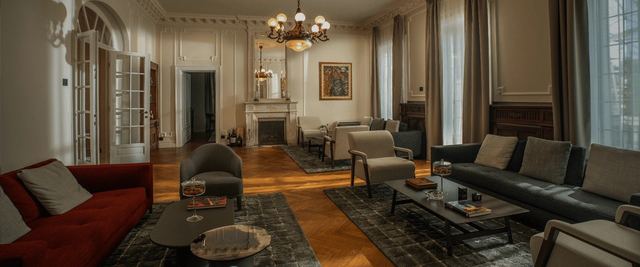 The long readThe weekly lunch that vanished: Belgrade’s clubs since 1928Rotary in 1928, an archive lost to two empires, and the business club in a 1934 house.BUSINESS CLUB · FOUNDED 2002Serbian Business Club PrivrednikThe executives’ club, in a protected 1934 house at 27 Šekspirova Street.ASSOCIATION · REG. NO. 6014434146 · FOUNDED 2003NURDOR – National Association of Parents of Children with CancerParents of children with cancer, running family houses near Belgrade’s hospitals since 2010.