Priča iz prošlosti
Beograd posle mraka: klubovi na reci, novi talas i tehno
From student cellars and the new wave to river clubs and a techno slaughterhouse: Belgrade by night.
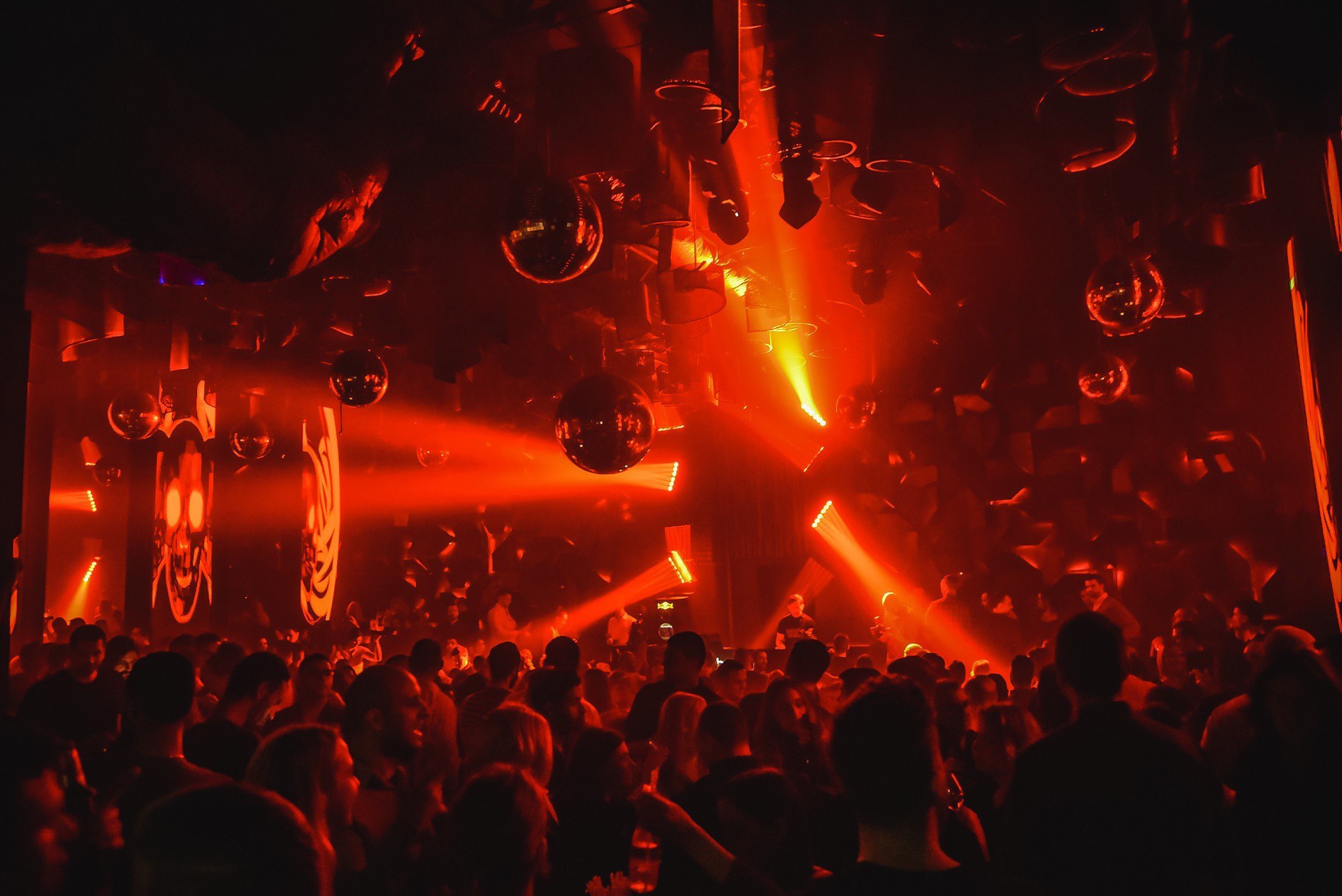
Fotografija
Image courtesy of © HypePriča o beogradskim noćima, od Doma omladine, KST-a i Studentskog kulturnog centra do novog talasa Idola, Šarla Akrobate i Električnog Orgazma, podruma Akademije, Industrije i tehno godina, splavova na Savi i klubova u koje grad izlazi danas.
Belgrade does not so much go out as set off, usually around midnight, and it has been practising for decades. Its nights were made in student clubs and cellars, in a gallery basement on Knez Mihailova and a boiler room under a university faculty, and above all on its two rivers. Follow the music for long enough and it nearly always ends up at the water.
Pre novog talasa: Dom omladine, KST i SKC
The groundwork was laid long before the 1980s. KST, the technical students’ club on Bulevar kralja Aleksandra, has run since the 1950s as a student club by day and a dance floor by night, with a garden stage that bands still play: proof that engineers always knew how to build a weekend. Dom omladine, the Belgrade Youth Centre, opened on Makedonska Street on 18 October 1964, and in the 1960s and 1970s it was the address for rock concerts and its disco club.
In 1971 the Student Cultural Centre, SKC, opened on Kralja Milana Street in the old Officers’ Club, and the officers’ rooms became a haven for avant-garde art and alternative music. Marina Abramović gave her first performances there in the 1970s. The same year SKC opened, the Belgrade Jazz Festival was founded at Dom omladine, and the discos followed: Cepelin by Tašmajdan from 1971 to 1980, and Akvarijus from 1972 to 1983.
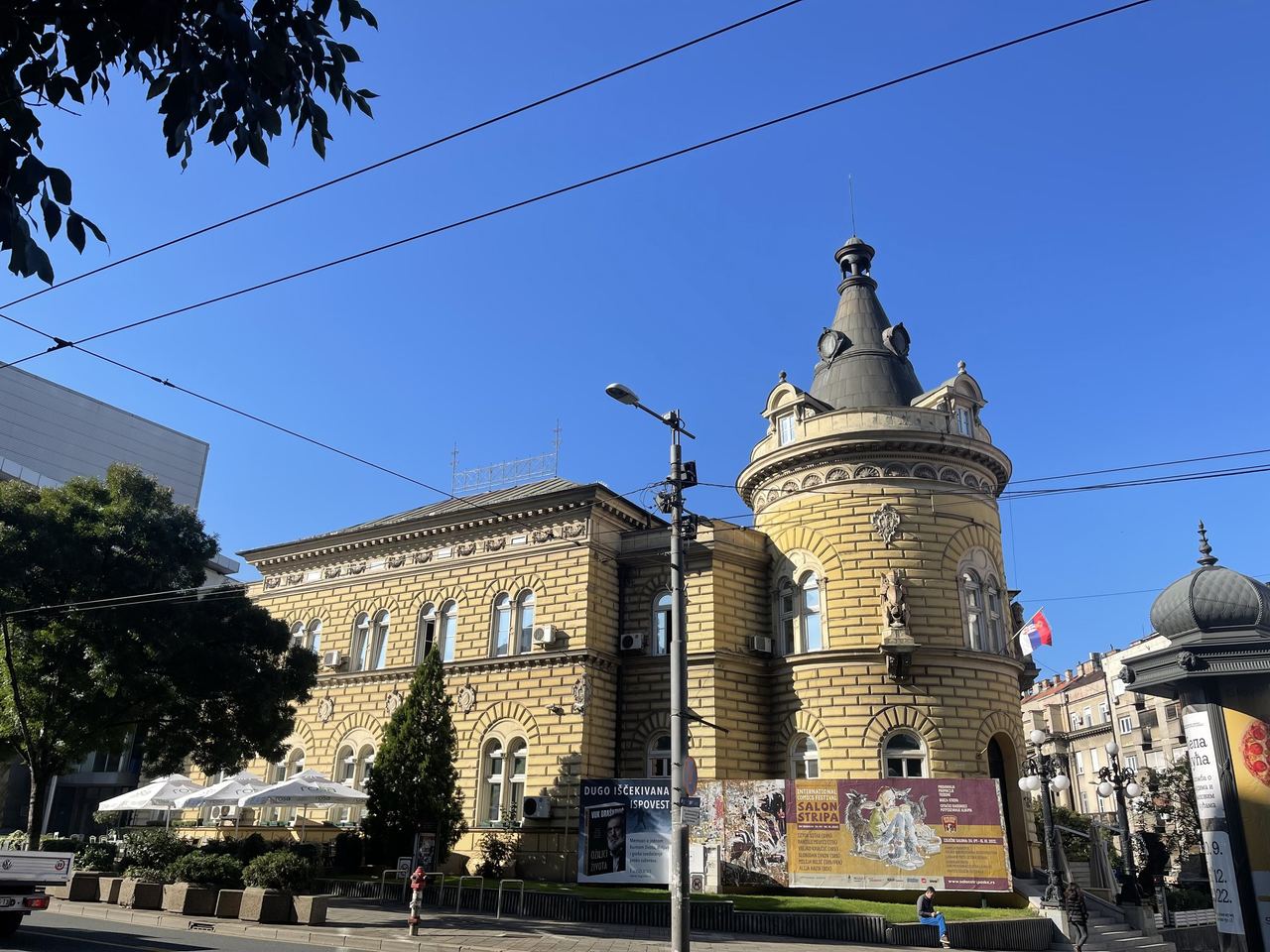
Fotografija
Fotografija: ljubaznošću © Aleks1212 · CC BY-SA 4.0 preko Wikimedia CommonsNovi talas: Idoli, Šarlo Akrobata i Električni Orgazam
At the end of the 1970s Belgrade found a sound of its own. The new wave, championed by the Belgrade magazine Džuboks, kept close company with conceptual art and pop art, and SKC was its stage. In June 1980 Šarlo Akrobata played a run of free concerts there that critics later saw as the heart of the ‘Belgrade alternative scene’. Rarely has a free ticket turned out to be such a sound investment.

Video
Video © Croatia Records · pušta se sa YouTubea, koji može postaviti sopstvene kolačiće kada počneOn 18 February 1981 Jugoton released Paket aranžman, ‘package holiday’, which introduced three Belgrade bands at once: Idoli, Šarlo Akrobata and Električni Orgazam. Recorded at Druga Maca in 1980, with a sleeve by Branko Gavrić, it was later voted the second-best Yugoslav rock album of all time, beaten only by Idoli’s own Odbrana i poslednji dani. Idoli’s video for Maljčiki borrowed the look of Soviet socialist realism, with a perfectly straight face.
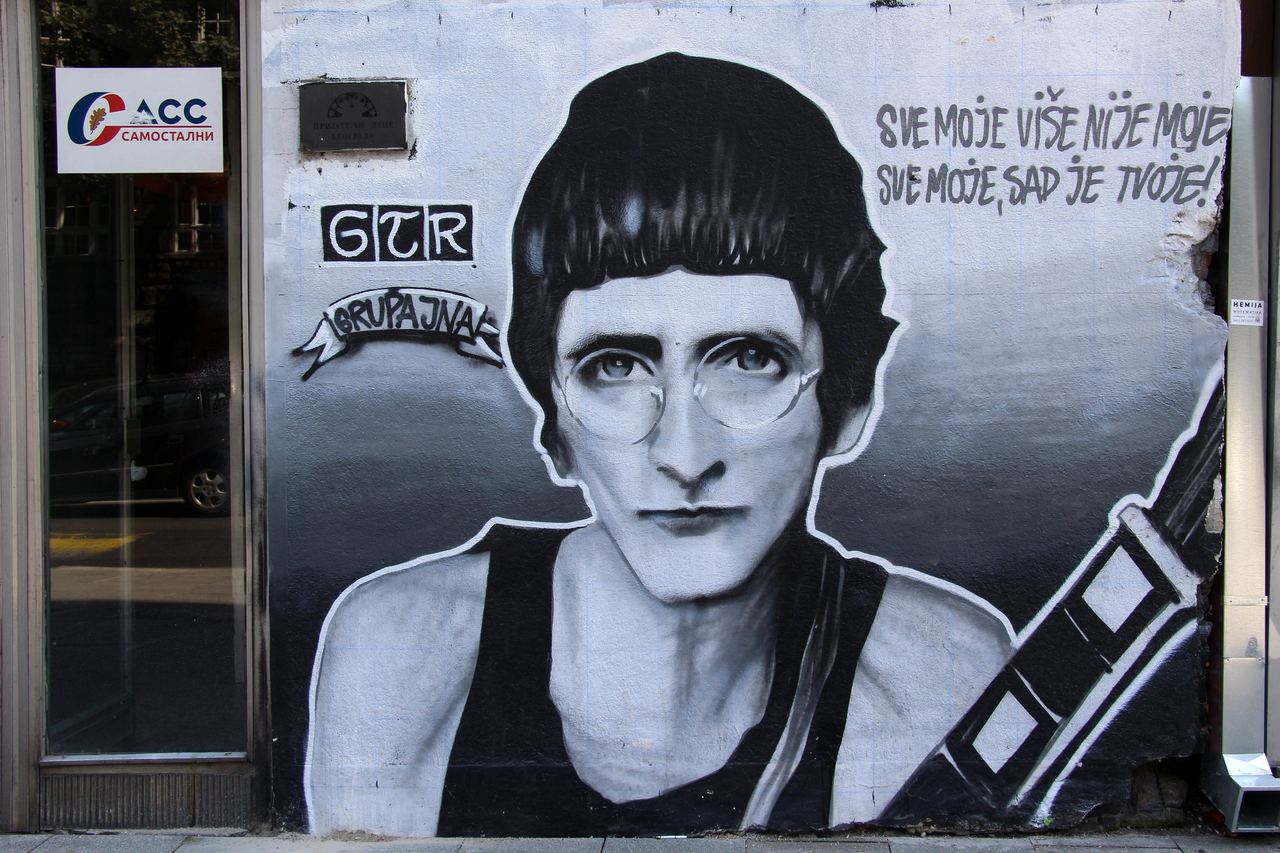
Fotografija
Fotografija: ljubaznošću © Fred Romero · CC BY 2.0 preko Wikimedia Commons
Video
Video © Croatia Records · pušta se sa YouTubea, koji može postaviti sopstvene kolačiće kada počneŠarlo Akrobata split in 1981, and the pieces proved as valuable as the whole. Its singer and guitarist Milan Mladenović formed Ekatarina Velika, first called Katarina II, and Dušan Kojić formed Disciplin A Kitschme. EKV became one of the great bands of Yugoslav rock, and in January 1987 it sold out six nights at Dom omladine. Mladenović died in Belgrade on 5 November 1994, aged 36; since 2011 the square outside Dom omladine has carried his name.
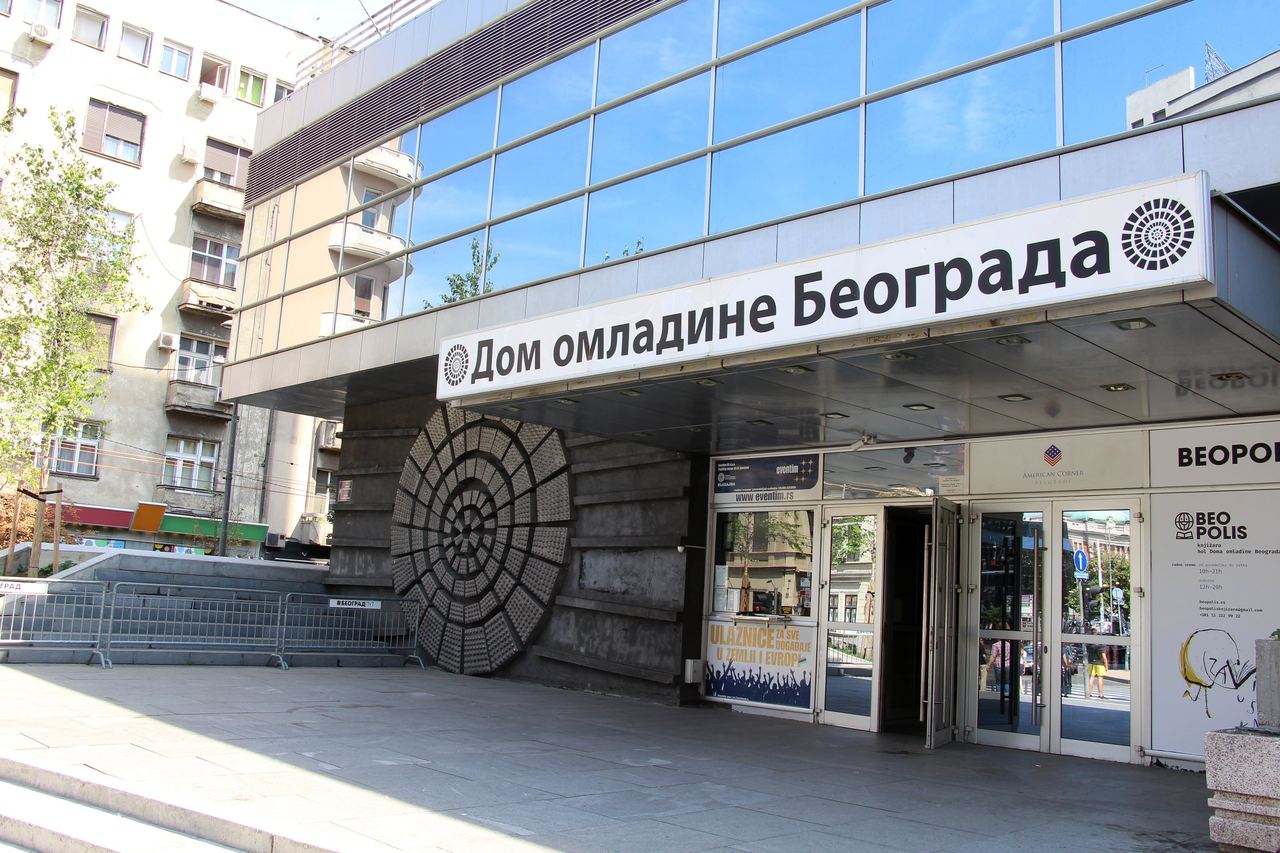
Fotografija
Fotografija: ljubaznošću © Fred Romero · CC BY 2.0 preko Wikimedia Commons
Video
Video © Ekatarina Velika · pušta se sa YouTubea, koji može postaviti sopstvene kolačiće kada počneAkademija, Industrija i tehno godine
At the end of 1981 a club opened in the basement of the Painting Academy’s gallery at Knez Mihailova 53, and Akademija became the cellar of the new wave: the first line-up of Ekatarina Velika played there, as did Električni Orgazam, Partibrejkers and Psihomodo Pop. It lasted three decades, a remarkable run for a basement, and closed in 2011. Zvezda opened across the street in 1983, and Zoran Modli was the decade’s best-loved DJ.

Video
Video © Električni Orgazam · pušta se sa YouTubea, koji može postaviti sopstvene kolačiće kada počneIn the 1990s, a hard decade, the night became a refuge and Belgrade turned to electronic music. Industrija opened in 1994 in the former boiler room of the Faculty of Philosophy on Vasina Street, so the heat simply changed format. Guests such as Moby, Mark EG and DJ Hell played alongside local names, among them Gordan Paunović, Vlada Eye, Mark Wee and Deki S.T.R.O.B.; the house and techno culture that grew there still shapes the city’s clubs.
Do 2021. na beogradskim rekama plutalo je više od 200 kafića, restorana i diskoteka.
The splavovi: a city that took its nights to the water
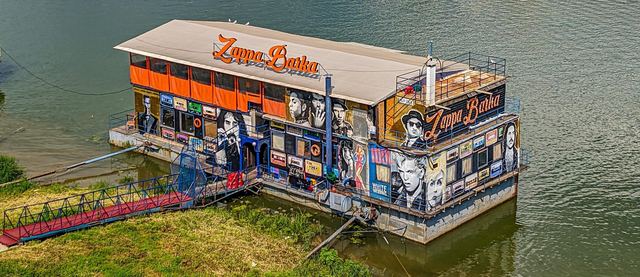
Splav simply means ‘raft’, and the river clubs began, as good nights often do, with dinner. Dijalog opened on a boat at Ušće in the late 1970s, and in 1983 Argument opened on Ada Ciganlija, the date chroniclers give for the birth of the splavovi; Hua Hua followed the same year. Savski Galeb opened on the Sava Quay in 1987, and in 1988 Pingvin became the first barge built as a disco rather than converted into one.
From the summer of 1996 the barges spread along the Sava to Staro Sajmište; by the 2010s they lined almost 15 km of river, and by 2021 more than 200 cafés, restaurants, kafanas and discos floated on the water. Then the riverbanks were redrawn: between 2024 and 2026 berths went out to tender and dozens of rafts were towed from the central Sava and Ušće. The splav did not sink. It moved, under stricter rules on noise and waste, and the dancing went with it.
Muzika uživo: od SKC-a do Bitef Art Cafea
The new wave’s stages are still at work. SKC on Kralja Milana keeps its ground-floor club and its first-floor hall for concerts, talks and exhibitions, and KST’s garden stage still hosts the bands of the student generation, most of whom were born long after Paket aranžman came out. For orchestral music, the Kolarac Endowment on Studentski trg is Belgrade’s classic concert hall.
Bitef Art Cafe, open since 2001 in a former church in Dorćol beside the Bitef Theatre, is built for live music, from cover bands at weekends to international jazz and soul; few congregations have sung along with such conviction. Smaller rooms come and go, but the pattern holds: Belgrade’s bands still start out in student clubs and cultural centres, as Idoli and Šarlo Akrobata did at SKC.
Beograd posle mraka danas
Today the city dances from the river to the old industrial quarters. Drugstore, often called Belgrade’s answer to Berlin’s Berghain, fills a former slaughterhouse in Palilula with all-night techno, the building having swapped one kind of hard graft for another. Barutana dances inside an 18th-century gunpowder store in the walls of Belgrade Fortress, which is at least an honest address for a sound system.
KC Grad, in an 1884 warehouse, and Mladost, with disco upstairs and deep tech in the basement, carry on the life of Savamala. On the Sava, river clubs such as Hype, Lasta and Club 20/44 keep the summer tradition going, and away from the decks Leila Records sells Yugoslav vinyl with a drink, for those who like their new wave on the original pressing.
Naš savet
Our advice: Belgrade goes out late, so few clubs fill up before midnight. The big river clubs are busiest on summer weekends, when a table booking is worth it, and they expect smart dress. Check each venue’s own website or Instagram for the night’s programme. Walk the history by day: Kralja Milana for SKC, Makedonska for Dom omladine and Knez Mihailova for the old Akademija.
Zašto je na našoj listi
- Dom omladine, KST i SKC
- Novi talas i Paket aranžman
- Akademija i Ekatarina Velika
- Industrija i tehno godine
- Splavovi
- Kuda sada
Lokacija
Mapa dolazi sa Google mapa, koje postavljaju sopstvene kolačiće kada se učitaju.
Još detaljnih tekstova
 Priča iz prošlostiBeogradski splavovi: šest decenija na reciŠest decenija plutajućih klubova: vikend splavovi, noći devedesetih, uklanjanja i šta sledi.
 Priča iz prošlostiBeogradski grand hoteli: priča iz prošlostiMoskva, filmske zvezde Metropola, Bristol i St. Regis: beogradski grand hoteli.
 Hotel iz MICHELIN vodičaThe St. Regis BelgradePrvi St. Regis u Srbiji, u podnožju uvijene Kule Beograd na Savi, otvoren 2024.